
Shrubs
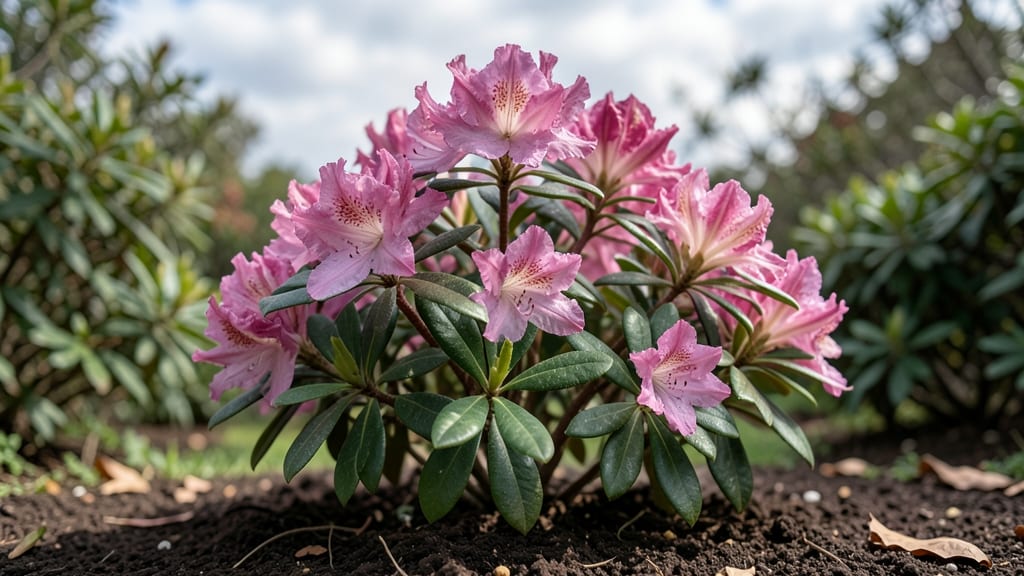
The care of azalea shrubs thrives when you prune them right after blooming—that’s when I learned the hard way my overzealous February cuts meant fewer flowers by spring. 🌸 The secret isn’t just timing but adjusting your approach based on your hardiness zone, because what works in the humid South can smother azaleas in dry climates.
Start with acidic soil (pH 4.5-6.0) and morning sun with afternoon shade—these plants hate scorching. Mulch with pine needles to mimic their natural forest floor habitat, and water deeply twice a week in summer, letting the top inch dry between soakings. Too much water?
Yellow leaves. Too little? Buds drop before opening. Your pruning should focus on shaping, not rejuvenation—cut back only dead or crossing branches by a third. Feed with azalea-specific fertilizer in early spring, and watch those blooms multiply. The payoff?
Shrubs that burst with color for 3-4 weeks every spring, year after year. Works for all azalea types—evergreen, deciduous, or hybrid—just adjust watering for your climate. Here’s how to keep yours looking like the showstopper they’re meant to be.
📚 In This Guide
- What you need
- Instructions
- Tips and common mistakes
- Wrapping up and next steps
What you need
- ● Azalea shrubs: Choose Rhododendron varieties suited to your USDA hardiness zone (e.g., Rhododendron 'Catawbiense' for Zones 5-9).
- ● Well-draining soil: Mix 2 parts peat moss or pine bark + 1 part perlite/sand + 1 part garden soil (pH 4.5–6.0).
- ● Organic mulch: 3–4 inches of pine straw, bark, or wood chips (keeps roots cool and moist).
- ● Pruning shears: Bypass pruners (sharp, clean, and sanitized with rubbing alcohol).
- ● Gloves: Heavy-duty gardening gloves (protects from thorns and sap).
- ● Watering can or hose: With a gentle spray nozzle (azaleas hate soggy roots!).
- ● Fertilizer: Acid-loving plant fertilizer (10-10-10 or rhododendron-specific, applied in early spring).
- ● Soil pH test kit: Ensures your soil stays in the ideal acidic range.
- ● Slow-release fertilizer spikes: For hassle-free nutrition over time.
- ● Drip irrigation system: Automates watering for consistent moisture.
- ● Plant support stakes: Useful for young or top-heavy azaleas.
- ● Anti-desiccant spray: Protects leaves in dry or windy climates.
Step-by-Step azalea shrub care for year-round health
Azaleas reward patience with vibrant blooms—here’s how to keep yours thriving through every season.
☀️ Step 1: Choose the Right Light and Soil Conditions
Azaleas love morning sun and afternoon shade, especially in hotter zones (6-9). Plant them where they get 4-6 hours of filtered sunlight daily—too much direct sun scorches leaves, while too little shade weakens blooms. I always test a spot by placing a white sheet over it for a week; if the area stays cooler than 80°F, it’s ideal.
These shrubs demand acidic, well-draining soil (pH 4.5-6.0). If your soil isn’t naturally acidic, mix in 2-3 inches of peat moss or pine bark fines into the planting hole. I also add a handful of sulfur granules to lower pH gradually. Avoid garden soil—it’s too alkaline and will stunt growth within months.
💧 Step 2: Water Deeply and Consistently
Water azaleas twice weekly during the first growing season, aiming for 1-1.5 inches of water per session. Let the top 2 inches of soil dry out between waterings—this prevents root rot but keeps them from wilting. I use a soaker hose to deliver water slowly at the base, avoiding wetting leaves (which attracts fungal diseases).
Mulch with 3 inches of pine bark or wood chips to retain moisture and mimic their natural forest-floor habitat. Refresh mulch annually in spring, but keep it 2 inches away from the trunk to prevent rot. Overwatering is the #1 killer—yellowing leaves usually mean you’re drowning the roots.
✂️ Step 3: Prune After Blooming (Never in Fall!)
Prune azaleas right after flowers fade, typically in late spring or early summer. This ensures next year’s buds form properly on new growth. Use clean, sharp pruners to cut back 1/3 of the oldest stems to the first set of leaves. Avoid cutting into old wood—it won’t regrow blooms.
Shape lightly by removing crossing branches or dead wood, but never shear into a formal shape—azaleas bloom on last year’s growth, and heavy pruning kills next year’s flowers. If you’re in Zone 7 or warmer, prune in June-July; in cooler zones (4-6), wait until August to avoid frost damage.
🌿 Step 4: Feed and Protect for Long-Term Growth
Fertilize in early spring with an acid-loving plant food (look for azalea/camellia blend). Follow package rates—over-fertilizing burns roots. I also mix in 1 tablespoon of Epsom salt per gallon of water monthly during bloom season for extra magnesium (it keeps leaves vibrant).
Watch for lace bugs or spider mites—common pests that suck sap, causing stippled leaves. Spray infested areas with neem oil (mix 1 tbsp per gallon of water) weekly until pests disappear. In winter, wrap young shrubs with burlap if temps drop below 10°F to prevent cold damage.
⏰ Step 5: Winter Prep for Zones 4-6
In colder zones, mulch heavily (4-6 inches) after the first frost to insulate roots. I also water deeply before ground freezes—this prevents dehydration from winter winds. Avoid pruning in fall, as new growth won’t harden off before winter. If your azalea loses leaves in winter, don’t panic—it’s normal for deciduous types.
Come spring, remove old mulch and replace with fresh. Check for winter burn (brown leaf edges) and trim damaged areas once new growth appears. Azaleas are tougher than they look—with this care, they’ll bloom for decades with minimal fuss.
Tips & tricks for perfect azalea shrub care
Here's what nobody tells you about keeping azaleas thriving year after year—these are the secrets I've learned after years of trial and error with my own garden.
Light Testing Trick: That white sheet test in Step 1 is genius, but here's the pro move: test multiple spots in your yard. Azaleas can be picky about light—what works for one might not for another. I mark potential spots with flags for a week before committing. Also, watch for afternoon shade that starts earlier than you think—those 4-6 hours of filtered light need to be consistent, not just theoretical.
Soil pH Rescue: If your soil test shows pH above 6.0, don't panic. You can lower it gradually by mixing in 2-3 inches of peat moss or pine bark fines AND adding a handful of sulfur granules to the planting hole. I've seen pH drop 0.5-1.0 points in just a few weeks this way. For existing azaleas, work sulfur into the top 6 inches of soil around the drip line in early spring. Just remember—this takes time, so be patient.
Watering Wisdom: Those twice-weekly waterings in Step 2 are critical, but timing matters just as much. Water in the early morning so leaves have all day to dry—this prevents fungal diseases that love damp foliage. And here's the thing about that 1-1.5 inches per session: use a rain gauge or tuna can to measure! My first attempts with "a good soak" were all over the place. Also, let the top 2 inches dry between waterings—stick your finger in the soil to check, don't guess.
Pruning Precision: When you're cutting back 1/3 of oldest stems in Step 3, look for stems that are thicker than a pencil and have no leaves. These are the ones that won't regrow flowers. I make my cuts just above a set of leaves where new buds will form. And here's a common mistake: don't cut into the center of the shrub—this creates a "donut hole" that never gets light. Always cut outward to maintain that natural vase shape.
Pro Tips for Azalea Shrub Care
- Here's what nobody tells you about keeping azaleas thriving year after year—these are the secrets I've learned after ...
- Light Testing Trick: That white sheet test in Step 1 is genius, but here's the pro move: test multiple spots in your ...
- Soil pH Rescue: If your soil test shows pH above 6.0, don't panic. You can lower it gradually by mixing in 2-3 inches...
Frequently asked questions
Got questions about keeping your azalea shrubs happy and blooming? Here are some of the most common ones—plus expert answers to help you troubleshoot and thrive!
When is the best time to prune azaleas?
Prune azaleas right after flowering (late spring to early summer) to avoid cutting off next year’s buds. Never prune in fall or winter—this can damage new growth. For Zone 7-9, aim for May-June; in Zones 4-6, wait until after frost risk has passed.
How much can I trim my azalea shrubs?
Remove no more than 1/3 of the plant’s growth per year to maintain health. Focus on shaping, thinning dense areas, and removing dead or crossing branches. Over-pruning can stress the shrub and reduce blooms. Pro tip: Use sharp, clean pruners to avoid tearing bark!
Why aren’t my azaleas blooming?
Lack of blooms often stems from over-fertilizing with high-nitrogen food, improper pruning timing, or insufficient sunlight (they need partial shade). Ensure they get acidic soil (pH 4.5-6.0) and feed with a low-nitrogen, high-phosphorus fertilizer in early spring.
Can I grow azaleas in containers?
Yes! Dwarf varieties like ‘Girard’s Pink’ or ‘Dwarf Southern Indica’ thrive in containers. Use a well-draining, acidic potting mix and a pot with drainage holes. Repot every 2-3 years and water consistently—containers dry out faster than garden beds.
How do I protect azaleas from pests?
Watch for azalea lace bugs, spider mites, or scale insects, which suck plant juices. Treat early with neem oil or insecticidal soap. For severe infestations, use a systemic insecticide. Prevention tip: Keep shrubs healthy with proper watering and mulching to deter pests!
Are there azalea alternatives for full-sun areas?
If your site gets full sun (6+ hours/day), try camellias (more shade-tolerant) or hydrangeas (some varieties handle sun). For heat-tolerant blooms, consider abutilon (flowering maple) or butterfly bush—both thrive in sunnier spots!
Wrapping up and next steps
Caring for your azalea shrub is all about patience, precision, and love—just like nurturing a prized garden treasure! 🌸 With the right zone-specific pruning, proper soil prep, and a little seasonal TLC, you’ll be rewarded with stunning blooms year after year.
Remember, each trim and feed is a step toward a healthier, more vibrant plant.
Now that you’re armed with expert tips, roll up your sleeves and get pruning! Start small, observe your shrub’s response, and adjust as needed. Happy gardening—your azaleas will thank you with a show-stopping display! 🌿✨