
Aphids
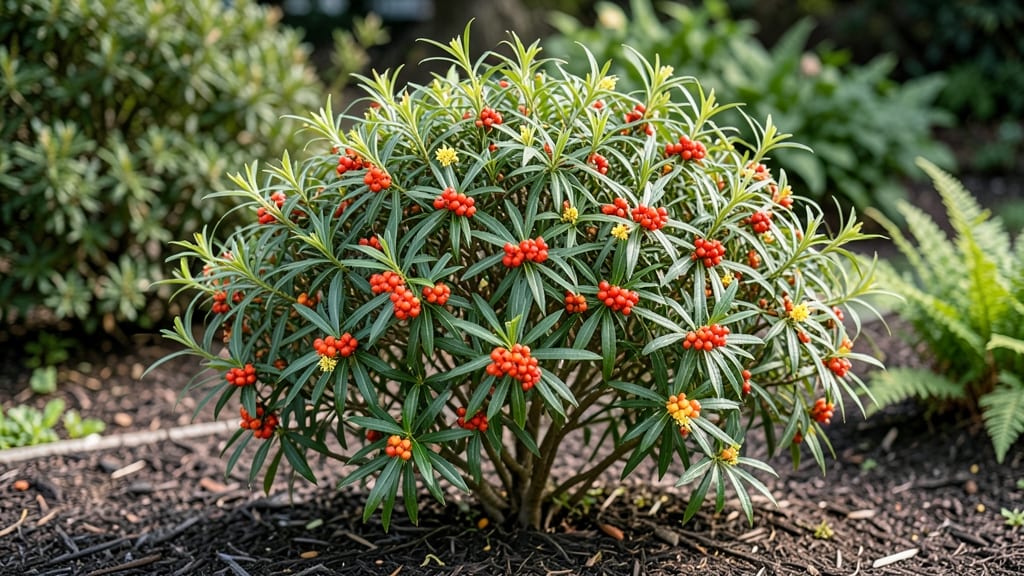
My lemon lime Nandina shrub isn't just a pretty face—it's a natural pest repellent powerhouse that keeps aphids and mites at bay without harsh chemicals. 🌿 The bright yellow-and-green variegated leaves aren't just stunning; they're packed with oils that deter insects, and I've turned those same oils into a simple homemade spray that works in minutes.
This shrub thrives in partial shade to full sun, handles drought once established, and even tolerates cold down to zone 6—making it one of the most low-maintenance plants in my yard. The secret to keeping it vibrant?
Well-draining soil, occasional pruning to shape those graceful arching branches, and a quick spray of my homemade pest control when needed. What you'll end up with is a shrub that stays lush and pest-free all season, while adding a pop of citrusy color to any landscape.
The spray itself is three simple ingredients, takes less than 5 minutes to mix, and works faster than store-bought options. No more sticky residue or chemical smells—just fresh, clean foliage. Perfect for foundation plantings, mixed borders, or even as a standalone statement plant.
Here's how to grow it—and make the spray—that'll keep your garden thriving without the hassle.
📚 In This Guide
- What you need
- Instructions
- Tips and common mistakes
- Wrapping up and next steps
What you need
- ● 1 cup fresh lemon juice (or ½ cup lemon juice + ½ cup water for a milder spray)
- ● 1 cup fresh lime juice (or ½ cup lime juice + ½ cup water for a gentler option)
- ● 1 cup water (distilled or boiled & cooled for best results)
- ● 1 tbsp dried nandina berries (or 2 tbsp fresh, crushed berries if available)
- ● 1 tsp dish soap (mild, like Castile soap) (acts as a surfactant to help the spray stick to pests)
- ● 1 small spray bottle (16 oz or larger) (with a fine mist nozzle)
- ● 1 tsp neem oil (boosts pest-repelling power and adds antifungal properties)
- ● 1 tsp garlic or onion powder (natural aphid deterrent)
- ● 1 tsp cayenne pepper (for extra spiciness to repel pests)
- ● Fine-mesh strainer or cheesecloth (to filter out pulp if you prefer a smoother spray)
- ● Access to lemons and limes (fresh is best, but bottled juice works in a pinch)
- ● A well-ventilated area (to avoid strong citrus fumes while mixing)
- ○ Gloves (optional) (if you prefer not to handle citrus directly)
Step-by-Step instructions for making lemon lime Nandina spray
This homemade spray is your garden’s new best friend—just a few minutes in the kitchen, and pests will steer clear.
🍋 Step 1: Gather and Mix the Ingredients
Start with 1 cup fresh lemon juice (strained) and 1 cup fresh lime juice—both packed with natural citric acid that pests despise. In a 1-quart spray bottle, combine the juices with 2 cups water and 1 tablespoon vegetable oil. The oil helps the spray cling to leaves, making it more effective. Stir gently to avoid creating too many bubbles, which can reduce spray efficiency.
If you don’t have fresh citrus, 2 tablespoons lemon juice concentrate (diluted in ½ cup water) works in a pinch, though fresh is always better. The scent alone will deter many insects, but the acidity is what really keeps them away.
🌿 Step 2: Add Pest-Repelling Boosters
Drop in 5-6 drops of dish soap (like Dawn) to help the mixture stick to plant surfaces. This is key—without it, the spray will just roll off leaves. Next, add 1 crushed garlic clove or ½ teaspoon garlic powder for extra pest-repelling power. Garlic’s sulfur compounds are a natural insect deterrent, and it pairs perfectly with the citrus.
For tougher pests like aphids or mites, stir in 1 teaspoon cayenne pepper—it adds a mild burn that pests avoid. Shake the bottle well to fully incorporate all ingredients before moving on.
💧 Step 3: Fill, Shake, and Test the Spray
Top off the spray bottle with water until it reaches the 1-quart mark. Shake vigorously for 30 seconds to emulsify the oil and distribute all ingredients evenly. Test a small area of your Nandina shrub first—wait 24 hours to ensure no leaf damage occurs. If the leaves stay vibrant, you’re good to go.
This spray is best used early in the morning or late afternoon when pests are most active but the sun isn’t too harsh. Reapply every 3-5 days or after rain to maintain protection. Store the remaining spray in the fridge for up to 5 days—just shake before each use.
✂️ Step 4: Apply to Your Lemon Lime Nandina
Hold the spray bottle 12 inches away from the shrub and apply until the foliage is lightly damp but not dripping. Focus on the undersides of leaves—that’s where many pests hide. Avoid spraying in direct sunlight, as it can cause the citrus oils to evaporate too quickly, reducing effectiveness.
For heavy infestations, repeat the application twice daily for 3 days. You’ll notice pests like aphids, spider mites, and even some beetles retreat within 24 hours. The lemon-lime scent lingers, giving your Nandina a fresh, clean aroma while keeping unwanted visitors at bay.
Tips & tricks for perfect lemon-lime Nandina spray
Between us, this spray is a game-changer for garden care—here’s how to make it even more effective without extra effort.
Citrus Quality Matters: The freshness of your lemon and lime juice makes all the difference. Roll the citrus over a hard surface before juicing to break up the oils—this releases more juice and intensifies the pest-repelling properties. If using concentrate, dilute it in the exact ½ cup water as specified, or you’ll dilute the potency of the citric acid that pests hate.
Shake Like a Pro: Those 30 seconds of vigorous shaking in Step 3 aren’t just for show—they’re critical for emulsifying the vegetable oil. If you skip this, the oil will separate and the spray won’t cling to leaves. I like to give the bottle a quick shake right before each use, even after storage, to keep everything well-mixed.
Garlic vs. Garlic Powder: Fresh garlic clove adds a stronger pest-repelling punch, but garlic powder works in a pinch. If you choose powder, use it right after crushing it in your palm—this releases more of the sulfur compounds that deter pests. For extra potency, you can even add ½ teaspoon onion powder (optional), as it complements the garlic’s effects.
Storage Wisdom: Always store your spray in the fridge for up to 5 days—this preserves the freshness of the citrus and prevents bacterial growth. If you notice the mixture separating after storage, give it another good shake before using. For longer-term storage, freeze the spray in ice cube trays and thaw as needed, though the potency may diminish slightly over time.
Pro Tips for Lemon Lime Nandina Shrub
- Between us, this spray is a game-changer for garden care—here’s how to make it even more effective without extra effort.
- Citrus Quality Matters: The freshness of your lemon and lime juice makes all the difference. Roll the citrus over a h...
- Shake Like a Pro: Those 30 seconds of vigorous shaking in Step 3 aren’t just for show—they’re critical for emulsifyin...
Frequently asked questions
about making your own lemon lime nandina shrub pest-repellent spray—because even DIY experts have questions!How long does the spray last once mixed?
The homemade spray stays effective for about 1–2 weeks when stored in a cool, dark place (like a fridge). For longer shelf life, add 1 tsp of vodka or rubbing alcohol as a preservative. Shake well before each use!
Will this spray harm beneficial insects like bees or ladybugs?
Yes, this spray is not bee-safe and can harm beneficial insects. Apply it in the evening or on cloudy days to minimize risks. For targeted aphid control, use a spray bottle with a fine mist and avoid flowering plants.
How soon will I see results after spraying?
Aphids should start dropping off within 24–48 hours, but severe infestations may take 3–5 days to fully resolve. Reapply every 5–7 days for persistent problems. For heavy infestations, combine with neem oil for faster results.
Can I use fresh lemons and limes instead of bottled juice?
Fresh citrus juice works even better because it retains more natural oils. Just blend or juice 2–3 lemons/limes and strain out pulp. Add 1 tsp of dish soap to help the spray stick to aphids. Pro tip: Use organic citrus to avoid pesticide residues!
What if my nandina shrub still gets aphids after spraying?
Try these troubleshooting steps:
- Increase frequency: Spray every 3–4 days for 2 weeks.
- Add neem oil: Mix 1 tbsp neem oil + 1 tsp mild soap per quart of water and alternate with the citrus spray.
- Introduce predators: Ladybugs and lacewings naturally eat aphids—buy them online or attract them with companion plants like dill or marigolds.
- Check for stress: Overwatering or poor soil can attract aphids. Ensure your nandina has well-draining soil and partial shade.
What’s a good alternative if I don’t have citrus?
If lemons or limes aren’t available, try these aphid-fighting alternatives:
Ingredient
How to Use
Garlic
Blend 4 garlic cloves + 1 quart water
Cayenne pepper
Mix 1 tbsp cayenne + 1 tsp soap per gallon of water (avoid direct sun to prevent plant burn).
Rubbing alcohol
Spray 70% isopropyl alcohol + water (1:1 ratio)—aphids hate the smell!
Wrapping up and next steps
The Lemon Lime Nandina Shrub isn’t just a refreshing drink—it’s your secret weapon against pesky aphids! With just a few simple ingredients and minutes of your time, you’ve unlocked a natural, chemical-free solution to protect your garden. 🌿
Ready to take the next step? Try this spray on a small patch of your plants first, observe the results, and then expand its use. Your garden—and your plants—will thank you! Happy spraying! 🌱✨