
It started with one plant that kept failing
It was a *Salvia officinalis*—common sage—and it should have been easy. The nursery swore the cuttings would root in three weeks, but they didn’t.
Not in the sterile mix I’d bought, not in the damp paper towels I’d folded into a tent, not even after I’d begged my neighbor for a chunk of her compost heap. The stems just sat there, stubborn and green, while the roots refused to show.
The first batch of cuttings rotted in the pot. The second batch wilted before they ever touched soil. The third batch I kept in the bathroom, where the humidity was high, but the leaves turned yellow anyway.
I checked the pH of the water, adjusted the light, even tried a rooting hormone—nothing worked. Every time I thought I’d cracked it, the plant would give up.
It was late spring in Ohio, and the garden was full of things growing—tomatoes climbing the trellis, marigolds spilling over the edges of the beds—but that sage refused to play along.
My grandfather, who’d taught me to pinch back basil and prune roses, just shook his head and said, *‘Some plants don’t want to be told what to do.’* I didn’t believe him. I kept trying.
Nine tries before it worked
The fourth attempt was worse. I’d read that sage needed *less* water, so I dried out the cutting completely, and it shriveled into a brittle stick. The fifth time, I switched to a different pot—one with drainage holes—but the roots still wouldn’t form.
By the seventh try, I’d given up on cuttings entirely and bought a full-grown plant, only to watch its leaves curl at the edges within days.
Then, on the ninth try, I did something stupid: I ignored all the rules. I didn’t use a special mix, a heat mat, or even a propagator. I took a single cutting, stuck it in a glass of tap water on my windowsill, and left it alone.
No hormone, no humidity dome, no fuss. Three weeks later, when I finally looked, there were roots—thin, pale, but *there*.
The plant grew. Not fast, not dramatically, but steadily. And that’s when I realised the mistake: I’d been treating gardening like a science experiment, when really, it’s more like conversation. Some plants need coddling; others just need patience.
That sage taught me that the most reliable method isn’t always the most complicated one.
The mind behind these pages
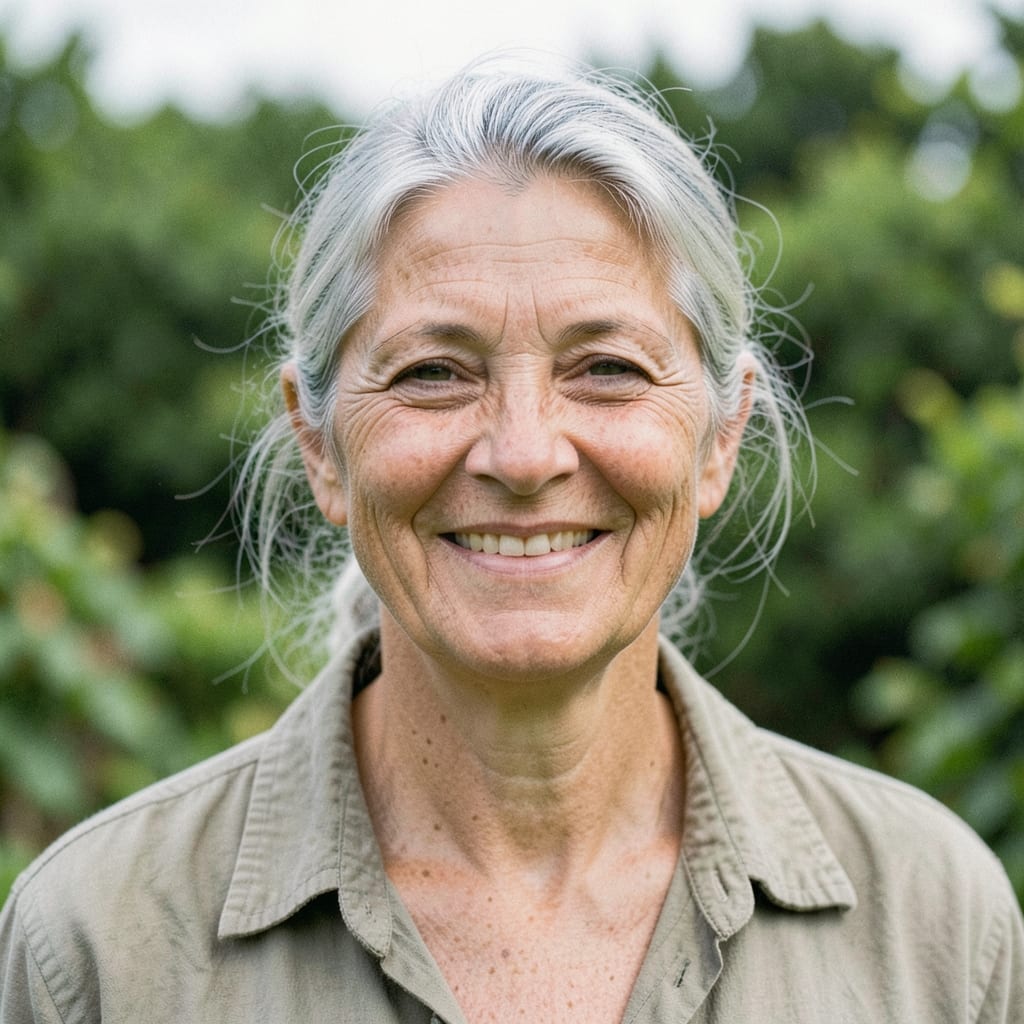
I’m Sylvia Quintero, and I’m the one who kept trying with that sage. Here, I write about the quiet, stubborn work of gardening—the kind that doesn’t come with guarantees, just lessons. My grandfather’s garden was where I learned that plants don’t just grow; they *listen*.
And if you’re willing to do the same, you’ll grow things too.
I’m the kind of person who replants a seed three times before admitting it won’t sprout. My hands get dirty easily—whether I’m digging in soil or troubleshooting a problem—and I’ve learned the hard way that rushing a plant (or a page) only makes it worse.
My grandfather was the first to notice I had a habit of fixing things until they worked, even when they shouldn’t have.
I don’t garden for perfection. I garden for the way a tomato vine twists toward the sun, or how mint spreads without asking. There’s no recipe for that.
Everything here is written the way that sage grew—slow, messy, and alive.
Everything here is written the way that was
This site doesn’t offer foolproof steps or instant results. Instead, it’s built on the idea that gardening—like writing about it—is a process of trial, error, and quiet persistence. Every guide here has been tested at least twice, sometimes three times, before it’s published.
The soil mix, the pruning schedule, the way a seedling reacts to light—none of it is assumed to be perfect on the first try.
I keep notes while I work: the dates I planted, the weather that day, the exact shade of green a leaf turned before it died. Some of those notes end up on the page; others stay in a notebook, just in case.
Months later, when I revisit a post, I’ll adjust it based on what I’ve learned since—because gardening, like growing a plant, never really stops changing.
That sage taught me that the most useful advice isn’t the kind that promises success. It’s the kind that says, *‘This is how I failed, and this is how I fixed it.’* That’s what you’ll find here.
What that means for you
You won’t find perfect timelines or guaranteed outcomes here. What you *will* find are the real questions, the honest mistakes, and the small victories that come from paying attention. If you’ve ever wondered whether you could grow something—even if it’s just a single stubborn cutting—this is the place to start.
There’s no ‘right’ way to garden, just the way that works for you. And if you ever hit a wall (or a wilted leaf), you’re not alone.
The best lessons come from other people’s gardens. Share your own failures—or the plants that surprised you—and I’ll add them to the next guide. What’s the one thing you’ve struggled with? What finally worked?
The guides are grouped by category: Advice, Aphids, Blooming, Companion Plants, Container Gardens and Diseases.