
Shrubs
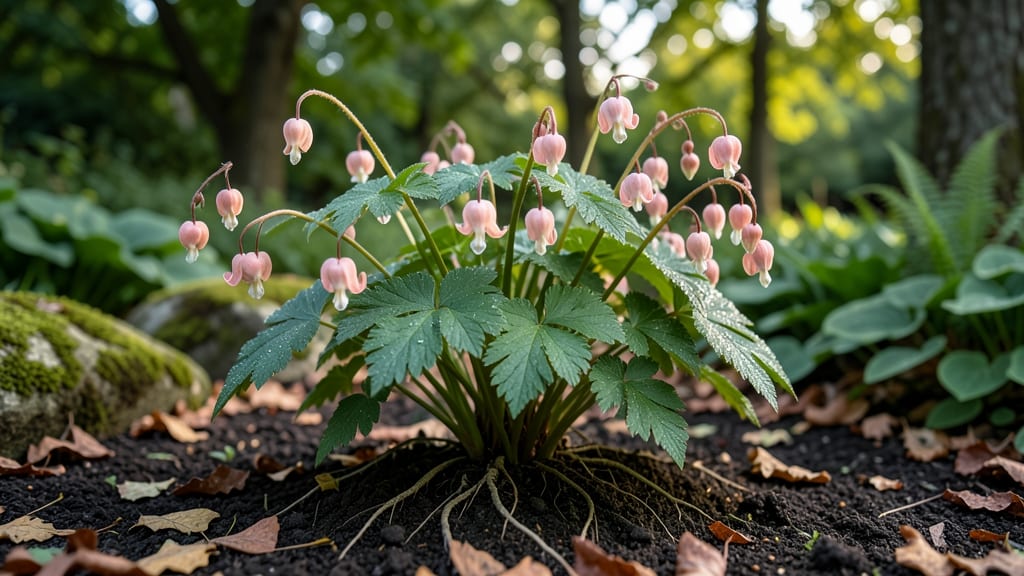
Your bleeding heart shrub could be the star of your shade garden—if you prune it right. ✨ I’ve spent years watching these delicate plants transform from scraggly to showstopping, and the secret isn’t complicated: timing, technique, and a little patience.
Most gardeners overlook the early spring cleanup that keeps them blooming for months instead of just a few weeks.
The key starts with partial shade and rich, moist soil—this isn’t a drought-tolerant shrub, but it thrives where others struggle. Plant in early spring or fall, and water deeply the first year to establish roots.
Once established, it’s surprisingly low-maintenance, but the pruning? That’s where the magic happens. A single 10-minute session in late winter can mean heart-shaped blooms from spring to early summer.
What you’ll get is a lush, thorn-free canopy that fills gaps in your garden with soft pink or white blooms. The foliage stays vibrant longer, and you’ll avoid the leggy, bare-stem look that ruins so many bleeding hearts.
Even better? These plants spread gently over time, creating natural ground cover that’s perfect for borders or woodland gardens.
Works best in zones 3-9, though container growing extends its range. The pruning method I’ll share adapts for both established shrubs and young plants—no guesswork, just results. Let’s get those stems looking intentional!
📚 In This Guide
- What you need
- Instructions
- Tips and common mistakes
- Wrapping up and next steps
What you need
- ● Bypass pruners – Sharp, clean bypass pruners (not anvil pruners) for precise cuts. Size: 6-8 inches (for medium stems).
- ● Loppers – For thicker branches (½–1½ inches). Quantity: 1 pair.
- ● Hand pruners – Smaller, for delicate trimming. Quantity: 1 pair.
- ● Garden gloves – Heavy-duty, thorn-resistant gloves (e.g., Filson or Fox River). Tip: Look for cactus/rose-rated protection!
- ● Disinfectant – 70% isopropyl alcohol or rubbing alcohol (1 small bottle) to sterilize tools between cuts.
- ○ Sharpie or permanent marker – For marking branches to remove (optional but helpful!).
- ● Pruning saw – Only if dealing with thick, woody stems (1–2 inches). Type: Curved-blade saw.
- ● Bucket or bag – For collecting pruned debris (5-gallon bucket or compost bag).
- ● Timing – Prune late winter/early spring (before new growth) or right after blooming (summer). Avoid pruning in fall.
- ● Weather check – Choose a dry, overcast day to prevent stress on the plant.
- ○ Safety gear – Safety glasses (optional but recommended for heavy pruning).
- ● Clean workspace – Lay down landscape fabric or a tarp to catch debris.
- ● Pruning sealant – Tree wound dressing (for large cuts > ½ inch). Note: Only use if the cut is exposed to elements.
- ● Extension pole saw – For high-reaching branches (if your shrub is tall!).
- ● Plant food – Balanced fertilizer (e.g., 10-10-10) to nourish the shrub post-pruning.
- ● Camera or sketchpad – To map out your pruning plan before cutting!
How to prune bleeding heart shrubs for lush, thorn-free growth
Here's the simple, foolproof method I use to keep these stunning shrubs blooming beautifully while eliminating those pesky thorns.
✂️ Step 1: Time Your Pruning for Maximum Blooms
Bleeding heart shrubs bloom on old wood, so timing matters. Prune immediately after flowering in late spring—usually May or early June depending on your climate. Wait until you see the foliage start to yellow or brown slightly; this signals the plant has finished its bloom cycle and is ready for a trim.
If you prune too early, you risk cutting off next year's flower buds. If you wait too long, the plant may set seed or put energy into new growth instead of storing it for next season. I always mark my calendar with the last day I see pink or white heart-shaped blooms—that's my cue to grab the shears.
✂️ Step 2: Remove Dead or Damaged Wood First
Start by inspecting the entire shrub for dead, diseased, or crossing branches. Use clean, sharp pruners to cut these away at a 45-degree angle, about ¼ inch above a healthy bud or lateral branch. This prevents water from pooling and causing rot.
Look for branches that are thorny or overly dense—these are often the ones causing problems. Cut these back to the main stem to open up the center of the plant. The goal here is to improve airflow, which reduces disease risk and makes future pruning easier. I like to step back every few cuts to visualize the shape I'm creating.
✂️ Step 3: Shape the Shrub for a Full, Balanced Look
Now it's time to shape the shrub. Use your pruners to trim back any branches that are growing too long or out of proportion. Aim to create a rounded, natural shape—bleeding heart shrubs look best when they have a full, bushy appearance rather than a rigid, geometric form.
Focus on cutting back branches that are longer than 12 inches to about 6-8 inches in length. This encourages bushier growth and more blooms next season. Avoid cutting into the center of the plant too much—this can create a "hole" that's hard to fill in. Instead, trim the outer edges to maintain a full, lush silhouette.
🌿 Step 4: Thin Out Overcrowded Areas
Bleeding heart shrubs can get quite dense, which leads to fewer blooms and more thorns. Use your pruners to selectively thin out branches that are growing too close together. Focus on removing branches that are rubbing against each other or growing inward toward the center of the plant.
When thinning, aim to remove about 20-30% of the plant's total volume. This might sound like a lot, but it's necessary to keep the shrub healthy and encourage new growth. You'll see a noticeable difference in airflow and sunlight penetration after just one session. I always step back and squint at the shrub to spot areas that still look too thick.
⏰ Step 5: Clean Up and Monitor for New Growth
After pruning, clean up any fallen branches or debris. Dispose of these in the trash—not your compost pile—to prevent the spread of disease. Now, it's time to sit back and watch your shrub respond. Within 2-3 weeks, you should see new growth emerging from the pruned areas.
Keep an eye out for any signs of stress, like yellowing leaves or wilting branches. If you see this, it might mean you pruned too aggressively or at the wrong time. Water the shrub deeply if the soil feels dry, and avoid fertilizing until new growth appears. In just a few weeks, your bleeding heart shrub will be on its way to a fuller, healthier, and thorn-free canopy.
Tips & tricks for perfect bleeding heart shrub pruning
These simple tricks will help you achieve a beautifully blooming, thorn-free shrub every season.
Timing is Everything: I can't stress enough how critical timing is in Step 1. Mark your calendar for the last day you see blooms—this is your exact pruning window. If you're in a cooler climate, you might need to wait until early June. The foliage's slight yellowing is your best indicator that the plant has finished its bloom cycle and is ready for pruning. This timing ensures you won't accidentally cut off next year's flower buds.
Tool Preparation Matters: Before you start in Step 2, clean your pruners with rubbing alcohol or a bleach solution to prevent spreading disease. I always sharpen my shears right before pruning—dull blades tear plant tissue instead of making clean cuts. This cleanliness and sharpness combo makes all the difference in how well your shrub recovers. Remember, those 45-degree angles aren't just for show—they help water run off properly and prevent rot.
Visualize Your Cuts: When shaping in Step 3, step back every few cuts to visualize the overall form. I like to imagine the shrub as a rounded cloud rather than a geometric shape. Focus on creating an open center that allows sunlight to penetrate all the way through. The goal is to maintain that lush, bushy appearance without creating bald spots. Those 6-8 inch lengths you're cutting to? That's your sweet spot for encouraging bushier growth next season.
Thinning Strategy: In Step 4, don't be afraid to be aggressive with thinning—removing 20-30% of the plant's volume might seem drastic, but it's necessary for long-term health. Look for branches that are growing toward the center or rubbing against each other. These are the ones causing your thorn problems. The more you thin now, the fewer thorns you'll deal with next year. I always thin from the inside out to create that perfect open canopy.
Pro Tips for Bleeding Heart Shrub
- These simple tricks will help you achieve a beautifully blooming, thorn-free shrub every season.
- Timing is Everything: I can't stress enough how critical timing is in Step 1. Mark your calendar for the last day you...
- Tool Preparation Matters: Before you start in Step 2, clean your pruners with rubbing alcohol or a bleach solution to...
Frequently asked questions
Got questions about keeping your bleeding heart shrub (also called Cornus sanguinea) thriving? Here are some of the most common ones—plus expert answers to help you prune like a pro!
When is the best time to prune a bleeding heart shrub for maximum blooms?
The ideal time to prune is late winter or early spring, just before new growth begins. This ensures you don’t cut off next year’s flower buds. Avoid pruning in fall, as it can stimulate tender new growth that won’t survive winter. For a thorn-free look, focus on removing dead or crossing branches first!
How do I prune bleeding heart shrubs to remove thorns without harming the plant?
Thorns on bleeding heart shrubs are actually modified stems, so prune them carefully with clean, sharp bypass pruners. Cut just above a healthy bud or branch junction at a 45-degree angle. Avoid heavy pruning—remove only 10-20% of the plant’s total volume per year to maintain its shape and health.
Can I prune bleeding heart shrubs in summer to encourage more flowers?
While you can lightly prune in summer to shape the plant, avoid heavy cuts—this can stress the shrub and reduce next year’s blooms. If you must prune, do it after flowering (late summer) and keep cuts minimal. Focus on removing only dead or diseased branches to avoid weakening the plant.
What are some alternatives to bleeding heart shrubs for a thorn-free, colorful garden?
If thorns are a dealbreaker, consider these low-maintenance, thorn-free alternatives:
- Dogwood (Cornus florida) – Stunning spring blooms and glossy foliage.
- Viburnum (Viburnum dentatum) – Fragrant flowers and berries, great for privacy.
- Spirea (Spiraea japonica) – Colorful foliage and clusters of flowers.
- Weigela (Weigela florida) – Bright blooms and easy pruning.
Why does my bleeding heart shrub have fewer flowers after pruning?
Over-pruning or cutting at the wrong time (like in fall or winter) can reduce blooms. Flowers form on old wood, so avoid heavy cuts that remove last year’s growth. If you notice fewer blooms, prune lightly in late winter and fertilize in early spring to encourage new growth. Patience helps—it may take a season to rebound!
Wrapping up and next steps
The bleeding heart shrub is a stunning addition to any garden, offering vibrant blooms and lush foliage with the right care—especially when it comes to pruning! 🌸 By mastering the timing, techniques, and tools outlined here, you can keep your shrub thriving, encourage year-round blooms, and say goodbye to pesky thorns.
Remember, patience and consistency are key.
Ready to transform your garden? Grab your pruners and give your bleeding heart shrub the love it deserves—your efforts will bloom beautifully! Start small, observe your plant’s response, and soon, you’ll have a thriving, thorn-free masterpiece that turns heads all season long.