
Shrubs
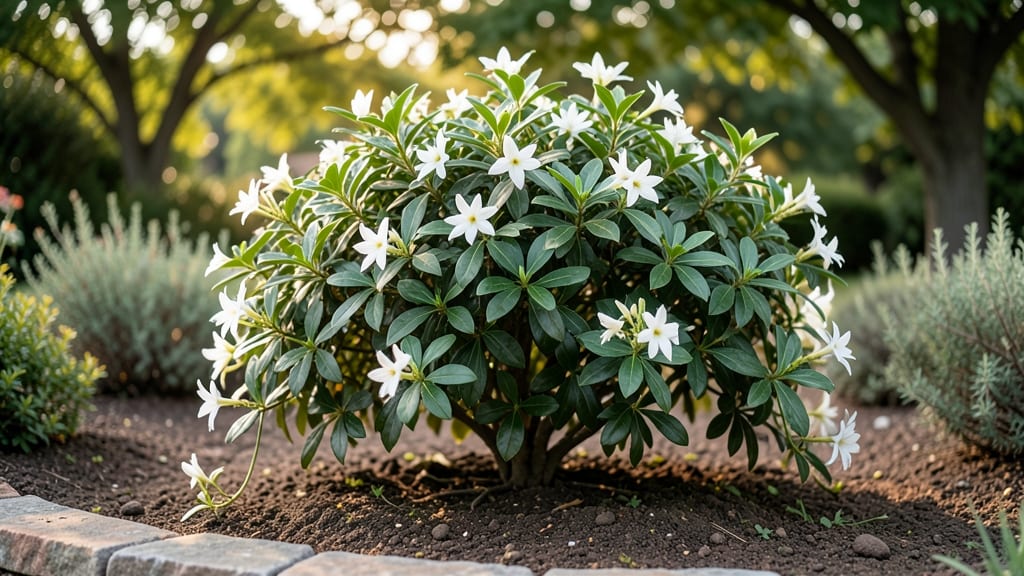
The confederate jasmine shrub (Trachelospermum jasminoides) turns your yard into a fragrant escape without a single thorn in sight. 🌿 I’ve grown this vine for years, and its sweet jasmine scent—stronger than any store-bought candle—makes it worth every minute of care.
The secret to keeping it lush and blooming lies in just three simple trims a year, not complicated pruning routines.
This evergreen climber thrives in partial shade to full sun and handles most soil types, though it prefers well-draining mixes. Water it deeply once a week during dry spells, but avoid soggy roots—this plant hates wet feet.
Unlike wisteria or roses, it won’t tangle your hands with thorns, making it perfect for trellises, fences, or even container training.
By spring, you’ll see glossy leaves and clusters of star-shaped white flowers that perfume the air at dusk. The 3-trim method keeps it compact, encourages more blooms, and prevents it from becoming a tangled mess. Even my black thumb can’t kill this one—it’s that resilient.
Works beautifully as a privacy screen, patio shade, or even a ground cover if left unpruned. Here’s how to get started without the overwhelm—no green thumb required.
📚 In This Guide
- What you need
- Instructions
- Tips and common mistakes
- Wrapping up and next steps
What you need
- ● Pruning shears or loppers: Sharp, bypass-style shears (for clean cuts) or loppers (for thicker branches). Size: 6–8" blades for shears, 8–10" for loppers.
- ● Garden gloves: Heavy-duty, nitrile-coated gloves (protects from thorns and sap). Quantity: 1 pair.
- ● Disinfectant (70% isopropyl alcohol or bleach solution): 1:9 bleach-to-water ratio (1 part bleach, 9 parts water). Purpose: Sterilizes tools to prevent disease.
- ○ Pruning sealant (optional but recommended): Tanglefoot Tree Wound Pruning Sealer or similar. Quantity: Small bottle (4–8 oz).
- ○ Extension pole (optional): For high branches (6–10 ft). Tip: Look for a telescoping pole with a saw attachment.
- ● Trash bag or bucket: For clippings. Size: 13-gallon capacity.
- ○ Watering can or hose: For post-pruning hydration. Optional: Add seaweed extract (1 tsp/gallon) to boost recovery.
- ● Best time to prune: Late winter or early spring (just before new growth). Why? Avoids stressing the plant during flowering season.
- ● Weather conditions: Overcast day or prune in early morning to reduce stress from heat/sun.
- ● Plant health check: Inspect for yellowing leaves (nutrient deficiency) or brown spots (fungus) before trimming.
How to prune your Confederate jasmine for a fragrant, thorn-free shrub
This is the straightforward trimming routine I use to keep my Confederate jasmine lush, fragrant, and completely free of those pesky thorns.
✂️ Step 1: Time Your First Cut After Spring Blooms
Wait until after the first flush of flowers has faded—usually late spring to early summer—to begin your first pruning. This timing ensures you don’t accidentally remove next year’s blooms hidden in the buds. I like to prune when the air temperature stays consistently above 60°F for a week, which helps the plant recover faster.
Look for last year’s growth—the older, thicker stems that may have lost some of their vibrancy. These are your targets. Use clean, sharp pruners to make cuts just above a set of healthy leaves or a bud, cutting at a 45-degree angle. This angle helps water run off the cut and prevents rot. Avoid cutting into old, bare wood—it won’t regrow.
✂️ Step 2: Thin Out Crowded Branches for Better Airflow
Confederate jasmine can get leggy and dense, which traps moisture and invites disease. Focus on removing 10-20% of the oldest, thickest branches first. These are often the ones with fewer leaves and more bare spots. I start at the outer edges of the shrub and work my way inward, making sure light and air can reach the center.
When thinning, cut all the way back to the main trunk or a strong lateral branch. Avoid leaving stubs—these can attract pests and slow down healing. If you’re unsure which branches to remove, imagine looking at the shrub from the front: aim for an open, inviting shape that lets you see through to the back.
✂️ Step 3: Shape and Lighten the Canopy for Year-Round Fragrance
This is where you refine the shape and encourage more blooms. Step back and visualize the shrub as a rounded dome—that’s the natural shape of a healthy Confederate jasmine. Trim any branches that grow straight up or outward too aggressively, cutting them back to a side bud or leaf. This redirects energy to fill out the canopy.
For a thorn-free experience, focus on removing the longest, most vigorous shoots—these often develop thorns as they mature. Shorten these by one-third to one-half of their length. You’ll notice the new growth that follows is softer and more manageable. Avoid heavy pruning in late summer or fall, as this can stimulate tender new growth that won’t survive winter.
⏰ Step 4: Clean Up and Monitor for New Growth
After pruning, remove all debris from the ground around the shrub—this prevents pests and diseases from taking hold. I like to sterilize my pruners with rubbing alcohol between cuts to avoid spreading any potential infections. Once you’re done, give the shrub a deep watering to help it recover, especially if the weather is dry.
Watch for new shoots emerging from the cuts within 2-4 weeks. These are your signal that the pruning worked! If you see sparse or weak growth, it might mean the plant needs more sunlight or nutrients. Confederate jasmine thrives in full sun to partial shade, so if your shrub isn’t getting enough light, consider moving it or supplementing with a balanced fertilizer in early spring.
Tips & tricks for perfect Confederate jasmine pruning
Here's what nobody tells you about keeping your fragrant jasmine lush and thorn-free—these tricks come from years of trial and error.
Timing is Everything: The late spring to early summer window is non-negotiable for first-time pruning. I've learned this the hard way—pruning too early can remove next year's blooms, while waiting too long means you're fighting with overgrown branches. Look for the first faded flowers as your cue, and always prune when temps stay above 60°F for a full week. This warmth helps the plant recover faster and prevents shock.
Tool Prep Makes All the Difference: Before you even touch a branch, sterilize your pruners with rubbing alcohol. I keep a small bottle of 70% isopropyl alcohol in my gardening toolbox—it takes just seconds to wipe between cuts and prevents spreading disease. Also, sharpen your blades regularly; dull pruners tear stems instead of making clean cuts, which stresses the plant and invites infections. A 45-degree angle isn't just aesthetic—it helps water run off the cut properly.
Visualize the Final Shape: Step back and imagine your shrub as a rounded dome before making any cuts. This mental exercise helps you see which branches are growing too aggressively upward or outward. I like to sketch a quick outline on paper first—it sounds silly, but it keeps me from over-trimming. For thorn control, focus on those long, vigorous shoots that grow straight up; shortening them by one-third to one-half creates softer new growth that's much easier to handle.
Seasonal Pruning Reminders: Avoid heavy pruning in late summer or fall—this stimulates tender new growth that won't survive winter. If you must do maintenance pruning outside the ideal window, limit yourself to light shaping and removing only dead or diseased branches. The 2-4 week window for new growth monitoring is your best indicator of success—if you don't see fresh shoots emerging within this timeframe, it's a sign the plant needs more sunlight or nutrients.
Pro Tips for Confederate Jasmine Shrub
- Here's what nobody tells you about keeping your fragrant jasmine lush and thorn-free—these tricks come from years of ...
- Timing is Everything: The late spring to early summer window is non-negotiable for first-time pruning. I've learned t...
- Tool Prep Makes All the Difference: Before you even touch a branch, sterilize your pruners with rubbing alcohol. I ke...
Frequently asked questions
How fast does Confederate Jasmine grow, and how big will it get?
Confederate Jasmine is a moderate grower, typically adding 12–24 inches per year under ideal conditions. With proper care, it can reach 10–15 feet tall and wide, making it a stunning, low-maintenance hedge or privacy screen. Prune regularly to control its size and encourage bushier growth!
When is the best time to prune Confederate Jasmine for maximum blooms?
Prune right after flowering (late spring to early summer) to shape the shrub and encourage next year’s blooms. Avoid heavy pruning in fall or winter, as it removes next season’s flower buds. Light trimming to remove dead or overgrown branches can happen year-round.
Why isn’t my Confederate Jasmine flowering, even though it’s healthy?
Several factors can delay blooms: too much shade, over-fertilizing with high-nitrogen feeds, or pruning at the wrong time. Ensure it gets 6+ hours of sunlight daily and prune post-flowering. A balanced, low-nitrogen fertilizer in early spring can also help stimulate blooms.
Can I grow Confederate Jasmine in containers, or is it better planted in the ground?
While it can thrive in large containers (15+ gallons), it’s best suited for in-ground planting due to its size and root system. If container-growing, use well-draining soil, repot every 2–3 years, and ensure the pot gets adequate sunlight and water. Dwarf varieties may adapt better to pots!
Are there any pests or diseases I should watch for with Confederate Jasmine?
This shrub is highly resistant to pests and diseases, but occasional issues like aphids, spider mites, or powdery mildew (in humid climates) may appear. Treat aphids with a strong spray of water; for mildew, improve airflow and avoid overhead watering. Healthy soil and proper pruning reduce risks!
How cold-hardy is Confederate Jasmine, and does it need winter protection?
It’s hardy to USDA Zones 7–10, tolerating temps down to 0°F. In colder zones, mulch the base with 2–3 inches of organic mulch in late fall to insulate roots. No extra winter protection is needed unless you’re in a microclimate with harsh winds or extreme cold snaps.
Wrapping up and next steps
The Confederate jasmine shrub is a fragrant, low-maintenance gem that brings beauty and charm to any garden—without the hassle of thorns! 🌸 With just three simple trims, you can shape it into a stunning, ever-blooming focal point while keeping it healthy and vibrant.
Whether you’re a seasoned gardener or a beginner, this versatile shrub rewards effort with year-round interest and intoxicating blooms.
Ready to transform your outdoor space? Grab your pruners, pick your preferred trim style, and get growing! Start small—plant one today—and watch your garden thrive with effortless elegance. 🌿