
Shrubs
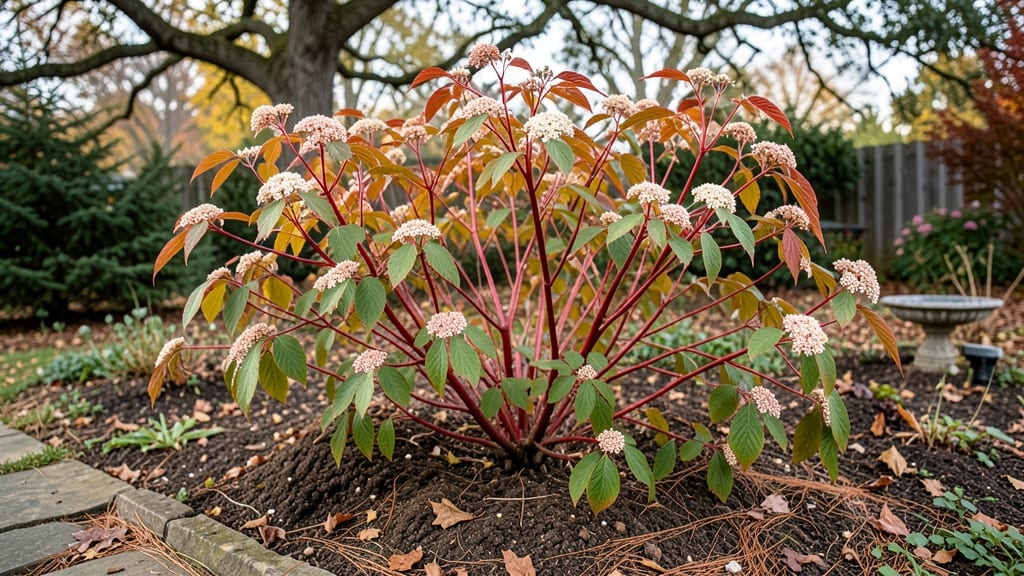
Red-flowering dogwood shrubs (Cornus florida) turn my Zone 3 yard into a springtime showstopper with their bold, four-petaled blooms that last weeks longer than tulips. 🌸 The deep crimson flowers stand out against fresh green foliage, and their layered branches create natural privacy screens that hummingbirds adore.
What makes them special isn't just their beauty—it's their toughness. These shrubs handle -40°F winters with ease, making them the perfect low-maintenance star for northern climates.
The secret to their success starts with the right spot: partial shade (morning sun, afternoon shade) protects the blooms from scorching while keeping the roots cool. Well-draining, slightly acidic soil mimics their native woodland conditions—think leaf mulch over clay, not sandy desert mix.
Water deeply once a week after planting, then let nature take over; established shrubs are surprisingly drought-tolerant once their roots spread. That first year is critical, though—skimp on watering and you'll stunt their growth for years.
By summer, you'll notice something magical: the foliage turns velvety burgundy in fall, and the branches develop striking exfoliating bark that adds winter interest. Prune right after flowering to shape the shrub without sacrificing next year's blooms—just remove dead wood and thin crowded stems.
The payoff comes in early spring when those 4-inch-wide flowers appear before the leaves, creating a dramatic focal point that outshines most spring bloomers.
They're foolproof for beginners but still impressive enough to wow landscape pros. Plant one as a specimen, line a driveway with three, or create a mixed border with azaleas and hydrangeas.
The key is patience—full impact takes 3-5 years, but once established, these shrubs need almost no care. That's the beauty of a plant that delivers year-round interest with minimal effort.
📚 In This Guide
- What you need
- Instructions
- Tips and common mistakes
- Wrapping up and next steps
What you need
- ● Red dogwood shrub: Choose a Cornus sericea (also called red osier dogwood) or Cornus alba variety, both hardy in Zone 3. Opt for a 3-5 gallon container-grown plant for best establishment.
- ● High-quality soil: A mix of 50% native soil, 30% compost, and 20% perlite or sand (for drainage). Aim for 2-3 cubic yards if planting multiple shrubs.
- ● Organic mulch: 3-4 inches of wood chips, straw, or shredded bark to retain moisture and regulate soil temperature.
- ● Fertilizer: Slow-release, balanced fertilizer (10-10-10) or organic options like composted manure (apply 1-2 lbs per 100 sq ft).
- ● Watering tools: Hose with adjustable nozzle (for gentle watering).
- ○ Drip irrigation kit (optional but ideal for consistent moisture).
- ● Pruning tools: Bypass pruners (for clean cuts).
- ● Loppers (for thicker stems).
- ● Garden saw (if removing large branches).
- ● Protective gear: Gloves, long sleeves, and closed-toe shoes (dogwood can have thorny stems!).
- ● Soil pH tester: Dogwood prefers slightly acidic soil (pH 5.0-6.5). Adjust with sulfur or lime if needed.
- ● Plant support: Stakes or cages (if planting in windy areas).
- ● Pest control: Neem oil or insecticidal soap (for aphids or scale).
- ● Winter protection: Burlap wraps or mulch blankets for young shrubs in harsh winters.
How to plant and care for red dogwood shrubs in Zone 3
Here's the straightforward method I've used to establish thriving red dogwoods that survive brutal winters and burst with color each spring.
🌱 Step 1: Select the Right Location and Prepare the Soil
Red dogwoods (Cornus sericea) thrive in partial shade—they need 4-6 hours of morning sun but protection from hot afternoon rays in Zone 3. Avoid low spots where cold air pools; choose a site with well-draining soil and slight elevation to prevent winter moisture stress.
Test your soil's pH—dogwoods prefer slightly acidic to neutral (6.0-7.0). If your soil is heavy clay, amend with 2-3 inches of compost mixed into the top 12 inches of soil. I like to work in a handful of sulfur if my soil tests too alkaline—just follow package directions for your specific results.
🪴 Step 2: Plant at the Correct Depth and Spacing
Dig a hole twice as wide as the root ball but no deeper—dogwoods hate having their roots buried too deep. Gently loosen the roots if they're circling and position the shrub so the top of the root ball sits level with the surrounding soil. Planting too deep suffocates the stem and invites rot.
Space multiple dogwoods 6-10 feet apart—they'll spread gradually but need room to develop their signature layered habit. For a 4-shrub grouping (as promised), arrange them in a loose rectangle rather than a tight cluster. Water deeply before backfilling to eliminate air pockets around the roots.
☀️ Step 3: Water and Mulch for Winter Protection
After planting, water deeply every 3-4 days for the first 4 weeks until the roots establish. You'll know it's enough when water drains 6-8 inches deep. Once established, dogwoods tolerate moderate drought but still need 1 inch of water weekly during dry spells.
Apply 3-4 inches of mulch (wood chips or shredded bark) around the base, keeping it 3 inches away from the trunk to prevent rot. In Zone 3, add an extra 2 inches of mulch in late fall to insulate roots through winter. I always check mulch depth in spring—if it's broken down below 2 inches, I top it up.
✂️ Step 4: Prune for Shape and Health Annually
Prune dogwoods right after flowering (late spring) to avoid cutting off next year's blooms. Remove dead, crossing, or weak branches first, then shape by cutting just above a bud facing outward. Never remove more than 25% of the foliage in one year—dogwoods recover slowly from heavy pruning.
Watch for powdery mildew on leaves—this is common in humid summers. If you see white powdery spots, prune for better airflow and apply neem oil as a preventative spray. I also deadhead spent blooms in early summer to encourage a second flush of flowers on some varieties.
⏰ Step 5: Monitor for Zone 3-Specific Challenges
Dogwoods in Zone 3 face two main threats: late spring frosts and deer browsing. Protect new growth with frost cloth if your area gets late frosts after buds swell. For deer pressure, I wrap young shrubs in hardware cloth until they reach 4 feet tall—deer find them irresistible when tender.
Fertilize lightly in early spring with a balanced 10-10-10 formula—dogwoods don't need heavy feeding. Over-fertilizing leads to weak stems that snap in winter winds. I also check for borer holes in early summer—if you see D-shaped exit holes, treat with beneficial nematodes to control larvae.
Tips & tricks for thriving red dogwood shrubs in Zone 3
These hard-earned lessons will help you turn your dogwoods into the showstopping centerpiece of your landscape—without the guesswork.
Location is Everything: That 4-6 hours of morning sun is non-negotiable for vibrant blooms, but here's what nobody tells you—watch for microclimates. The north side of your house might get less sun than you think, while the south side could scorch leaves in afternoon heat. I test spots by placing a white board where I plan to plant and checking how much sun it gets throughout the day for a week before committing.
Soil Science Matters: When amending with compost, don't just dump it in the hole—mix that 2-3 inches of compost thoroughly into the top 12 inches of surrounding soil. Dogwoods have shallow roots that spread wide, so they need consistent conditions throughout their root zone. I use a garden fork to loosen the soil and create channels for roots to establish more easily.
Winter Protection Hacks: That extra 2 inches of mulch in Zone 3 isn't just about insulation—it's about preventing freeze-thaw cycles that can heave roots out of the ground. I spread mulch in a volcano shape, thicker at the base and tapering toward the edges, to create better insulation. Also, consider wrapping young shrubs with burlap in late fall for added protection against windburn.
Pruning Precision: When you're shaping those branches in Step 4, focus on creating an open center that allows light and air to circulate. I always make cuts at a 45-degree angle just above an outward-facing bud—this encourages new growth in the right direction. And remember, dogwoods bloom on old wood, so avoid heavy pruning that removes next year's flower buds.
Pro Tips for Dogwood Shrub Red
- These hard-earned lessons will help you turn your dogwoods into the showstopping centerpiece of your landscape—withou...
- Location is Everything: That 4-6 hours of morning sun is non-negotiable for vibrant blooms, but here's what nobody te...
- Soil Science Matters: When amending with compost, don't just dump it in the hole—mix that 2-3 inches of compost thoro...
Frequently asked questions
Got questions about growing dogwood shrubs with stunning red blooms in cold climates? You’re not alone! Here are answers to the most common queries to help you cultivate these hardy beauties with confidence.
What’s the best time to plant a red dogwood shrub in Zone 3?
Plant your Cornus florida or Cornus sericea varieties in early spring or early fall—when soil is workable but not frozen. Avoid late fall planting, as young roots may struggle to establish before winter. Mulch heavily after planting to protect roots from freezing temperatures.
Can red dogwood shrubs survive harsh Zone 3 winters?
Native varieties like Cornus sericea (red-osier dogwood) thrive in Zone 3, while flowering dogwoods (Cornus florida) may need winter protection (burlap wraps or mulch) in extreme cold. Choose cold-hardy cultivars like ‘Cherokee Brave’ for extra resilience.
Why aren’t my red dogwood blooms as vibrant as expected?
Faded or sparse blooms often signal nutrient deficiencies (add compost or a balanced fertilizer in early spring) or over-pruning (avoid cutting back until after flowering). Ensure full sun to partial shade and well-draining soil—dogwoods hate soggy roots!
What’s a great alternative if red dogwood struggles in my yard?
Try these Zone 3-friendly red bloomers:
- Viburnum trilobum (highbush cranberry) – White flowers, red berries, deer-resistant.
- Spiraea japonica (Japanese spirea) – Compact, red/pink blooms, drought-tolerant.
- Weigela florida – Trumpet-shaped red/pink flowers, thrives in poor soil.
Are red dogwood shrubs prone to pests or diseases?
Watch for dogwood borers (tunnel into stems) and powdery mildew (white fungus on leaves). Prevent borers with pruning infected branches and mildew with fungicide sprays** or improved airflow. Keep shrubs healthy with regular watering and mulching!
Wrapping up and next steps
The dogwood shrub red is a stunning, cold-hardy addition that brings vibrant color and resilience to your garden—even in Zone 3’s harsh winters! 🌸 With its striking blooms, low-maintenance care, and adaptability, it’s a dream for both novice and seasoned gardeners alike.
Ready to transform your landscape? Start by selecting the perfect variety for your space, then plant with confidence—your future red dogwood blooms will thank you! Happy gardening!