
Shrubs
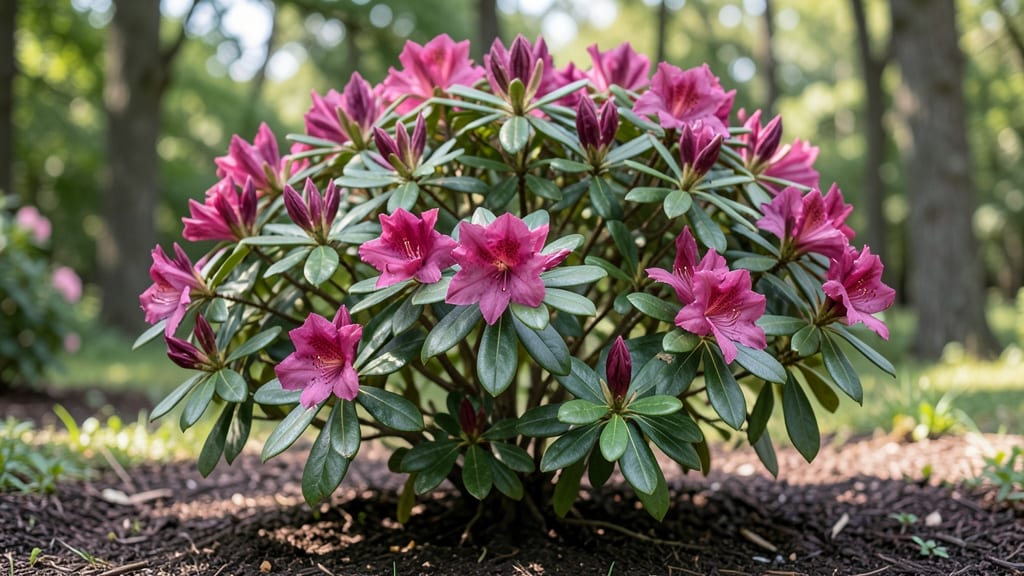
Your evergreen azalea shrub could be the star of your shade garden this spring. 🌿 These glossy-leaved beauties bring year-round structure and bursts of fragrant blooms—if you give them the right conditions.
I’ve learned the hard way that azaleas aren’t fussy, but they do demand consistent moisture and acidic soil, or they’ll sulk with yellow leaves and sparse flowers.
Start with well-draining, acidic soil (aim for a pH of 4.5–6.0) and plant in partial shade—morning sun with afternoon shade works best in hot climates. Water deeply once a week (more in summer), keeping roots moist but never soggy.
A 2–3 inch layer of mulch helps retain moisture and mimics their natural woodland home.
Prune right after blooming to shape the shrub and encourage dense growth, but never cut into old wood—you’ll lose next year’s flowers. Feed with an acid-loving fertilizer in early spring, and watch for lace bugs or powdery mildew (they’re common but treatable).
With the right care, your azalea will reward you with vibrant blooms for decades.
Perfect for foundation plantings, woodland gardens, or even large containers. Once established, they’re nearly maintenance-free—just watch for those telltale signs of stress (like leaf drop) and adjust care accordingly. Let’s get yours thriving!
📚 In This Guide
- What you need
- Instructions
- Tips and common mistakes
- Wrapping up and next steps
What you need
- ● Evergreen azalea plants: 1–3 plants (depending on desired size and spacing)
- ● Recommended varieties: 'George L. Taber,' 'Southern Indigo,' or 'Hino Crimson' (check local availability)
- ● Well-draining acidic soil: pH 4.5–6.0 (test with a soil pH kit)
- ● Amend with peat moss or pine bark fines (5–10% by volume) if soil is alkaline
- ● Organic mulch: 2–3 inches of pine straw, wood chips, or shredded bark (avoid cedar mulch—it’s toxic!)
- ● Slow-release acid-forming fertilizer: 10–10–10 or 8–3–9 formula (apply in early spring and fall)
- ○ Optional: Azalea-specific granules for extra nutrients
- ● Hand trowel or spade (for digging)
- ● Garden gloves (to protect hands from thorns)
- ● Watering can or hose with a gentle spray nozzle
- ● Pruning shears (for shaping and deadheading)
- ● Measuring tape or ruler (for spacing plants 3–6 feet apart)
- ○ Optional but helpful: Soil moisture meter (to monitor hydration)
- ● Fertilizer spreader (for even distribution)
- ● Shade cloth (if planting in hot climates)
- ● Partial to full shade: 2–6 hours of sunlight daily (morning sun is ideal)
- ● Sheltered location: Protect from strong winds (azaleas dislike exposure)
- ● Well-draining soil: Avoid soggy spots—azaleas hate "wet feet"
Step-by-Step instructions for planting and cultivating evergreen azaleas
Here’s how to establish fragrant, shade-loving evergreen azaleas that reward you with vibrant blooms for years.
🌱 Step 1: Select and Prepare the Planting Site
Choose a location with partial to full shade—azaleas thrive where they receive morning sun and afternoon shade, especially in hotter climates. They prefer acidic soil (pH 4.5-6.0) and excellent drainage, so avoid low-lying areas where water pools. If your soil isn’t naturally acidic, amend it with peat moss or sulfur before planting.
Dig a hole twice as wide as the root ball but only as deep as the container’s drainage holes. This encourages roots to spread horizontally rather than settling too low, which can suffocate them. Loosen the sides of the hole with a shovel to prevent soil compaction around the roots later.
🪴 Step 2: Plant the Azalea with Proper Spacing and Soil Care
Remove the azalea from its container and gently tease apart the roots if they’re circling or tightly bound. Place the plant in the hole so the top of the root ball sits level with the surrounding soil—burying too deep can cause root rot, while planting too high stresses the plant. Backfill with the amended soil, tamping lightly as you go to eliminate air pockets.
Space 4-6 feet apart for mature size, allowing airflow to reduce fungal diseases. Water deeply immediately after planting to settle the soil and eliminate air gaps. Mulch with 2-3 inches of pine bark or wood chips, keeping it 6 inches away from the stem to prevent rot. This mimics their natural forest-floor habitat and retains moisture.
☀️ Step 3: Water and Fertilize for Healthy Growth
Water deeply once a week (or more in extreme heat) to encourage deep root growth. Evergreen azaleas are drought-sensitive, so let the top 2 inches of soil dry out between waterings—this prevents soggy roots while keeping the plant hydrated. Avoid overhead watering to minimize fungal spores landing on leaves.
Fertilize in early spring with an acid-loving plant fertilizer (look for one with high phosphorus for blooms). Apply half the recommended dose—too much fertilizer burns roots. Skip fertilizing in fall or winter, as azaleas rest during cooler months. A slow-release fertilizer in spring ensures steady nutrition without overfeeding.
✂️ Step 4: Prune and Maintain for Long-Term Blooms
Prune right after flowering (late spring) to shape the shrub and encourage next year’s blooms. Remove dead, crossing, or weak branches first, then trim back any leggy growth to maintain a compact form. Never prune into old wood—azaleas bloom on new growth, so avoid heavy cuts that remove flowering stems.
Watch for yellow leaves, which often signal overwatering or alkaline soil. If the soil pH drifts above 6.0, apply sulfur or aluminum sulfate in fall to restore acidity. Evergreen azaleas are low-maintenance once established, but consistent moisture and shade are non-negotiable for their long-term health and vibrant blooms.
Tips & tricks for perfect evergreen azalea shrubs
These insights will help you nurture thriving, fragrant evergreen azaleas that become the star of your shade garden.
Soil Preparation Secret: Before planting, test your soil pH using a simple kit—azaleas demand acidity between 4.5 and 6.0. If your soil tests above 6.0, mix in peat moss or sulfur (as mentioned in Step 1) at least 2-3 months before planting to allow the soil to adjust. I learned this the hard way after my first batch of azaleas struggled with yellowing leaves despite proper watering.
Root Care Technique: When teasing apart circling roots in Step 2, work gently but firmly—you're not trying to break roots, just encourage outward growth. Use your fingers or a small garden fork to loosen the root ball without damaging the delicate feeder roots. This step prevents transplant shock and helps establish a stronger root system for those 4-6 feet of mature spacing.
Watering Wisdom: The once-a-week deep watering in Step 3 is non-negotiable, but timing matters too. Water in the early morning to allow foliage to dry before evening—this prevents fungal diseases that thrive in damp conditions. I've found that azaleas watered in the evening often develop powdery mildew, despite all other care being perfect.
Pruning Precision: When pruning in late spring (Step 4), focus on outward-facing branches to create an open, airy structure. This not only improves airflow but also encourages more blooms next season. Avoid cutting into old wood—look for the green growth just beyond the flowering stems. I've seen many gardeners accidentally remove next year's blooms by pruning too aggressively.
Pro Tips for Evergreen Azalea Shrub
- These insights will help you nurture thriving, fragrant evergreen azaleas that become the star of your shade garden.
- Soil Preparation Secret: Before planting, test your soil pH using a simple kit—azaleas demand acidity between 4.5 and...
- Root Care Technique: When teasing apart circling roots in Step 2, work gently but firmly—you're not trying to break r...
Frequently asked questions
Got questions about growing and caring for your evergreen azalea shrub? You’re not alone—these stunning plants are full of surprises! Here are some of the most common queries from gardeners just like you:
What’s the best time to plant an evergreen azalea?
Plant your evergreen azalea in early spring or early fall when temperatures are mild (50–60°F). This gives roots time to establish before extreme heat or cold sets in. Avoid planting in summer—azaleas hate stress from transplant shock!
How often should I water my evergreen azalea?
Keep soil consistently moist but not soggy—water deeply 1–2 times per week (more in extreme heat or dry spells). Mulch around the base to retain moisture and protect roots. Pro tip: Yellowing leaves often signal underwatering, while wilting or leaf drop may mean overwatering!
Can evergreen azaleas survive full sun?
While they tolerate partial sun, most evergreen azaleas thrive in morning sun + afternoon shade. Too much direct sun (especially in hot climates) can scorch leaves. If your yard is sunny, choose a shade-tolerant variety like ‘Southern Indica’ or ‘George L. Taber.’
Why aren’t my azalea flowers opening, and how do I fix it?
Bud drop or no blooms often stem from stress—check for:
- Over/underwatering (stick your finger in the soil!)
- Poor drainage (azaleas despise soggy roots)
- Lack of fertilizer (use an acidic, high-phosphorus formula in early spring)
- Sudden temperature swings (they’re finicky about heat/cold shifts!)
What’s a great alternative if my azalea struggles in my climate?
If your zone is too hot, cold, or dry for evergreen azaleas, try:
- Rhododendrons (hardier, similar care)
- Camellias (evergreen, shade-loving, blooms later)
- Pieris japonica (drought-tolerant, white spring flowers)
- Boxwoods (low-maintenance, great for hedges)
Wrapping up and next steps
Transforming your shade garden with evergreen azaleas is a rewarding journey—one that brings year-round beauty and effortless charm! 🌿 Their vibrant blooms, fragrant allure, and low-maintenance nature make them a standout choice for any outdoor space.
Whether you're a seasoned gardener or just starting out, these shrubs offer a perfect blend of resilience and elegance.
Ready to plant your own? Start by gathering your supplies, choosing the right location, and following the simple steps outlined above. Before you know it, you’ll be enjoying a lush, ever-blooming garden that turns heads—and maybe even a few compliments from your neighbors! Happy planting! 🌸