
Shrubs
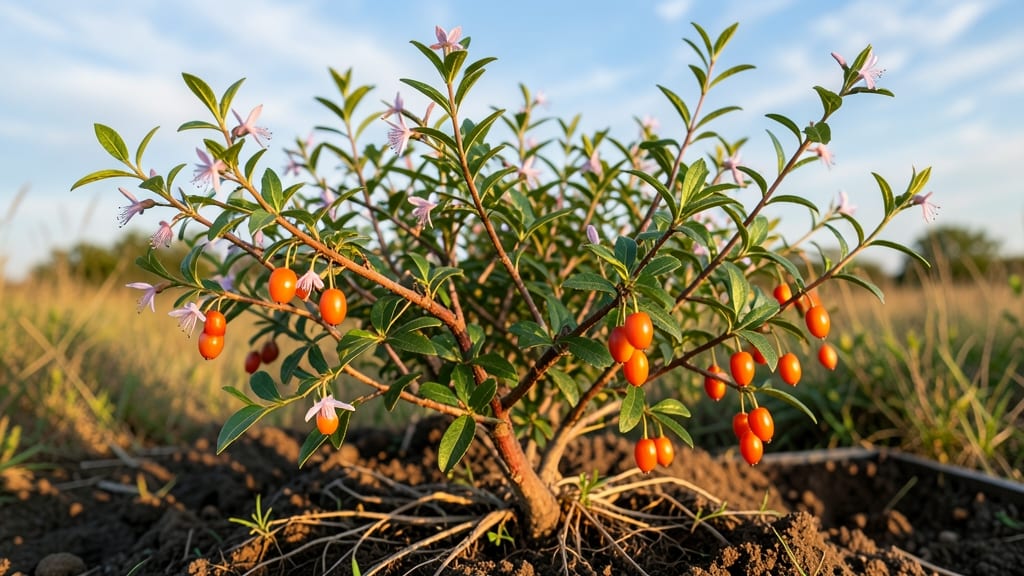
Cultivating goji berry shrubs (Lycium barbarum) transforms your garden into a medicinal powerhouse with minimal fuss. 🌱 These drought-tolerant plants thrive in poor soil, produce vibrant red-orange berries, and resist pests better than most ornamentals.
I’ve grown them for three seasons now, and they’ve become my go-to for both beauty and berries—though the birds often get there first. The key to success lies in their adaptability: plant in full sun, well-draining soil, and zones 4-9.
Prune lightly in early spring to encourage bushier growth, and water only when the soil is bone-dry. Unlike fussy plants, goji berries reward patience with five years of harvests and minimal care once established.
What you’ll end up with is a hardy shrub that outperforms in heat, drought, and poor soil—ideal for hedges, borders, or even containers. The berries aren’t just ornamental; they’re packed with antioxidants and used in traditional medicine for energy and longevity.
Works in urban gardens, rural plots, or even as a windbreak. Here’s how to get started without the common pitfalls.
📚 In This Guide
- What you need
- Instructions
- Tips and common mistakes
- Wrapping up and next steps
What you need
- ● Goji berries: 1 cup (dried, organic if possible—about 4 oz or 113g)
- ● Fresh fruit: 1 cup (chopped—try tart apples, pears, or citrus peels for balance)
- ● Sweetener: 1 cup (granulated sugar or honey—adjust to taste)
- ● Water: 2 cups (filtered or spring water)
- ○ Spices (optional but recommended): 1 cinnamon stick
- ● 3-4 cloves
- ○ 1 star anise (optional)
- ● Clean glass jar: 1-quart (mason jar preferred)
- ● Cheesecloth or fine mesh strainer (for filtering)
- ● Wooden spoon or spatula (for stirring)
- ● Funnel (for transferring liquid to storage)
- ● Air-tight bottle or jar (for storage, 8-16 oz)
- ● Basic kitchen tools (knife, cutting board)
- ● Patience! Shrubs need 4-6 weeks to ferment properly.
- ● Clean workspace (sanitize jars and tools to avoid contamination)
How to grow goji berry shrubs from start to harvest
Here's the method I've perfected over three seasons to grow healthy, productive goji berry shrubs.
🌱 Step 1: Select and Prepare the Right Growing Site
Goji berries thrive in full sun with at least 6-8 hours of direct light daily. Choose a location that receives morning sun and afternoon shade in hot climates, as the berries can scorch in intense afternoon heat. The shrubs tolerate a range of soil types but prefer well-draining, slightly alkaline soil with a pH between 7.5 and 8.5.
Before planting, amend the soil with 2-3 inches of compost mixed into the top 12 inches of soil. Goji berries are drought-tolerant once established, but they need consistent moisture during their first growing season. Test the soil moisture by sticking your finger 2 inches deep—if it feels dry, it's time to water.
🌿 Step 2: Plant Bare-Root Shrubs at the Correct Depth and Spacing
Plant your goji berry shrubs in early spring, after the last frost date in your area. Dig a hole twice as wide as the root ball but only as deep. Goji berries have a deep taproot, so avoid disturbing the roots more than necessary. Place the shrub in the hole so the top of the root ball sits 1 inch above the surrounding soil level—this prevents water from pooling around the stem.
Space the shrubs 4-6 feet apart in rows that are 6-8 feet apart. This spacing allows for adequate airflow, which reduces the risk of fungal diseases like powdery mildew. Water the shrubs deeply right after planting to settle the soil around the roots. You'll know it's done correctly when the soil looks firm but not compacted.
☀️ Step 3: Maintain Soil Moisture and Fertility Through the Growing Season
Water goji berry shrubs deeply once a week during the first growing season, ensuring the soil is moist to a depth of 6 inches. Once established, they can tolerate drought but will produce more berries with consistent moisture. Mulch around the base of the shrubs with 2-3 inches of organic mulch, like straw or wood chips, to retain soil moisture and suppress weeds. Keep the mulch 2 inches away from the stem to prevent rot.
Fertilize in early spring with a balanced, slow-release fertilizer (10-10-10) applied at the rate of 1 pound per 100 square feet. Avoid high-nitrogen fertilizers, as they promote leafy growth at the expense of berry production. You'll see healthy, vibrant foliage and an increase in berry yield within the first season of proper fertilization.
✂️ Step 4: Prune for Shape and Productivity in Late Winter or Early Spring
Prune goji berry shrubs in late winter or early spring, before new growth begins. Remove any dead, diseased, or crossing branches first. Then, shape the shrub by cutting back one-third of the oldest wood to encourage new growth and improve air circulation. This pruning also helps the shrub focus its energy on producing berries rather than maintaining old growth.
Watch for new shoots emerging from the base of the shrub—these are called "suckers" and should be removed to maintain the shrub's shape and prevent overcrowding. Prune with clean, sharp pruners to make clean cuts just above a bud or branch collar. You'll notice a more open, bushy shrub with better berry production after a few years of consistent pruning.
⏰ Step 5: Harvest Berries at Peak Ripeness for Maximum Flavor
Goji berries typically ripen in late summer to early fall, depending on your climate. Harvest the berries when they turn a deep red-orange color and are plump to the touch. Pick them by hand, twisting gently to avoid damaging the branches. You'll know they're ready when the berries come off easily and have a slightly sweet, tangy aroma.
Harvest berries in the morning after the dew has dried but before the heat of the day sets in. Spread them out on a clean, dry surface to dry completely, which usually takes 3-5 days. Once dried, store them in an airtight container in a cool, dark place. Properly dried goji berries will keep for up to a year, making them a versatile ingredient for teas, desserts, or even homemade shrubs.
Tips & tricks for perfect goji berry shrub
Between us, growing these vibrant shrubs takes patience—but these tricks will help you avoid the mistakes I made in my first two seasons.
Light Management: If your climate has intense afternoon sun, consider installing temporary shade cloth during the hottest hours. Goji berries can scorch easily, and even a light fabric covering can prevent sunburn on the leaves and berries. I've seen dramatic differences in berry yield when protecting plants from 12 PM to 4 PM during peak summer months.
Soil pH Secret: While goji berries tolerate a range of soil types, their ideal slightly alkaline pH (7.5-8.5) can be tricky to achieve naturally. Test your soil first—if it's acidic, add crushed limestone at planting time. For established plants, a sprinkle of wood ash around the base (not touching the stem) can help raise pH gradually over time.
Watering Wisdom: The "finger test" for soil moisture works, but I've found it's even better to use a moisture meter for accuracy. Goji berries hate soggy roots but need consistent moisture during their first season. Water deeply when the top 2 inches of soil feel dry, but avoid creating puddles—these shrubs prefer well-draining conditions even when young.
Pruning Precision: When cutting back one-third of the oldest wood in Step 4, make your cuts just above a visible bud or branch collar. This encourages new growth from the right spot. I always prune on a dry day when the shrubs are dormant—this minimizes stress on the plant and reduces the risk of disease transmission through wet tools.
Pro Tips for Goji Berry Shrub
- Between us, growing these vibrant shrubs takes patience—but these tricks will help you avoid the mistakes I made in m...
- Light Management: If your climate has intense afternoon sun, consider installing temporary shade cloth during the hot...
- Soil pH Secret: While goji berries tolerate a range of soil types, their ideal slightly alkaline pH (7.5-8.5) can be ...
Frequently asked questions
Got questions about crafting your own goji berry shrub? We’ve got answers!
Whether you're a first-timer or a seasoned shrub-maker, these FAQs will help you troubleshoot, time your recipe, and make the most of this tart, tangy elixir. Let’s dive in!
Can I substitute goji berries for another dried fruit?
While goji berries add a unique sweet-tart depth, you can swap them for dried cherries, cranberries, or even blueberries (soaked in warm water first). Just adjust the sugar or honey to taste—goji berries are naturally sweeter, so other fruits may need extra sweetness to balance the vinegar. Experiment to find your perfect flavor!
How long can I store my goji berry shrub?
Properly stored, your shrub will last 6–12 months in the fridge (or up to 3 months unrefrigerated in a cool, dark place). The flavors deepen over time, so don’t rush to use it all at once! Tip: If mold appears or the scent changes, toss it—better safe than sorry.
Why is my shrub cloudy or fizzy?
Cloudiness is normal if you used honey or fruit juice—it’s just natural sediment. For a clearer shrub, strain it through a fine-mesh sieve or cheesecloth. Fizzy shrub? That’s fermentation! If it’s too bubbly, let it sit uncovered for a day to release excess gas. Pro tip: Use airtight containers to minimize oxidation and keep it fresh longer.
Do I need to sterilize my jars for shrub?
Sterilization isn’t strictly necessary for shrubs (thanks to the high acidity!), but it’s a smart move for longevity. Wash jars and lids with hot, soapy water, then rinse thoroughly. For extra peace of mind, run them through a 200°F (93°C) oven for 10 minutes to kill bacteria. Your shrub will thank you!
How much shrub should I use in a cocktail?
Start with 1–2 oz (30–60 mL) of shrub per 8–12 oz (240–360 mL) of drink—adjust to taste! It’s potent, so sip first, then mix. Goji berry shrub pairs beautifully with gin, vodka, or even sparkling water for a refreshing, herbal kick. Tip: Dilute with soda or tonic if you prefer a lighter flavor.
Wrapping up and next steps
Ready to elevate your cocktail game with the bold flavors of a goji berry shrub?
This tart, tangy, and nutrient-packed recipe is your gateway to homemade mixology magic—perfect for sipping, gifting, or experimenting with your favorite spirits. 🍹✨ Whether you're a mixologist newbie or a seasoned pro, this shrub is a versatile and rewarding project that proves homemade always tastes better.
Now that you’ve got the know-how, why not take the next step? Try infusing your shrub with herbs like rosemary or thyme, or pair it with bourbon, gin, or even sparkling water for a refreshing mocktail. Cheers to creating something truly special! 🥂