
Shrubs
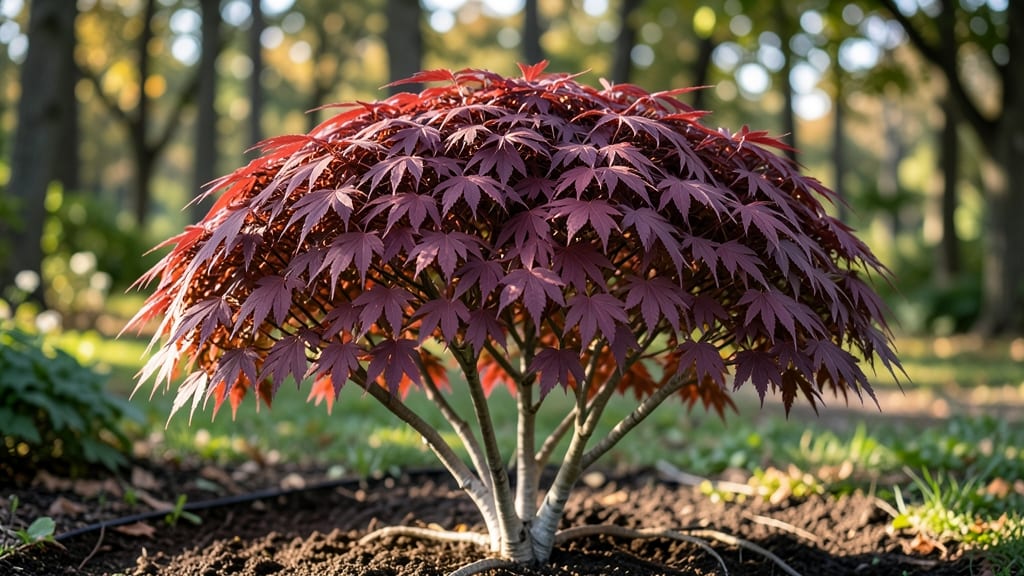
Growing a Japanese red maple shrub starts with its stunning burgundy foliage that turns fiery in fall—my first one stole the show in our front yard last October. 🌿 These cold-hardy beauties thrive in zones 5-8, where they handle winter winds and spring frosts with ease, making them perfect for gardeners who want drama without fuss.
The secret lies in well-draining soil and morning sun with afternoon shade—too much direct sun scorches those delicate leaves. Plant in early spring when roots can establish before summer heat hits. Most nurseries carry bare-root versions in early spring, or you can find potted ones year-round.
Once established, they need minimal watering—just consistent moisture the first year, then occasional deep watering after that. Fertilize lightly in spring with a balanced formula, but avoid heavy feeding, which can reduce that vibrant color. Pruning is simple: remove dead branches in late winter and shape lightly after flowering.
Pests rarely bother them, but watch for aphids—just spray with water to dislodge them. With proper care, your shrub will grow 6-10 feet tall and wide, becoming a year-round focal point.
📚 In This Guide
- What you need
- Instructions
- Tips and common mistakes
- Wrapping up and next steps
What you need
- ● Japanese Red Maple Shrub: 1 nursery-grown plant (3–5 gallons in container for best establishment). Choose a healthy specimen with vibrant red foliage and no signs of pests.
- ● Well-draining soil: Mix equal parts of garden soil, compost, and coarse sand or perlite (2–3 cubic yards for mature shrubs). Aim for a pH of 5.0–6.5 (slightly acidic).
- ● Mulch: 2–3 inches of organic mulch (e.g., shredded bark or wood chips) to retain moisture and regulate soil temperature.
- ● Fertilizer: Slow-release, acid-loving plant fertilizer (e.g., 10-10-10 or 8-3-9 with micronutrients). Apply once in early spring.
- ● Garden trowel or shovel (for digging)
- ● Pruning shears (sharp, bypass-style for clean cuts)
- ● Gloves (gardening or heavy-duty for thorny branches)
- ● Watering can or hose with nozzle (drip irrigation ideal for deep watering)
- ○ Wheelbarrow (for mixing soil amendments, optional but helpful)
- ● Sunlight: Full sun to partial shade (6+ hours of direct sun daily for optimal color). Dappled shade in hot climates (Zones 5–8).
- ● Climate: Cold-hardy to USDA Zones 5–8. Protect young shrubs from late frosts with frost cloth if needed.
- ● Space: Mature shrubs reach 10–15 feet tall/wide. Plant 10–15 feet apart for full growth.
- ● Soil test kit (to check pH and nutrient levels)
- ● Epsom salt (for magnesium boost if leaves yellow between veins)
- ● Decorative rocks or edging (for a polished garden bed)
- ● Disease-resistant fungicide (e.g., copper-based, for prevention)
Step-by-Step guide to planting and caring for a Japanese red maple shrub
Here's how to establish a stunning, low-maintenance Japanese red maple shrub that thrives in cold climates.
🌱 Step 1: Choose the Perfect Planting Location
Japanese red maples need full sun to partial shade—at least 6 hours of sunlight daily—but can tolerate morning sun with afternoon shade in hotter regions. The key is well-draining soil; these shrubs hate soggy roots. I always test the spot by digging a 12-inch hole—if water pools instead of draining within an hour, amend the soil with 2-3 inches of compost or plant on a slight mound.
Consider mature size too. These shrubs grow 15-25 feet tall and wide, so give them 20 feet of clearance from structures, sidewalks, or other plants. I mark the spot with a stake before digging to ensure proper spacing—trust me, you don’t want to move one later.
🪴 Step 2: Dig and Prepare the Planting Hole
Dig a hole twice as wide and just as deep as the root ball. Loosen the sides gently with your hands or a trowel—this encourages roots to spread outward. I like to add a handful of slow-release fertilizer to the bottom of the hole (about 1 cup per shrub) to give it a nutrient boost without overfeeding.
Place the shrub in the hole so the top of the root ball sits 1-2 inches above ground level. This prevents water from pooling around the stem. Fill the hole with native soil, tamping down lightly every 2 inches to remove air pockets. Water deeply until the soil settles—you’ll see the root ball drop slightly.
☀️ Step 3: Water and Mulch for Establishment
After planting, water deeply for 10-15 minutes to encourage roots to expand into the surrounding soil. Japanese red maples need 1-2 inches of water per week during the first year, but let the top 2 inches of soil dry out between waterings—overwatering is their biggest enemy.
Spread 2-3 inches of mulch (like wood chips or pine straw) around the base, keeping it 3 inches away from the trunk. Mulch locks in moisture and regulates soil temperature, but too much can suffocate roots. I always refresh the mulch layer in spring—it breaks down faster than you’d think.
✂️ Step 4: Prune for Shape and Health
Japanese red maples thrive with minimal pruning, but I recommend light shaping in late winter or early spring before new growth begins. Remove any dead, diseased, or crossing branches first—these compete for energy and can spread problems. Use clean, sharp pruners to make cuts just outside the branch collar.
For shaping, focus on opening the center to improve airflow and sunlight penetration. I never cut more than 25% of the foliage in one season—this keeps the shrub strong. If you prune too aggressively, you’ll trigger excessive water sprouts (those skinny, weak branches) that ruin the natural form.
🌿 Step 5: Monitor and Maintain Through Seasons
In early spring, fertilize lightly with a balanced 10-10-10 formula (about ½ cup per shrub) if the soil is poor. Avoid high-nitrogen fertilizers—they promote leafy growth at the expense of vibrant fall color. Water deeply once a week during dry spells, but reduce frequency in winter unless the ground is frozen.
Watch for aphids or spider mites on new growth—these pests love tender maple leaves. A strong spray of water usually knocks them off, but for stubborn infestations, I use neem oil (mix 1 tablespoon per gallon of water). Healthy Japanese red maples are tough, but stress makes them vulnerable—so keep an eye out for yellowing leaves or stunted growth.
Tips & tricks for perfect Japanese red maple shrub planting
A few simple tricks will help your Japanese red maple thrive for decades—these are the secrets I've learned after planting dozens of these stunning shrubs.
Soil Test First: Before you dig that 12-inch hole, grab a handful of soil and squeeze it. If it stays clumped in your hand after pressing, you've got poor drainage. Japanese red maples despise soggy roots, so either amend with 2-3 inches of compost or plant on a slight mound to create natural drainage. I've seen too many beautiful maples fail because of this one oversight.
Root Ball Placement Matters: When positioning your shrub in Step 2, make sure the top of the root ball sits just 1-2 inches above ground level—not buried, not sticking out. This subtle elevation prevents water from pooling around the stem, which can rot the trunk over time. Think of it like giving your shrub a tiny hill to stand on.
Mulch Like a Pro: That 2-3 inches of mulch isn't just decoration—it's insulation. Apply it around the base but keep it 3 inches away from the trunk to prevent moisture buildup. I refresh my mulch every spring because it breaks down faster than you'd expect, and fresh mulch helps regulate soil temperature year-round. Plus, it looks so much cleaner!
Pruning Timing is Everything: The instructions mention pruning in late winter or early spring, but here's the thing: timing matters more than you think. If you prune too early, you'll cut off potential flower buds. Wait until just before you see new growth starting—usually when forsythia blooms in your area. This gives you the perfect window to shape without sacrificing next year's vibrant foliage.
Pro Tips for Japanese Red Maple Shrub
- A few simple tricks will help your Japanese red maple thrive for decades—these are the secrets I've learned after pla...
- Soil Test First: Before you dig that 12-inch hole, grab a handful of soil and squeeze it. If it stays clumped in your...
- Root Ball Placement Matters: When positioning your shrub in Step 2, make sure the top of the root ball sits just 1-2 ...
Frequently asked questions
How cold-hardy is the Japanese Red Maple shrub, really?
The Japanese Red Maple (Acer palmatum) thrives in USDA Zones 5-8, making it one of the hardiest maples for colder climates. Young plants may need winter protection (like burlap wraps) in Zone 5, but mature shrubs handle frost beautifully—even down to -20°F! Just avoid late spring frosts, which can damage tender new growth.
Do I need to prune it often, or is minimal pruning enough?
Minimal pruning is ideal! Focus on removing dead, diseased, or crossing branches in late winter or early spring. Avoid heavy pruning—this shrub’s beauty lies in its natural, layered form. If you must shape it, do so after flowering (spring) to preserve its vibrant foliage.
How much water does a Japanese Red Maple need?
Newly planted shrubs need 1-2 inches of water weekly for the first year. Mature plants are drought-tolerant but appreciate consistent moisture during dry spells. Overwatering is worse—ensure well-draining soil to prevent root rot. Mulch (2-3 inches) helps retain moisture and protect roots.
Can I grow a Japanese Red Maple in a pot, or is it better in the ground?
While possible in large containers (15+ gallons), Japanese Red Maples thrive best in the ground. Their roots spread widely, and potted versions may struggle with stunted growth or root-bound issues. If you must pot it, use a fast-draining mix and repot every 2-3 years. Place pots in partial shade for optimal color.
Why are my leaves turning yellow or brown?
Yellowing leaves often signal overwatering or nutrient deficiencies (like iron chlorosis). Brown edges? Likely underwatering or salt buildup from tap water. Check soil moisture and amend with organic matter or a chelated iron supplement if needed. Pests (like spider mites) can also cause browning—spray with water or neem oil if infested.
Wrapping up and next steps
The Japanese Red Maple shrub is a stunning, low-maintenance addition to any garden, offering vibrant foliage and year-round beauty with minimal effort. Its cold-hardy nature and resilience make it perfect for gardeners who want easy-care elegance—just ensure proper planting and occasional pruning for optimal growth.
Ready to transform your outdoor space? Start by choosing your spot and watch this shrub thrive with minimal fuss!