
Shrubs
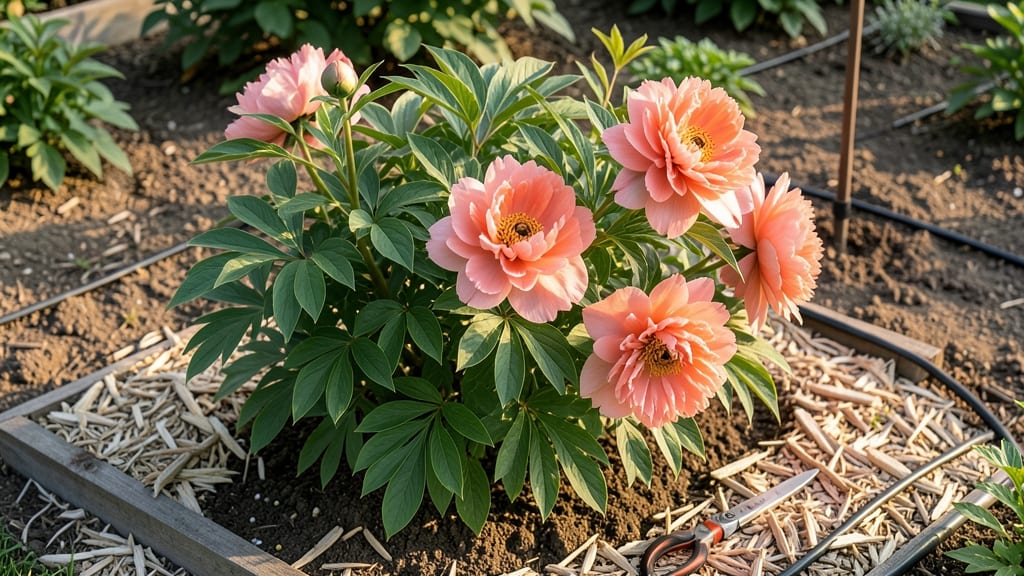
Peony shrub care starts with understanding their stubborn charm—these cold-hardy beauties reward patience with decades of blooms if you get their basics right. 🌸 I’ve watched mine multiply over 10 years, their lush foliage turning golden in autumn, then returning stronger each spring.
The secret isn’t complicated: they thrive on neglect almost as much as attention, but a few key steps keep them looking their best.
Your peonies need full sun (6+ hours daily) and well-draining soil—amend heavy clay with compost if needed. Water deeply once a week once established, but never let them sit in soggy soil. Mulch in winter to protect roots from freeze-thaw cycles, and avoid fertilizing heavily (they’re not hungry plants).
The real magic happens in late winter/early spring when you prune dead stems down to the ground—this clears space for next year’s blooms.
You’ll know you’re doing it right when your bushes burst with 2-3 foot stems by May, each topped with velvety blooms that last weeks. Peonies handle drought and pests better than most shrubs, but watch for bud blast (blackened buds) which means winter moisture got trapped.
The payoff? A garden centerpiece that grows more beautiful with age, requiring almost no effort after the first few years.
Works in zones 3-8, from city gardens to rural landscapes—just give them space (they spread slowly but steadily). Here’s how to keep them thriving through every season without the fuss.
📚 In This Guide
- What you need
- Instructions
- Tips and common mistakes
- Wrapping up and next steps
What you need
- ● Peony roots or bare-root plants: Choose disease-resistant varieties (e.g., 'Sarah Bernhardt' or 'Kansas'). Quantity: 1–3 plants per desired cluster (they multiply over time!).
- ○ Well-draining soil: Mix 1 part compost with 2 parts garden soil (peonies hate soggy roots!). Optional: Add perlite or sand for extra drainage.
- ● Garden fork or tiller: For amending heavy or clay soil.
- ● Gloves (heavy-duty): Peony roots have thorns—protect your hands! 🛡️
- ● Pruning shears (bypass, sharp): For post-bloom cleanup (sterilize with rubbing alcohol between cuts).
- ● Mulch (organic): 2–3 inches of shredded bark, straw, or wood chips to insulate roots in winter.
- ● Watering can or hose with soaker nozzle: Peonies need 1–1.5 inches of water weekly (drip irrigation works best).
- ○ Fertilizer (balanced, low-nitrogen): 5-10-10 or 10-20-20 (apply in early spring, after new growth emerges). Optional: Bone meal for phosphorus boost.
- ● Cage or trellis: For climbing peony varieties (e.g., Paeonia suffruticosa).
- ● Plant support stakes: To prop up floppy stems if needed.
- ● Soil pH test kit: Peonies prefer 6.0–7.0 pH; amend with lime or sulfur if necessary.
- ● Systemic fungicide: (e.g., copper spray) for prevention of Botrytis blight in humid climates.
- ● Reflective mulch (black plastic): In very cold zones (e.g., USDA 3–4) to protect roots from extreme temps.
Step-by-step guide to peony shrub care
Here's how to keep your peonies thriving for decades with minimal fuss.
🌱 Step 1: Plant in the Right Spot for Long-Term Success
Peonies demand full sun—at least 6-8 hours daily—and rich, well-draining soil. I always dig the planting hole twice as wide as the root ball but only as deep as the top of the roots—burying too deep smothers the plant and prevents blooms. Work in a handful of bone meal or compost into the bottom of the hole to give roots a nutrient boost right away.
Spread the roots gently without bending them. The "eyes" (buds) should sit just 1-2 inches below soil level. If planted deeper, they won't bloom for years. Water deeply after planting to settle the soil and eliminate air pockets around the roots. Mulch with 2-3 inches of organic mulch (like shredded bark) to retain moisture and protect roots from winter temperature swings.
☀️ Step 2: Water Deeply and Infrequently
Peonies hate soggy roots but need consistent moisture during their first growing season. Water 1-2 times weekly until established, aiming for 1-1.5 inches of water per week. The key is deep watering—soak the soil until water runs out the bottom of the drainage area. You'll know you've done it right when the top 3-4 inches of soil stay moist but not waterlogged.
Once established (after 2-3 years), peonies become drought-tolerant. I water mine only during prolonged dry spells, checking soil moisture by sticking my finger 2 inches down. If it feels dry, that's your cue. Overwatering in mature plants causes root rot and weakens stems—something I learned the hard way when my first peony collapsed after a summer of daily watering.
✂️ Step 3: Prune Correctly to Encourage More Blooms
Timing is everything with peony pruning. Wait until late spring or early summer—after the foliage has died back naturally—before cutting anything. Never prune in fall or winter, as this removes next year's flower buds. Use clean, sharp pruners to cut stems back to 6-12 inches above the ground, leaving a few leaves to photosynthesize and feed the roots.
I always leave a few stems uncut each year to study their natural decline. This helps me spot pests or diseases early. Remove any dead, diseased, or weak stems immediately, but never cut healthy stems back more than one-third of their height. The goal is to maintain the plant's energy balance—too much pruning stresses peonies and reduces flowering.
⏰ Step 4: Protect from Winter's Harshest Elements
Peonies are famously cold-hardy, but young plants or harsh winters need extra protection. In Zone 4 or colder, mound 4-6 inches of mulch around the base after the ground freezes. I use straw or shredded leaves because they insulate better than bark. Avoid piling mulch against the stems—this traps moisture and causes rot.
In late winter, when new shoots appear (usually February-March), remove the mulch mound but leave the base layer. This gradual exposure prevents shock. Watch for mouse damage—they love gnawing on peony buds. I wrap young plants in wire mesh during winter to keep critters away without smothering the plant.
🌿 Step 5: Feed and Refresh Soil Annually
Peonies are heavy feeders but respond poorly to fresh manure or high-nitrogen fertilizers. In early spring, before new growth appears, sprinkle 2-3 tablespoons of 5-10-10 fertilizer around the base and water it in. I also top-dress with 1-2 inches of compost annually to improve soil structure over time.
Every 3-5 years, divide mature peony clumps in early fall to rejuvenate growth. Dig up the plant, separate the roots into sections with 3-5 eyes each, and replant immediately. This prevents overcrowding and ensures stronger blooms. The first year after dividing, you might see fewer flowers—but the plant will reward you with vigor for the next decade.
Tips & tricks for perfect peony shrub care
A few simple strategies will help your peonies thrive for decades with minimal effort.
Sunlight Strategy: While 6-8 hours of sunlight is ideal, peonies can tolerate slightly less in cooler climates. If you're in a hotter zone, provide afternoon shade during peak summer months to prevent stress. I've seen peonies in partial shade still bloom beautifully, though they may produce fewer flowers. The key is consistent light exposure—avoid moving plants once established, as they resent being transplanted.
Soil Preparation: Before planting, mix a handful of bone meal or compost directly into the planting hole for that initial nutrient boost. This isn't just about feeding the plant—it also improves soil structure, which peonies love. I always test my soil first using a simple pH kit (aim for 6.5-7.0) because peonies hate acidic soil. If your soil is too acidic, add a sprinkle of lime to the planting hole before adding the root ball.
Watering Wisdom: The 1-2 inches of water per week guideline works best with deep watering techniques. Use a rain gauge or tuna can to measure water accurately—eyeballing it often leads to overwatering. I've found that watering in the morning gives foliage time to dry before evening, reducing fungal risks. For container-grown peonies, ensure pots have drainage holes and never let them sit in saucers of water.
Winter Protection: In Zone 4 or colder, I go beyond the basic mulch mound by adding a layer of evergreen boughs over the mulch for extra insulation. This creates a microclimate that protects tender roots from extreme temperature swings. The wire mesh trick for mouse protection works wonders—just make sure it's secured tightly and removed in early spring before new growth appears. I've saved multiple plants from rodent damage using this simple method.
Pro Tips for Peony Shrub Care
- A few simple strategies will help your peonies thrive for decades with minimal effort.
- Sunlight Strategy: While 6-8 hours of sunlight is ideal, peonies can tolerate slightly less in cooler climates. If yo...
- Soil Preparation: Before planting, mix a handful of bone meal or compost directly into the planting hole for that ini...
Frequently asked questions
Got questions about keeping your peony shrubs thriving? Here are some of the most common concerns—plus straightforward answers to help you grow confidently!
When is the best time to plant peony shrubs?
Plant peonies in early fall or late winter (before buds swell) for the best root establishment. Avoid transplanting in spring or summer—hot weather stresses the roots. If you must plant in summer, do it on a cool, overcast day and keep soil moist for 2–3 weeks afterward.
Are peonies truly cold-hardy? How do I protect them in winter?
Yes! Peonies are extremely cold-resistant (USDA Zones 3–8) and rarely need winter protection. However, in harsh winters with little snow, mulch with 2–3 inches of straw or shredded leaves around the base (but not over the crown) to prevent heaving. Remove mulch in early spring.
Why aren’t my peony flowers opening this year?
Peonies often take 2–3 years to mature and bloom after planting. If established shrubs skip flowers, check for:
- Too much nitrogen (fertilizer) – use a low-nitrogen, high-phosphorus blend instead.
- Overly wet soil – improve drainage or plant on a slight mound.
- Crowded roots – divide clumps every 5–7 years in fall.
What pests or diseases should I watch for?
Peonies are generally pest-resistant, but keep an eye out for:
- Peony botrytis blight (gray mold on buds) – space plants for airflow and remove infected blooms.
- Japanese beetles – handpick or use neem oil.
- Peony leaf blight – avoid overhead watering and prune for circulation.
Can I grow peonies in containers? What’s the best setup?
Yes! Use a large container (18"+ diameter) with well-draining soil (mix garden soil with perlite). Choose a tree peony (more compact) or dwarf herbaceous types. Place in full sun and water consistently—containers dry out faster. Divide roots every 3–4 years to prevent overcrowding.
How long do peony shrubs live, and when should I divide them?
Peonies can live for decades (some over 100 years!) but benefit from division every 5–7 years to rejuvenate blooms. The best time is early fall:
- Dig up the clump and separate into sections with 3–5 eyes each.
- Replant divisions immediately or store roots in a cool, dark place for spring.
Wrapping up and next steps
Caring for your peony shrub is a rewarding journey that brings vibrant blooms and lush foliage year after year! With the right balance of sunlight, soil prep, pruning, and seasonal attention, you’ll enjoy their cold-hardy beauty for decades.
Remember, patience is key—peonies thrive with consistency, and soon, your garden will be bursting with romantic, fragrant flowers that turn heads.
Ready to watch your peony flourish? Grab your gardening gloves and visit our guide on designing a peony-friendly garden layout—your next step to a stunning, low-maintenance landscape! 🌸✨