
Shrubs
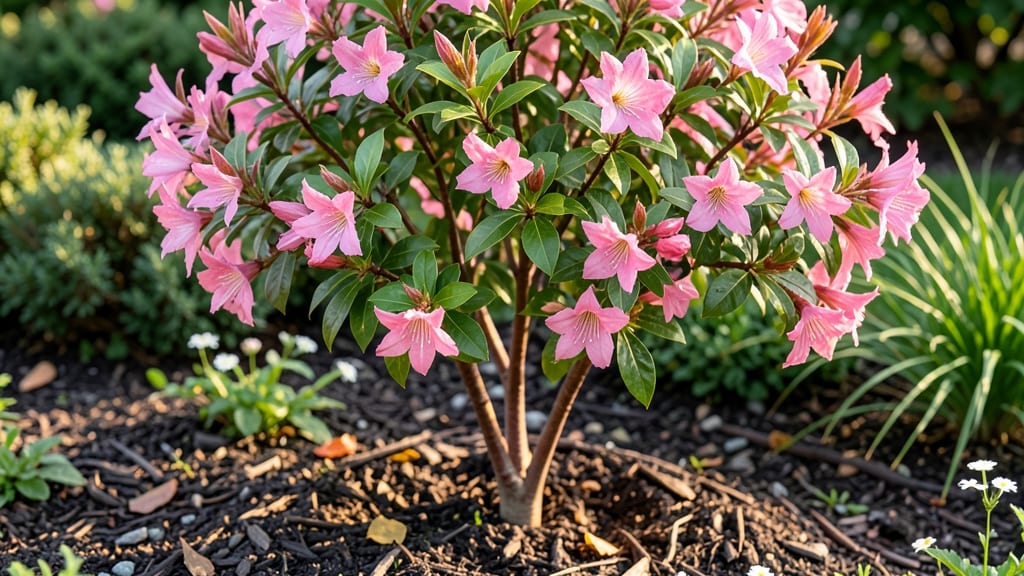
Pink weigela flowering shrubs turn your yard into a nonstop show with their thorn-free pink blooms that last from spring to fall. 🌸 I've grown these for years, and they're the secret weapon for adding color without the fuss of thorny roses or high-maintenance perennials.
They thrive in zones 4-8, handle heat and humidity, and even bounce back after winter. The key is planting in full sun with well-draining soil—no fancy amendments needed. Water deeply once established, and you'll see those trumpet-shaped flowers appear within 2-3 years of planting.
Once they're happy, they practically bloom themselves. Prune right after flowering to keep them compact, and watch as they fill out with glossy green leaves. The best part? They attract hummingbirds all season long. Perfect for hedges, borders, or even as a standalone specimen.
Here's how to keep yours looking its best year after year.
📚 In This Guide
- What you need
- Instructions
- Tips and common mistakes
- Wrapping up and next steps
What you need
- ● Pink Weigela shrub: Choose a healthy, disease-resistant variety like 'Wine & Roses' or 'Pink Dawn' (1-3 plants, depending on desired size).
- ● Well-draining potting mix: 5-10 gallons (for containers) or amend native soil with compost (2-3 inches mixed into top 12 inches of soil).
- ● Organic mulch: 2-3 inches of pine bark or shredded leaves to retain moisture and suppress weeds.
- ● Slow-release fertilizer: 10-10-10 or balanced organic fertilizer (1-2 cups per plant at planting time).
- ● Pruning shears: Bypass pruners (sharp, clean, and sanitized with rubbing alcohol).
- ● Garden trowel or spade: For digging holes (12-18 inches wide/deep for mature plants).
- ○ Watering can or hose with nozzle: Drip irrigation (optional but ideal for consistent moisture).
- ● Gloves: Heavy-duty gardening gloves to protect hands from thorns (though Weigela is thorn-free, nearby plants may have them!).
- ○ Stakes or plant supports: (Optional) For young shrubs in windy areas (3-4 stakes per plant).
- ● Sunlight: Full sun to partial shade (6+ hours of direct sun daily for optimal blooms).
- ● Soil pH: Slightly acidic to neutral (6.0–7.0). Test soil with a pH kit if unsure.
- ● Spacing: 3–5 feet apart (varies by variety; check plant tag).
- ● Timing: Plant in early spring or fall (avoid extreme heat or frost).
- ● Epsom salt: 1 tablespoon per gallon of water (monthly for magnesium boost during blooming season).
- ● Decorative rocks or edging: For a polished garden bed look.
- ● Bird feeders: Weigela attracts hummingbirds—add one nearby for extra charm! 🐦
Step-by-Step guide to planting and caring for pink weigela
Here's how to grow a stunning pink weigela that blooms reliably year after year with minimal fuss.
🌱 Step 1: Choose the Perfect Planting Location
Weigela thrives in full sun to partial shade, with at least 4-6 hours of direct sunlight daily. I always pick a spot with morning sun and afternoon shade in hot climates—this prevents leaf scorch while ensuring vibrant blooms. Avoid areas where water pools after rain; weigela hates soggy roots.
The plant grows 6-10 feet wide and tall, so give it space to spread without crowding nearby plants. If your yard has limited space, consider a dwarf variety that stays under 4 feet tall. Test your soil's pH—weigela prefers 6.0-7.0, and you can adjust with lime or sulfur if needed.
🪴 Step 2: Prepare the Soil and Plant Your Weigela
Dig a hole twice as wide as the root ball but only as deep as the container's bottom. Loosen the roots gently if they're circling—this encourages outward growth instead of struggling to break free. Amend the native soil with 2-3 inches of compost mixed into the bottom and sides of the hole.
Place the plant in the hole so the top of the root ball sits 1 inch above ground level. This prevents water from pooling around the stem, which can cause rot. Backfill with the amended soil, tamping lightly as you go to remove air pockets. Water deeply right after planting to settle the soil and eliminate gaps.
☀️ Step 3: Water and Mulch for Healthy Growth
Keep the soil consistently moist but not soggy for the first 2-3 weeks—you'll see new growth within 3-4 weeks if conditions are right. Water at the base of the plant rather than overhead to protect the leaves from fungal diseases. A 1-2 inch layer of mulch around the base retains moisture and regulates soil temperature.
Here's the thing—weigela is drought-tolerant once established, but young plants need consistent moisture. I check soil moisture by sticking my finger 2 inches deep; if it feels dry, it's time to water. Avoid wetting the foliage, especially in humid climates, to prevent powdery mildew.
✂️ Step 4: Prune for More Blooms and Shape
The best time to prune is right after flowering, typically in late spring or early summer. Remove any dead, damaged, or crossing branches first—this opens up the center for better airflow. Then, cut back 1/3 of the oldest stems to the ground to encourage new growth and more flowers next season.
For shaping, trim back any leggy growth to maintain a balanced form. Weigela blooms on new wood, so don't be afraid to prune aggressively—it rewards you with even more vibrant pink flowers. Wear gloves if you're sensitive to sap, as it can irritate skin.
🌿 Step 5: Feed and Protect for Year-Round Beauty
Apply a balanced, slow-release fertilizer in early spring before new growth appears. I use a 10-10-10 formula at half strength to avoid burning the roots. Fertilize again in mid-summer if your weigela looks less vigorous, but skip fertilizing in fall or winter—this encourages tender growth that won't survive cold snaps.
Watch for pests like spider mites or aphids, which love weigela's tender new growth. A strong spray of water usually dislodges them, but for stubborn infestations, use an insecticidal soap. In winter, protect young plants or those in colder zones with a 3-4 inch layer of mulch to insulate the roots from freezing temperatures.
Tips & tricks for perfect pink weigela planting and care
Here's what nobody tells you about growing showstopping pink weigela that blooms like crazy—these are my battle-tested secrets!
Sunlight Strategy: That 4-6 hours of sunlight? Think of it as the plant's golden hour. If you're in a hotter climate, I've found that positioning the weigela to catch morning sun and afternoon shade prevents leaf scorch while still giving those pink blooms the energy they need. Trust me, the difference between a sad little plant and a thriving beauty is often just that morning sun placement!
Root Ball Rescue: When you're loosening those circling roots in Step 2, don't just pull at them—tease them apart gently with your fingers. I've seen people snap roots trying to force them apart, which stresses the plant. Think of it like untangling headphones: patience pays off with stronger root development that spreads outward instead of struggling upward.
Watering Wisdom: The 2-3 weeks of consistent moisture is non-negotiable, but here's the thing about weigela: it's actually quite forgiving once established. I've had plants survive summer droughts, but young ones? They'll let you know when they're thirsty by wilting. That's your cue to water—stick your finger 2 inches deep and if it feels dry, give it a good drink. The key is watering at the base, not overhead, to keep those pretty pink blooms dry and disease-free.
Pruning Payoff: That 1/3 of oldest stems you're supposed to cut back? Don't be shy! I've pruned back entire branches in my most aggressive weigela and still gotten amazing blooms the next season. The secret is timing—right after flowering when the plant has stored up energy. And here's a bonus: those cut stems make fantastic cut flowers for your vase!
Pro Tips for Pink Weigela Flowering Shrub
- Here's what nobody tells you about growing showstopping pink weigela that blooms like crazy—these are my battle-teste...
- Sunlight Strategy: That 4-6 hours of sunlight? Think of it as the plant's golden hour. If you're in a hotter climate,...
- Root Ball Rescue: When you're loosening those circling roots in Step 2, don't just pull at them—tease them apart gent...
Frequently asked questions
Got questions about your pink weigela flowering shrub? You’re not alone! Here are answers to the most common queries to help you grow a thriving, vibrant plant with ease.
When is the best time to prune pink weigela for maximum blooms?
Prune your weigela after it finishes flowering in late spring or early summer. Avoid heavy pruning in fall or winter, as it removes next year’s blooms. Light shaping in late winter (before buds swell) is fine, but skip deadheading—it encourages more flowers!
Why are my weigela leaves turning yellow or dropping?
Yellow leaves often signal overwatering, poor drainage, or fungal issues like powdery mildew. Check soil moisture (it should be evenly damp, not soggy) and improve airflow. If mildew appears, treat with neem oil. Pro tip: Weigelas tolerate drought once established—don’t overdo it!
Is pink weigela cold-hardy? Can it survive winter in my zone?
Yes! Pink weigela thrives in USDA Zones 4–8. In colder zones (4–5), mulch the base with 2–3 inches of organic material (like shredded bark) to protect roots. Young plants may need winter wrap in harsh climates, but mature shrubs handle frost like a champ.
What are some great alternatives if I want a thorn-free shrub with similar color?
If you love pink blooms but want fewer thorns, try:
- Abelia (Abelia × grandiflora): Thorn-free, fragrant flowers, and evergreen foliage.
- Dwarf Butterfly Bush (Buddleia davidii ‘Nanho Blue’): Compact, butterfly magnet, and low-maintenance.
- Spirea (Spiraea japonica ‘Goldflame’): No thorns, heat-tolerant, and blooms all summer.
How fast does pink weigela grow, and how big will it get?
Weigelas grow 12–24 inches per year and typically reach 5–8 feet tall and wide at maturity. For smaller gardens, prune regularly to keep it under 4 feet. Fun fact: Their fast growth makes them perfect for quick privacy screens or hedges!
Wrapping up and next steps
The pink weigela isn’t just a pretty face—it’s a year-round workhorse for your garden, blending effortless beauty with low-maintenance charm. Whether you’re drawn to its vibrant blooms, thorn-free branches, or adaptable nature, this shrub delivers joy with minimal fuss.
Ready to transform your outdoor space? Snag a cutting or seedling today, give it some sun and love, and watch your garden bloom with pink perfection! 🌸