
Shrubs
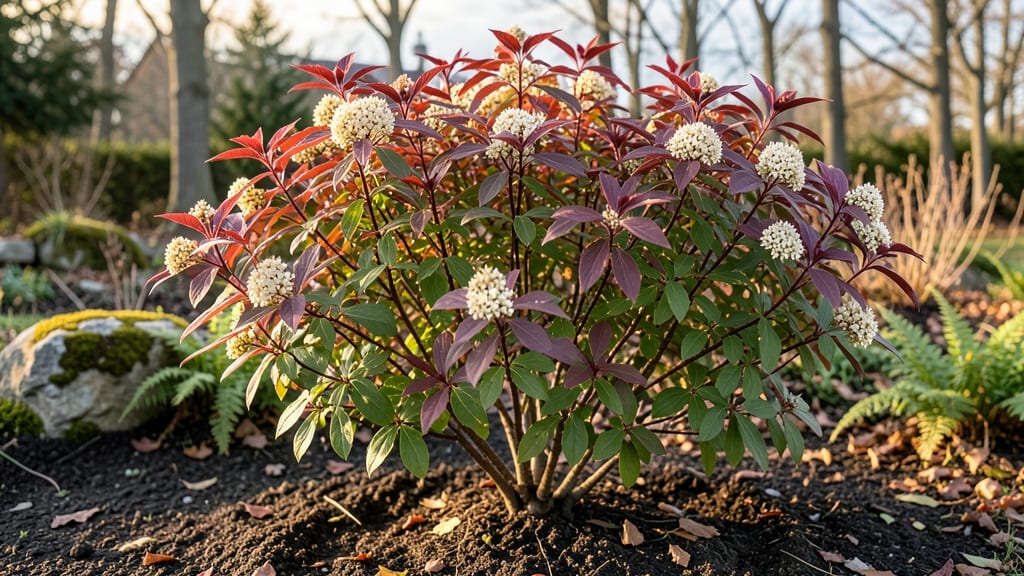
Red color shrubs transform gardens into bold statements—think fiery foliage, glossy berries, and vibrant blooms that stop passersby in their tracks. 🌿 I’ve designed countless gardens where these shrubs create drama, from fiery Cotoneaster hedges to striking Pyracantha berry clusters that feed birds all winter. The key? Pairing them with the right companions to make colors pop and seasons shine.
These shrubs thrive in full sun to partial shade, with most handling poor soil better than many perennials. Cornus sericea (red-twig dogwood) delivers year-round interest—sleek red stems in winter, white flowers in spring, and red berries in fall.
For low-maintenance hedges, Pyracantha’s thorny branches deter deer while its berries attract pollinators. Plant them in borders, focal points, or mixed shrub beds for maximum impact.
Combine red shrubs with silver foliage (like lamb’s ear) or deep purple (such as smoke bush) for stunning contrast. Add white or yellow flowers nearby to make the reds sing—think spirea or butterfly bush.
The result? A garden that feels alive, intentional, and effortlessly vibrant from spring through frost.
Pro tip: Prune Pyracantha and Cotoneaster after blooming to encourage dense growth, while Cornus benefits from winter pruning to highlight those striking red stems. For pollinators, let some berries stay—birds and bees will thank you. Ready to make your garden a year-round masterpiece?
📚 In This Guide
- What you need
- Instructions
- Tips and common mistakes
- Wrapping up and next steps
What you need
- ● Red shrubs: Choose from 2–5 plants of these bold varieties (quantities depend on garden size): Cotoneaster (e.g., Cotoneaster dammeri)
- ● Barberry (Berberis thunbergii ‘Rose Glow’)
- ● Smoke bush (Cotinus coggygria ‘Royal Purple’)
- ● Ninebark (Physocarpus opulifolius ‘Little Devil’)
- ● Weigela (Weigela florida ‘Wine & Roses’)
- ● Soil amendments: 1–2 bags compost (for nutrient-rich soil)
- ● 1 lb slow-release fertilizer (10-10-10 or organic option)
- ● Planting tools: 1 trowel (for digging)
- ● 1 garden fork (for amending soil)
- ● 1 watering can or hose (with adjustable nozzle)
- ● Mulch: 2–3 bags organic mulch (e.g., shredded bark or pine needles)
- ● Pruning shears (for shaping or maintenance)
- ● Plant tags (to label varieties)
- ● Epsom salt (for magnesium boost in soil)
- ● Pollinator-friendly companion plants (e.g., bee balm or salvia)
How to design a striking red shrub garden for year-round impact
Here's how I create vibrant red shrub displays that thrive, attract pollinators, and deliver seasonal drama.
🌿 Step 1: Select Shrubs for Seasonal Red Impact
Choose plants that offer red foliage, flowers, or berries across seasons. My go-to evergreen options include Ilex crenata 'Sky Pencil' for glossy red berries and Pieris japonica 'Little Heath' for spring red blooms. For deciduous drama, Cornus sericea 'Flaviramea' delivers fiery red stems in winter while Viburnum bodnantense 'Dawn' bursts with winter red flowers.
Consider mature size—place 6-8 foot shrubs like Cotoneaster dammeri 'Royal Purple' as focal points, while 3-4 foot varieties like Lonicera nitida 'Baggesen's Gold' (golden foliage but red berries) work as borders. I always include at least one red-leaved plant like Euonymus alatus 'Compactus' to maintain visual interest when others are dormant.
☀️ Step 2: Position for Optimal Light and Seasonal Effects
Most red shrubs thrive in full sun to partial shade—place evergreens like Ilex and Pieris where they'll receive 6+ hours of sun for best berry/flower production. Deciduous red-stemmed shrubs like Cornus can handle morning sun with afternoon shade to prevent leaf scorch.
For winter interest, position red-stemmed dogwoods where their crimson canes contrast against evergreens. I group plants with similar light needs together—this prevents the "checkerboard" look where some plants struggle while others thrive. Always check the tag for specific light requirements before planting.
🪴 Step 3: Plant with Proper Spacing for Mature Growth
Dig holes twice as wide as the root ball but only as deep. Amend native soil with 2-3 inches of compost mixed into the bottom of the hole—this improves drainage and provides nutrients. Place the shrub so the top of the root ball sits 1 inch above ground level (this prevents rot as soil settles).
Space evergreens 4-6 feet apart for airflow and light penetration, while deciduous shrubs can go 3-5 feet apart depending on their mature width. I mark planting locations with stakes before digging—this prevents overcrowding that leads to disease. Water deeply immediately after planting to eliminate air pockets in the soil.
💧 Step 4: Water and Mulch for Long-Term Vibrancy
Water newly planted shrubs twice weekly for the first month, then taper to once weekly once established. You'll know they're getting enough moisture when the top 2 inches of soil feel slightly damp but not soggy. Red foliage plants often need consistent moisture—let them dry out completely and they'll lose their color intensity.
Apply 3 inches of mulch (cypress or pine bark) around the base, keeping it 2 inches away from stems to prevent rot. Replenish mulch annually in spring—this maintains soil moisture, regulates temperature, and suppresses weeds. I avoid thick mulch layers that can smother roots and create anaerobic conditions.
✂️ Step 5: Prune Strategically for Shape and Seasonal Interest
Prune most red shrubs immediately after flowering (except winter-blooming varieties like Viburnum bodnantense, which I prune in late spring). Remove 1/3 of oldest stems annually to encourage new growth and maintain the plant's natural shape. For red-stemmed dogwoods, I prune in early spring before new growth emerges to preserve the striking canes.
Never prune into old wood—this removes next year's flower buds. I use clean, sharp pruners and make cuts at a 45-degree angle just above a bud. For sheared shrubs like Ilex crenata, I do a light trim in late winter to maintain their formal shape before spring growth begins.
🐝 Step 6: Feed and Protect for Pollinator Power
Apply a balanced 10-10-10 fertilizer in early spring when new growth appears, then again in mid-summer for a second flush of blooms. Red-flowering shrubs like Viburnum and Pieris attract hummingbirds and bees—place them near seating areas or pathways where you can enjoy the activity. I avoid high-nitrogen fertilizers that promote leafy growth at the expense of flowers.
Watch for aphids on new growth and scale insects on stems—red foliage can attract these pests. Spray with neem oil at the first sign of infestation. For fungal issues like powdery mildew, improve airflow by pruning interior branches and water at the base rather than overhead. A healthy red shrub garden requires both beauty and vigilance.
Tips & tricks for stunning red shrub gardens
Creating a vibrant red shrub garden isn't just about planting—it's about strategic choices that keep your display thriving year-round. Here's what I've learned from years of designing bold, pollinator-friendly landscapes.
Seasonal Layering: The key to year-round drama lies in layering plants with different seasonal highlights. Evergreens like Ilex crenata 'Sky Pencil' provide winter berries, while Cornus sericea 'Flaviramea' delivers winter stem color. For spring interest, add Pieris japonica 'Little Heath' with its fiery red blooms, and Viburnum bodnantense 'Dawn' for winter flowers. This layered approach ensures you always have something striking to showcase, even when some plants are dormant.
Light Placement Strategy: I've found that positioning red-stemmed dogwoods against evergreens creates the most dramatic winter contrast. Place them where their crimson canes will stand out against dark green foliage. For evergreens like Ilex, give them 6+ hours of direct sun to maximize berry production, while deciduous varieties can handle morning sun with afternoon shade to prevent leaf scorch. This thoughtful placement prevents the "checkerboard" effect where some plants thrive while others struggle.
Pruning Precision: Timing is everything when pruning red shrubs. Most should be pruned immediately after flowering, but winter-blooming varieties like Viburnum bodnantense need late spring pruning. I always remove 1/3 of oldest stems annually to encourage new growth while maintaining the plant's natural shape. For sheared shrubs like Ilex crenata, a light trim in late winter keeps their formal appearance before spring growth begins. The 45-degree angle cuts just above buds are crucial—they promote better regrowth and maintain that clean, professional look.
Pest Prevention: Red foliage plants attract aphids and scale insects, so vigilance is key. I've had the most success with neem oil sprays at the first sign of infestation. For fungal issues like powdery mildew, I focus on improving airflow through strategic pruning and watering at the base rather than overhead. This simple adjustment has dramatically reduced fungal problems in my gardens while maintaining that vibrant red color intensity that makes these shrubs so special.
Pro Tips for Red Color Shrubs
- Creating a vibrant red shrub garden isn't just about planting—it's about strategic choices that keep your display thr...
- Seasonal Layering: The key to year-round drama lies in layering plants with different seasonal highlights. Evergreens...
- Light Placement Strategy: I've found that positioning red-stemmed dogwoods against evergreens creates the most dramat...
Frequently asked questions
What are the best low-maintenance red shrubs for beginners?
Start with Cotoneaster, Abelia, or Weigela—they’re tough, thrive in full sun to partial shade, and offer year-round interest. Dwarf ninebark (Physocarpus) is another winner; it’s drought-tolerant and blooms in spring with fiery red foliage. Pro tip: Plant in well-draining soil and mulch to retain moisture.
When is the best time to plant red shrubs for maximum impact?
Spring (after the last frost) or early fall (6 weeks before your first frost) are ideal. Why? Cooler temps reduce transplant shock, and shrubs establish roots before extreme weather. Hot tip: Avoid planting in summer’s scorching heat—it stresses young shrubs.
Can I mix red shrubs with other colors for a dramatic effect?
Pair red shrubs like Hydrangea ‘Limelight’ (with lime-green blooms) or Smokebush (Cotinus) with purples, whites, or silvers for stunning contrast. Design tip: Use odd-numbered groupings (3 or 5 plants) for visual balance.
Do red shrubs attract pollinators, or should I add extra plants?
Many red shrubs (like Butterfly Bush or Viburnum) are pollinator magnets! For extra buzz, interplant with bee-friendly flowers like coneflowers or salvias. Bonus: Red hues also draw hummingbirds—double the wildlife action!
My red shrub leaves are turning brown—what’s wrong?
Brown leaves often signal overwatering, underwatering, or pests. Check soil moisture (it should be dry 1–2 inches down) and inspect for spider mites or scale insects. Fix it: Trim affected branches, adjust watering, and spray with neem oil if pests are present.
Are there any red shrubs that thrive in shade?
Yes! Try Pieris Japonica (with fiery new growth), Rhododendron ‘Catawbiense Grandiflorum’, or Heuchera (for bold foliage). Shade tip: Plant in rich, acidic soil and mulch heavily to retain moisture.
Wrapping up and next steps
Transforming your garden into a vibrant, pollinator-friendly haven with red shrubs is easier—and more rewarding—than you think! 🌸 From fiery Cotinus to bold Hydrangea, these plants bring drama, texture, and life to any outdoor space.
Whether you’re a seasoned gardener or just starting, these striking shrubs are a game-changer for color, wildlife support, and curb appeal.
Ready to take the next step? Sketch a quick layout of your garden, then visit your local nursery to pick out your favorites. Pro tip: Pair red shrubs with complementary greens or purples for maximum impact! 🎨✨