
Blooming
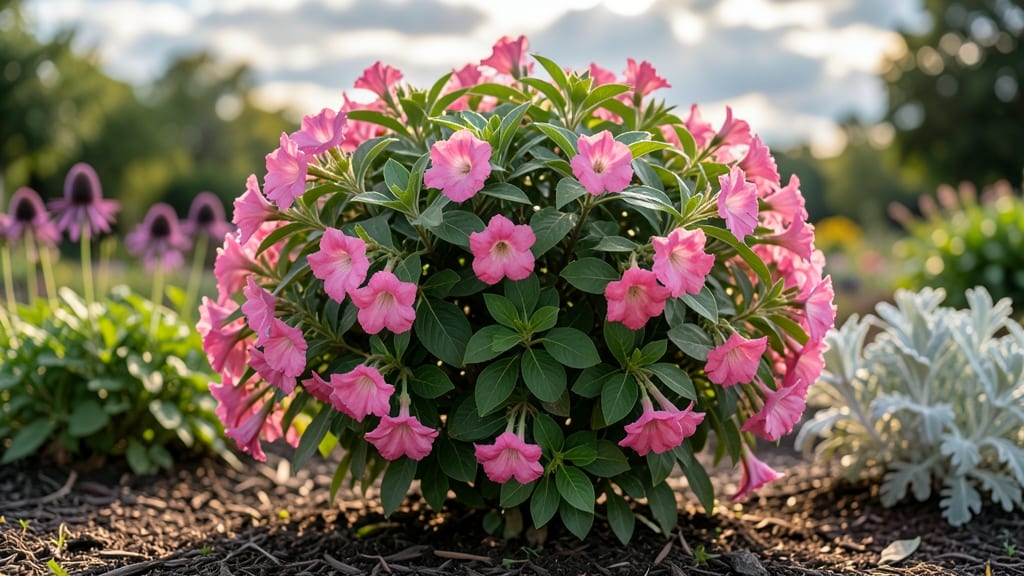
Growing Sonic Bloom Pink Weigela means waking up to a shrub that looks like it's on fire with vibrant pink blooms all season long. 🌸 I fell in love with this variety after my neighbor’s Weigela became the star of our street—its fragrant, trumpet-shaped flowers drew hummingbirds like magnets and kept blooming until frost.
The secret to replicating that showstopping display lies in the details: soil prep, pruning timing, and a few simple care tricks that most gardeners miss.
This shrub thrives in full sun to partial shade and tolerates a range of soils, but it rewards you most when planted in well-draining, slightly acidic soil with a touch of compost.
Space plants 4-6 feet apart to give them room to grow into their lush, rounded shape—overcrowding leads to leggy stems and fewer flowers. Water deeply once established, but avoid soggy roots, which can invite fungal problems.
A balanced fertilizer in early spring kickstarts those year-round blooms, and I’ve found that a light feeding in late summer keeps the flowers coming.
Pruning is where the magic happens—or where things go wrong. The key is pruning right after flowering (late spring to early summer) to shape the shrub and encourage new growth.
Cut back to an outward-facing bud to maintain that perfect rounded form, and never remove more than one-third of the plant at a time. With proper pruning, you’ll end up with a dense, fragrant canopy that smells like spring all year, not just in bursts of summer color.
Even my black thumb can’t kill this shrub when I follow these steps.
For those first-time growers, here’s the game-changer: Weigelas are drought-tolerant once established, so they’re perfect for busy gardeners. Just watch for aphids (they love Weigelas too) and powdery mildew in humid climates—neem oil or a strong spray of water usually clears them up.
And if your Weigela starts looking sparse? It’s probably hungry for sunlight or needs a harder prune next season. With these tips, you’ll have a pink cloud of blooms that turns heads—and maybe even wins you a neighborhood bragging rights award.
📚 In This Guide
- What you need
- Instructions
- Tips and common mistakes
- Wrapping up and next steps
What you need
- ● Sonic Bloom Pink Weigela shrub: 1 healthy, 1-gallon or 3-gallon container plant (check for vibrant pink buds and lush foliage!)
- ● Well-draining potting mix: 1 bag (1.5–2 cubic feet) of high-quality garden soil amended with perlite or compost (50/50 ratio for best drainage)
- ● Planting hole: Dig a hole twice as wide and slightly shallower than the root ball
- ● Organic mulch: 2–3 inches of shredded bark, pine straw, or wood chips to retain moisture and suppress weeds
- ● Balanced fertilizer: 10-10-10 or 20-20-20 (slow-release granules or liquid) for initial feeding
- ● Watering can or hose: With a gentle spray nozzle for post-planting hydration
- ○ Gloves and knee pads: For comfort during planting (optional but highly recommended!)
- ● Hand trowel or shovel: For digging and amending soil
- ● Pruning shears: Sharp, sterilized shears (for shaping or propagating)
- ○ Garden twine or stakes: (Optional) To support young plants if needed
- ● Sunlight checklist: Ensure your planting spot gets full sun (6+ hours/day)—Weigelas thrive in warmth!
- ● USDA Hardiness Zone 4–9: Confirm your climate zone matches the shrub’s needs (check USDA Plant Hardiness Zone Map)
- ● 🌡️ Soil temp: Wait until soil is at least 50°F (10°C) before planting to avoid root shock.
- ● ✨ Pruning hack: Trim back 1/3 of the oldest stems after flowering to encourage bigger, bushier blooms next year!
- ● 💧 Watering: Keep soil consistently moist (not soggy) for the first 2 weeks post-planting.
Step-by-step planting guide for Sonic Bloom Pink Weigela
Here’s how to establish your fragrant pink Weigela for a showstopping, low-maintenance display that blooms reliably year after year.
🪴 Step 1: Select the Perfect Planting Site
Choose a location with full sun to partial shade—at least 6 hours of direct sunlight daily—for optimal flowering. Sonic Bloom thrives in well-draining soil with a pH between 5.0 and 7.0. If your soil is heavy clay, amend it with 2-3 inches of compost mixed into the top 12 inches of soil to improve drainage and fertility.
Dig a hole twice as wide as the root ball but only as deep as the container’s base. This prevents burying the trunk too deeply, which can lead to rot. Loosen the soil around the edges of the hole with a garden fork to encourage root spread. Here’s the thing—Weigela roots are shallow but aggressive, so avoid planting near structures or sidewalks where roots could cause damage.
🌱 Step 2: Plant at the Right Depth and Water Thoroughly
Remove the Weigela from its container and gently tease apart any circling roots. Position the shrub in the hole so the top of the root ball sits 1 inch above ground level. This ensures proper drainage while allowing the roots to establish before settling. Backfill with native soil, pressing lightly to eliminate air pockets but avoiding compaction.
Water deeply immediately after planting—1-2 gallons for each shrub—to settle the soil and encourage root contact. You’ll see the soil surface darken slightly as it absorbs moisture, signaling the roots are hydrating properly. Mulch with 2-3 inches of shredded bark or wood chips, keeping it 6 inches away from the trunk to prevent moisture buildup against the bark.
☀️ Step 3: Provide Ongoing Care for Year-Round Blooms
Water deeply once a week during the first growing season, allowing the top 2-3 inches of soil to dry out between waterings. Once established, Sonic Bloom is drought-tolerant but will reward you with more abundant blooms if kept consistently moist. Fertilize in early spring with a balanced, slow-release fertilizer (10-10-10) applied at the rate of 1 pound per 100 square feet of planting area.
Prune in late winter or early spring before new growth begins. Remove dead or crossing branches, then cut back one-third of the oldest stems to encourage vigorous new growth. This keeps the shrub compact and stimulates prolonged flowering. Avoid heavy pruning in fall—it removes next year’s blooms and exposes the plant to winter damage.
✂️ Step 4: Maintain for Long-Term Health and Beauty
Monitor for aphids or spider mites, which can weaken the shrub and reduce flowering. If pests appear, spray with neem oil or insecticidal soap in the early morning or evening when beneficial insects are less active. Sonic Bloom is generally disease-resistant, but powdery mildew can occur in humid conditions. Improve airflow by spacing plants 4-6 feet apart and avoid overhead watering.
In late fall, apply a 2-3 inch layer of mulch to insulate roots and retain moisture. This protects the shrub from winter temperature fluctuations and reduces spring watering needs. Here’s what I’ve found—consistent mulching over the years keeps the soil temperature stable, which translates to earlier spring blooms and a longer flowering season.
Tips & tricks for perfect Sonic Bloom Pink Weigela planting
These insider strategies will help you cultivate a thriving Sonic Bloom Pink Weigela that exceeds expectations.
Soil Preparation Secret: Before planting, test your soil's pH using a simple soil test kit—this ensures the 5.0 to 7.0 range is accurate. I've found that amending clay soil with the recommended 2-3 inches of compost isn't enough if the pH is off. Adjust with lime to raise pH or sulfur to lower it before planting. This small step makes all the difference for root health and flowering potential.
Root Handling Technique: When teasing apart circling roots in Step 2, work gently but firmly—don't tear the roots. I like to use my fingers to carefully separate them while holding the root ball in one hand. This prevents root damage while encouraging outward growth. Remember, those shallow roots need room to spread, so take your time with this step.
Watering Wisdom: The initial 1-2 gallons of water should be applied slowly to avoid runoff. I recommend using a watering can or soaker hose to deliver water directly to the root zone. This ensures proper hydration without wasting water. After watering, check the soil moisture by sticking your finger 2 inches deep—it should feel damp but not soggy.
Pruning Precision: When cutting back one-third of the oldest stems in late winter, make clean cuts just above a bud or lateral branch. I always use sharp pruning shears to avoid tearing the bark. This technique stimulates new growth from the base while maintaining the shrub's natural shape. The result? A denser, more vigorous plant with even more abundant blooms throughout the season.
Pro Tips for Sonic Bloom Pink Weigela Shrub
- These insider strategies will help you cultivate a thriving Sonic Bloom Pink Weigela that exceeds expectations.
- Soil Preparation Secret: Before planting, test your soil's pH using a simple soil test kit—this ensures the 5.0 to 7....
- Root Handling Technique: When teasing apart circling roots in Step 2, work gently but firmly—don't tear the roots. I ...
Frequently asked questions
Got questions about growing and caring for your Sonic Bloom Pink Weigela? You’re not alone! Here are some of the most common queries—and their answers—to help you cultivate a thriving, fragrant shrub with stunning blooms.
How fast does the Sonic Bloom Pink Weigela grow?
The Sonic Bloom Pink Weigela is a fast-growing shrub, typically adding 12–24 inches per year under ideal conditions. With proper pruning and care, it can reach 5–6 feet tall and wide within 3–5 years. Plant it in a spot where it has room to spread—patience pays off with more dramatic blooms!
When is the best time to plant Sonic Bloom Pink Weigela?
For best results, plant your Weigela in early spring or fall, when temperatures are mild (between 40°F–60°F). Avoid extreme heat or frost, as these can stress the shrub. If planting in containers, you can extend the window slightly, but aim for spring to give roots time to establish before winter.
How and when should I prune my Sonic Bloom Pink Weigela?
Prune your Weigela right after flowering (late spring to early summer) to encourage more blooms next season. Remove 1/3 of the oldest stems at the base and trim back any leggy or crossing branches. Avoid heavy pruning in fall/winter—this shrub blooms on new wood, so timing matters!
Are Sonic Bloom Pink Weigelas deer-resistant? What pests should I watch for?
While not fully deer-proof, Weigelas are less appealing to deer than many other shrubs. Keep an eye out for aphids, spider mites, and Japanese beetles, which can stress the plant. A strong spray of water or insecticidal soap usually does the trick. For heavy infestations, neem oil works wonders!
Can I grow Sonic Bloom Pink Weigela in containers? What’s the best soil mix?
This shrub thrives in 5-gallon or larger containers with well-draining soil. Use a mix of potting soil, perlite, and compost (ratio: 2:1:1) to prevent root rot. Ensure the pot has drainage holes and repot every 2–3 years to refresh the soil. Place it in full sun to partial shade for best results.
Wrapping up and next steps
The Sonic Bloom Pink Weigela isn’t just a shrub—it’s a burst of joy for your garden, offering year-round color and fragrance with minimal fuss. Whether you’re a seasoned gardener or a beginner, its hardy nature and vibrant blooms make it a must-have for adding life and charm to any space.
Ready to transform your landscape? Start by choosing the perfect spot, gathering your tools, and planting with confidence. Your fragrant pink paradise awaits! 🌸✨