
Lawn
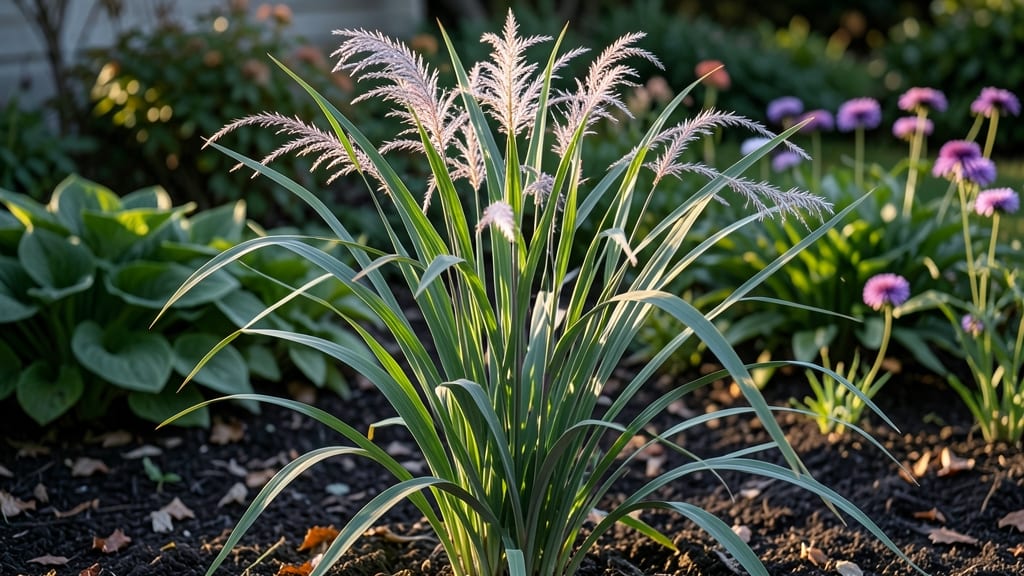
Tall grass-like shrubs like pampas grass and maiden grass create lush, thorn-free privacy that outshines traditional hedges. 🌿 I’ve used them to transform bare backyards into serene, wind-resistant screens—no more tangled barbed wire or pruning headaches. These plants thrive where roses fail, offering texture and movement even when dormant.
The secret lies in their adaptability: plant in clusters for bold impact or line a fence for height. Most varieties handle drought once established, and their feathery plumes add winter interest. My favorite, Miscanthus, turns golden in fall, while Cortaderia stays dramatic all season.
You’ll love how they soften hard edges while providing year-round screening—no messy trimming required. Pair with evergreens for structure or wildflowers for color contrast. The results? A garden that feels both wild and intentional. Perfect for urban yards, rural borders, or even container gardens on patios.
Let’s design your dream screen!
📚 In This Guide
- What you need
- Instructions
- Tips and common mistakes
- Wrapping up and next steps
What you need
- ● Tall grass-like shrubs: Choose from Miscanthus, Pennisetum, Cortaderia (pampas grass), or Andropogon (10–20 plants, depending on desired coverage). Opt for clumping varieties if you prefer less spread.
- ● High-quality potting soil or native soil mix: 5–10 bags (2–3 cubic feet each) for planting. Ensure it’s well-draining to prevent root rot.
- ● Compost or organic fertilizer: 1–2 bags (e.g., 10-10-10 or slow-release granular) to enrich the soil.
- ○ Mulch (optional but recommended): 2–3 bags of pine bark or wood chips (2–3 cubic feet) to retain moisture and suppress weeds.
- ● Garden shovel or spade: 1 medium-sized (for digging holes 12–18 inches deep).
- ● Garden trowel: 1 for transplanting smaller plants or seeds.
- ● Pruning shears or hedge clippers: 1 pair (for shaping and maintenance).
- ● Watering can or hose with a gentle spray nozzle: 1 for post-planting hydration.
- ● Measuring tape or ruler: 1 to ensure proper spacing (typically 2–4 feet apart, depending on the shrub).
- ● Garden gloves: 1 pair to protect your hands from sharp edges or thorns.
- ○ Stakes and twine (optional): For supporting young plants in windy areas.
- ● Sunlight: Ensure your chosen area gets full sun (6+ hours/day)—most grass-like shrubs thrive in bright light.
- ● Well-draining soil: Test your soil’s drainage. Amend with sand or perlite if it’s heavy clay.
- ● Water source nearby: These plants are drought-tolerant once established but need consistent watering for the first 3–4 weeks.
- ● Local climate check: Verify your USDA hardiness zone (most grass-like shrubs prefer zones 5–10).
How to plant and maintain Tall ornamental grasses for privacy
Here's the method I've used to create lush, wind-resistant screens that thrive year-round with almost no maintenance.
🌱 Step 1: Select and Prepare the Planting Site
Choose a location with full sun to partial shade—most ornamental grasses need at least 6 hours of sunlight daily for optimal growth. I always test the spot by observing how much shade it gets throughout the day, especially in summer when light patterns shift. The area should be at least 6 feet wide to create an effective privacy screen.
Clear the site of weeds and loosen the soil to a depth of 12 inches using a garden fork. Mix in 2-3 inches of compost to improve drainage and fertility. These grasses hate soggy roots, so if your soil drains poorly, consider amending with sand or planting on a slight mound. I like to mark the planting lines with stakes to ensure even spacing.
🪴 Step 2: Plant the Grasses at Proper Spacing
Dig holes twice as wide as the root ball but no deeper than the container's depth. Gently remove each plant from its pot and loosen the roots if they're circling. Place the plant in the hole so the top of the root ball sits 1 inch below the soil surface—this prevents stem rot while allowing room for growth.
Space plants 2-3 feet apart for a dense screen, but if you want faster coverage, reduce spacing to 18 inches between plants. Backfill with native soil, pressing lightly around the base to eliminate air pockets. Water deeply right after planting to settle the soil and encourage root establishment. You'll see new shoots emerging within 2-3 weeks if moisture and light conditions are right.
☀️ Step 3: Water and Fertilize for Healthy Growth
Water newly planted grasses deeply once a week for the first month, allowing the top 4 inches of soil to dry out between waterings. After establishment, most ornamental grasses are drought-tolerant once rooted, but they'll grow more vigorously with consistent moisture. I use a soaker hose to water at the base, avoiding overhead sprinkling which can promote fungal diseases.
Apply a balanced, slow-release fertilizer (10-10-10) in early spring and again in midsummer. Follow package instructions for application rates—over-fertilizing can lead to weak stems and excessive leaf growth at the expense of structural form. You'll notice healthier foliage and more robust clumping within a few weeks of proper feeding.
✂️ Step 4: Prune and Maintain Year-Round Structure
Cut back dead or damaged foliage in early spring before new growth begins. I use sharp pruners to trim back the previous year's growth by about one-third to encourage fresh, vibrant shoots. Some varieties like Miscanthus develop striking seed heads that add winter interest—leave these until late winter or early spring when they've turned completely brown.
Divide clumps every 3-4 years in early spring to maintain vigor. Dig up the entire plant, separate the root sections with a sharp spade, and replant the healthiest divisions. This prevents overcrowding and ensures your screen stays lush. Mulch around the base with 2 inches of organic mulch to retain moisture and suppress weeds—just keep it 6 inches away from the plant crown to prevent rot.
Tips & tricks for perfect Tall grass-like shrubs
Between us, these wind-resistant beauties are the secret weapon for low-maintenance privacy—here's how to make them thrive without the hassle.
Site Selection Strategy: Test your spot throughout the day—morning shade can turn to afternoon sun, and some varieties like Miscanthus need that full sun for 6 hours daily to develop their signature upright form. I've learned the hard way that partial shade spots often lead to leggy, weak growth. If your area gets less than 6 hours, consider dwarf varieties like Carex that tolerate more shade but still provide screening.
Root Ball Placement: That 1-inch below soil surface placement in Step 2 isn't just about aesthetics—it's about preventing crown rot while allowing room for the roots to establish without suffocating. I use a level to ensure all plants sit at the same depth, which creates a uniform screen. Pro tip: If your soil is particularly dense, consider planting on a 6-inch mound to improve drainage—this works especially well for clay-heavy soils.
Watering Wisdom: The 4-inch dry topsoil rule in Step 3 is your guide, but here's what nobody tells you: use a moisture meter to check actual soil moisture rather than guessing. I've seen many gardeners overwater because they assume "dry" means bone-dry. These grasses are tough once established, but that first month is critical for root development. A soaker hose placed at the base delivers water exactly where it's needed without wetting the foliage.
Pruning Precision: That one-third trim in early spring isn't arbitrary—it mimics the plant's natural growth cycle. I time my pruning just as new shoots begin to emerge (look for the first green tips at the base). For varieties like Panicum, I leave the lower 6 inches of growth to maintain the plant's structural integrity while encouraging bushier regrowth. And never, ever prune in fall—you'll cut off next year's growth before it starts.
Pro Tips for Tall Grass Like Shrubs
- Between us, these wind-resistant beauties are the secret weapon for low-maintenance privacy—here's how to make them t...
- Site Selection Strategy: Test your spot throughout the day—morning shade can turn to afternoon sun, and some varietie...
- Root Ball Placement: That 1-inch below soil surface placement in Step 2 isn't just about aesthetics—it's about preven...
Frequently asked questions
Got questions about tall grass-like shrubs?
You’re not alone! Whether you’re planning a privacy screen or troubleshooting growth, here are answers to the most common queries to help you make the best choices for your yard.
What are the best tall grass-like shrubs for year-round privacy?
Top picks include Cortaderia selloana (pampas grass), Miscanthus sinensis (maiden grass), and Arundo donax (giant reed). These thrive in various climates, offer lush foliage, and require minimal maintenance. For colder regions, Carex ostrya (fern grass) is a hardy alternative.
How long does it take for grass-like shrubs to grow tall enough for privacy?
Most grass-like shrubs reach privacy heights (6–10 feet) in 1–3 years, depending on the variety and growing conditions. Fast growers like Arundo donax can shoot up 3–5 feet per year, while slower options like Miscanthus may take 2–4 years to fully mature.
Can tall grass-like shrubs survive in hot, dry climates?
Many varieties, such as Pennisetum alopecuroides (fountain grass) and Cortaderia selloana, are drought-tolerant once established. Water deeply but infrequently, and mulch to retain moisture. Avoid overwatering—these plants prefer well-draining soil and can rot in soggy conditions.
How do I control the spread of invasive grass-like shrubs?
Some, like Arundo donax (giant reed), can be aggressive. To manage spread:
- Trim regularly to keep growth in check.
- Remove seed heads before they disperse.
- Monitor roots—dig up rhizomes if they encroach on unwanted areas.
- Choose non-invasive varieties like Miscanthus ‘Gracillimus’ for safer options.
Are there low-maintenance alternatives to grass-like shrubs for privacy?
Yes! If you want less upkeep, consider:
- Bamboo (e.g., Fargesia robusta)—clumping types stay contained and grow quickly.
- Evergreen shrubs (e.g., Ilex or Leucothoe)—provide dense, year-round coverage.
- Fast-growing trees (e.g., Thuja occidentalis)—ideal for taller, permanent screens.
Wrapping up and next steps
Transforming your outdoor space into a lush, low-maintenance haven is totally within reach! 🌿 Tall grass-like shrubs offer the perfect blend of privacy, beauty, and ease—no messy thorns or high upkeep required. Whether you’re shielding your backyard from nosy neighbors or simply adding texture to your landscape, these plants deliver year-round charm with minimal effort.
Ready to take the next step? Start small:
- Pick one or two varieties to test in a sunny or shady spot.
- Monitor their growth and adjust spacing as needed.
- Share your progress—or ask for tips—in gardening communities for extra inspiration!