
Size
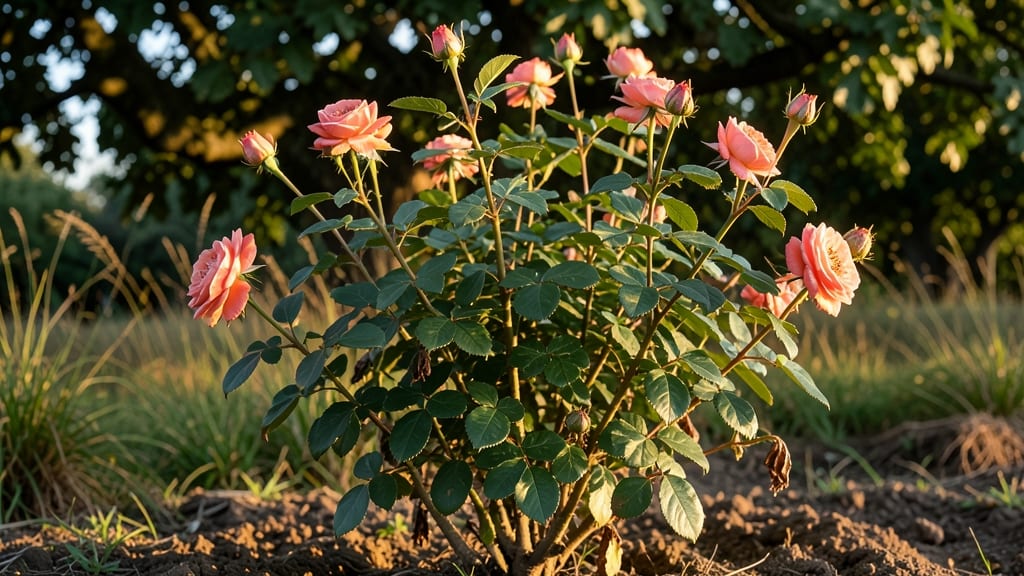
Tall shrub roses create a fragrant, living canopy that transforms any garden into a romantic retreat. 🌿 I fell for them after seeing how they softened the sharp lines of my modern patio—suddenly, there was height, texture, and that intoxicating rose perfume drifting through the air.
These aren't your grandmother's roses. We're talking 6-8 feet of lush, multi-stemmed growth that flowers continuously from early summer through frost. The key to their magic? Planting them where they can stretch their branches—along fences, near mailboxes, or as dramatic backdrops for perennials.
You'll love how they pair with ornamental grasses for movement or lavender for color contrast. The dark green foliage provides year-round structure, while the blooms attract butterflies and hummingbirds. Imagine a summer evening where the only sound is bees buzzing through petals.
Perfect for small yards, urban spaces, or as privacy screens without blocking light. Here's how to make them the star of your garden design.
📚 In This Guide
- What you need
- Instructions
- Tips and common mistakes
- Wrapping up and next steps
What you need
- ● Tall shrub rose plants: Choose disease-resistant varieties (e.g., ‘Knock Out,’ ‘Dr. Huey,’ or ‘The Fairy’). Buy 3-5 bare-root or potted plants (depending on desired coverage).
- ● Well-draining soil: Mix 1 part compost with 2 parts native soil (or use a rose-specific potting mix for containers).
- ● Organic fertilizer: A balanced 10-10-10 or rose-specific fertilizer (e.g., Espoma Rose-Tone). Use ½ cup per plant at planting.
- ● Mulch: 2-3 inches of wood chips or shredded bark to retain moisture and suppress weeds.
- ● Garden trowel or spade (for digging holes 12-18 inches wide and deep).
- ● Pruning shears (sterilized with rubbing alcohol to prevent disease).
- ● Garden hose or watering can (with a rose or soaker hose attachment for deep watering).
- ● Gloves (heavy-duty for thorns) and knee pads (for comfort).
- ○ Stakes or cages (optional but recommended for support—5-6 ft tall for tall varieties).
- ● Sunlight: A spot with 6+ hours of full sun daily (morning sun + afternoon shade works in hot climates).
- ● Spacing: Plant shrubs 3-5 feet apart (check variety tags for specifics).
- ● Water access: A drip irrigation system or consistent watering schedule (deep watering 2-3 times per week in dry spells).
- ● Patience: Tall shrub roses may take 1-2 years to reach full height and bloom vigorously!
How to plant and maintain tall shrub roses for lasting beauty
Here's the straightforward method I use to grow tall, fragrant shrub roses that thrive year after year.
🪴 Step 1: Choose the Right Location and Prepare the Soil
Tall shrub roses need 6-8 hours of full sun daily—pick a spot where they’ll get morning light and afternoon shade if your climate is hot. I always test the soil first by digging a 12-inch hole and checking drainage. If water pools after 30 minutes, amend the soil with 3-4 inches of compost and some coarse sand or perlite to improve drainage.
Loosen the soil to a depth of 18 inches around the planting area with a garden fork. This helps roots spread easily. If your soil is heavy clay, mix in 1 part peat moss to 2 parts native soil—this lightens the texture and prevents root rot. The goal is soil that crumbles easily when moist but holds moisture without becoming soggy.
🌱 Step 2: Plant Bare-Root Roses at the Right Depth
Soak the roots of bare-root roses in lukewarm water for 1-2 hours before planting to rehydrate them. While they soak, dig a hole twice as wide as the root ball and deep enough so the top of the root ball sits 2-3 inches below soil level. This ensures stability and encourages strong growth from the base.
Place the rose in the hole, spreading the roots outward gently. Fill the hole halfway with soil, then water deeply to settle it. Once settled, add more soil until the graft union (the bump near the base of the plant) is just below the soil line. Water again to eliminate air pockets. Mulch around the base with 2-3 inches of organic mulch, keeping it 6 inches away from the stem to prevent rot.
☀️ Step 3: Water Deeply and Provide Consistent Care
Water newly planted roses deeply once a week for the first month, ensuring the soil is moist 6-8 inches down. You’ll know it’s right when the top inch feels damp but not soggy. Overwatering is the fastest way to kill roses—roots need air too. After the first month, water when the soil feels dry to the touch 2-3 inches down.
Fertilize with a balanced rose fertilizer (10-10-10) every 4-6 weeks during the growing season. I like to mix it into the soil around the base rather than top-dressing, which can burn tender roots. Prune dead or diseased stems immediately with clean, sharp shears to prevent the spread of disease. This keeps the plant healthy and encourages new growth.
✂️ Step 4: Prune for Shape and Encourage Blooms
Prune tall shrub roses in early spring before new growth begins. Remove any dead, damaged, or crossing branches first. Then, cut back the remaining stems by one-third to encourage bushier growth. Make cuts just above an outward-facing bud to promote airflow and reduce disease risk.
Throughout the season, deadhead spent blooms by cutting back to the first set of healthy leaves below the bloom. This redirects the plant’s energy to producing more flowers instead of seed pods. In late fall, prune again to remove any weak or leggy growth. This keeps the plant compact and prepares it for winter dormancy. Always sterilize your pruners with rubbing alcohol between cuts to prevent bacterial spread.
⏰ Step 5: Protect and Prepare for Winter
Once temperatures drop below 40°F at night, it’s time to protect your roses. Water deeply one last time before the ground freezes to ensure roots stay hydrated. Apply a 4-6 inch layer of mulch around the base, leaving the center bare to prevent rot. Wrap the canes loosely with burlap or rose cones if your winters are harsh (below 10°F).
In early spring, remove the winter wrap and mulch as soon as new growth appears. This prevents the plant from overheating and encourages early blooming. Watch for signs of pests or disease—common issues like black spot or powdery mildew appear as dark spots or white powder on leaves. Treat immediately with a fungicide if needed. With consistent care, your tall shrub roses will reward you with fragrant blooms for years to come.
Tips & tricks for perfect tall shrub roses
Here's what nobody tells you about growing these stunning, fragrant shrubs that'll make your garden the envy of the neighborhood.
Location is Everything: That 6-8 hours of full sun is non-negotiable, but here's the trick: if your summers are scorching, position your roses to get morning sun and afternoon shade. I've seen roses wilt dramatically in full afternoon sun—trust me, you'll notice the difference in just a few weeks. For extra protection, plant near a wall or fence that can act as a windbreak during storms.
Soil Prep Secrets: When you're testing drainage by digging that 12-inch hole, press the soil between your fingers—it should hold moisture but crumble easily. If it sticks together like clay, your amendment mix of 1 part peat moss to 2 parts native soil will work wonders. I've had roses thrive in what seemed like hopeless clay just by following this ratio. The key is getting that perfect balance where roots can breathe but still access moisture.
Planting Depth Matters: That 2-3 inches below soil level for the graft union isn't just a suggestion—it's crucial for stability and disease prevention. I've seen beginners plant too shallow, and those roses struggle to establish strong roots. Pro tip: After planting, gently press the soil around the base to eliminate air pockets, then water deeply. This helps settle the soil and prevents the roots from drying out during their critical first days.
Winter Protection Hack: For those harsh winters below 10°F, I've found that wrapping canes with burlap isn't just about insulation—it's about airflow too. Leave space between the wrap and the stems so moisture can escape. And here's something that saved my roses last winter: after wrapping, I sprinkled a thin layer of sand around the base before adding mulch. This creates a tiny air gap that prevents rot from sitting moisture.
Pro Tips for Tall Shrub Roses
- Here's what nobody tells you about growing these stunning, fragrant shrubs that'll make your garden the envy of the n...
- Location is Everything: That 6-8 hours of full sun is non-negotiable, but here's the trick: if your summers are scorc...
- Soil Prep Secrets: When you're testing drainage by digging that 12-inch hole, press the soil between your fingers—it ...
Frequently asked questions
Got questions about growing and caring for tall shrub roses? You’re not alone! Here are some of the most common queries—plus straightforward answers to help you cultivate a stunning, long-lasting garden feature.
How tall do tall shrub roses actually get?
Tall shrub roses typically reach 6 to 10 feet at maturity, though some varieties can grow even taller (up to 12 feet!). They’re perfect for creating a fragrant, eye-catching backdrop in gardens, along fences, or near patios. Pro tip: Check the specific variety’s tag for exact height expectations—some are bred to stay more compact!
When is the best time to plant tall shrub roses?
The ideal planting window is early spring or fall, when temperatures are mild (50–70°F). Avoid planting in extreme heat or cold, as roots need time to establish. If you’re in a warmer climate, fall planting (4–6 weeks before frost) gives roots a head start for spring blooms. Water deeply after planting and mulch to retain moisture!
Do tall shrub roses need full sun?
Yes! These roses thrive in 6 to 8 hours of direct sunlight daily. While they can tolerate partial shade (especially in hot climates), too little sun may reduce blooms and weaken growth. If your garden is shady, choose a disease-resistant variety and ensure good air circulation to prevent fungal issues.
How do I prune tall shrub roses for maximum blooms?
Prune in early spring (before new growth starts) to remove dead, diseased, or crossing branches. Cut back by 1/3 to 1/2 of the plant’s height to encourage bushier growth. Avoid heavy pruning in fall—it can stimulate tender new growth that won’t survive winter. Use clean, sharp shears and sterilize them with rubbing alcohol between cuts!
What pests or diseases should I watch for with tall shrub roses?
Common issues include black spot, powdery mildew, aphids, and Japanese beetles. To prevent problems, water at the base (avoid wetting foliage), space plants for airflow, and apply a fungicide if needed. For pests, use neem oil or insecticidal soap—and handpick beetles if you spot them! Regular pruning removes hiding spots for pests.
Can I grow tall shrub roses in containers?
While possible, it’s challenging due to their size and root systems. If you’re set on containers, choose a dwarf or climbing variety (like ‘Knock Out’ roses) and use a large pot (at least 20 gallons) with drainage holes. Repot every 2–3 years and fertilize regularly. Move containers indoors or to a sheltered spot in winter if frost is expected!
Wrapping up and next steps
Tall shrub roses are the perfect way to add height, drama, and year-round beauty to your garden with minimal fuss. Their hardiness, repeat blooms, and fragrant charm make them a standout choice for both novice and seasoned gardeners. Whether you’re drawn to their romantic allure or practical low-maintenance appeal, these roses are a game-changer for creating a lush, inviting outdoor space.
Ready to transform your garden? Start by sketching your design—consider placement, sunlight, and complementary plants. Then, grab your tools and plant with confidence! With the right care, your tall shrub roses will reward you with season after season of stunning blooms. 🌸✨