
Pruning
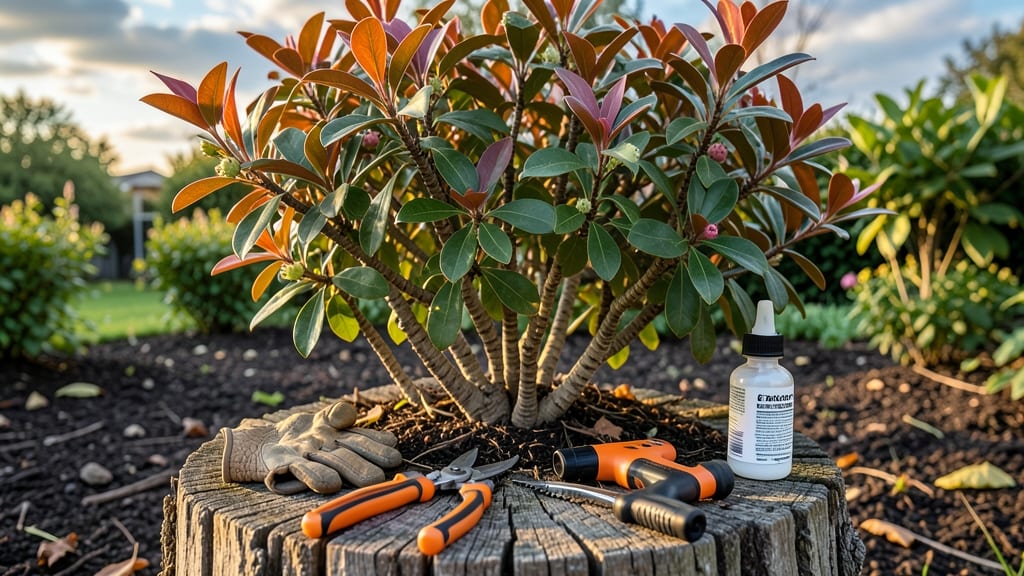
Euonymus shrubs need trimming to stay compact and vibrant—here’s how to do it right without stressing the plant. ✂️ I’ve shaped mine for years, and the key is timing, clean cuts, and knowing when to stop. A little effort now means lush, full growth all season long.
The right tools make all the difference: grab sharp bypass pruners for clean cuts and a small hand saw for thicker branches. Work on a dry day when the plant isn’t stressed, and always prune just above a leaf node or outward-facing bud.
This encourages new growth in the right direction.
Start with light shaping in early spring, then do a quick cleanup after flowering. For overgrown shrubs, rejuvenate by cutting back one-third of the oldest stems each year. The result? A bushier, more controlled plant that stays healthy and looks intentional.
Avoid cutting into old wood—it won’t regrow. Water well after pruning, and mulch to keep roots happy. With these simple steps, your euonymus will thrive year-round, no matter how busy life gets.
📚 In This Guide
- What you need
- Instructions
- Tips and common mistakes
- Wrapping up and next steps
What you need
- ● Pruning shears (bypass or anvil type) – Choose sharp, high-quality shears (8-10 inches) for clean cuts. A bypass type is ideal for live branches.
- ● Loppers (for thicker branches) – 12-16 inch loppers for stems ½ inch to 2 inches thick (avoid crushing stems!).
- ● Pruning saw (for large branches) – A curved-tooth pruning saw for stems over 2 inches thick.
- ● Gloves (cut-resistant) – Heavy-duty gardening gloves to protect hands from thorns and sharp edges.
- ● Disinfectant (70% isopropyl alcohol or bleach solution) – 1 part bleach to 9 parts water to sterilize tools between cuts (prevents disease spread).
- ● Rake or broom – For clearing debris after trimming.
- ○ Water spray bottle (optional but helpful) – To dampen dusty leaves before cleanup.
- ● Pruning sealant – For large cuts (½ inch or wider) to prevent disease entry.
- ● Ladder or step stool – If your shrub is taller than 6 feet.
- ● Plant food or fertilizer – To nourish the shrub post-pruning (choose a balanced, slow-release formula).
- ● Pruning guide or measuring tape – For precise shaping and maintaining proportion.
- ● Trash bags – For easy disposal of clippings.
Step-by-step instructions for trimming euonymus shrubs
Here's my go-to method for keeping euonymus shrubs neat year-round without sacrificing their natural beauty.
✂️ Step 1: Assess the Shape and Identify Problem Areas
Start by examining your euonymus from all sides—step back and look for uneven growth or areas where branches are growing inward. I like to use a tape measure to check if the shrub has grown beyond its designated space, which often happens after a few years of unchecked growth. Focus on removing branches that cross each other or grow toward the center, as these create dense, shaded areas that discourage new growth.
Run your hand along the branches to feel for any dead or diseased wood—it'll be brittle and snap easily. Mark these areas with a piece of twine or a spray paint marker so you don't miss them during trimming. This step ensures you're only removing what needs to go, preserving the shrub's natural form while encouraging healthy new growth.
✂️ Step 2: Use Proper Trimming Techniques for Clean Cuts
Always use sharp, bypass pruning shears for clean cuts—dull blades tear the bark and leave jagged edges that invite disease. Cut just above a leaf node or bud, making the cut at a 45-degree angle about ¼ inch above the growth point. This angled cut helps water run off instead of pooling and rotting the branch. For larger branches, use loppers and make the cut just outside the branch collar where it meets the main stem.
Work in layers if the shrub is overgrown—never remove more than ⅓ of the foliage in one session. Euonymus shrubs are tough, but they'll protest if you take too much at once. After each cut, step back and check the overall shape. You'll notice how the shrub's natural form emerges as you remove the excess growth, making the process feel more like sculpting than pruning.
✂️ Step 3: Clean Up and Encourage New Growth
Remove all trimmings from the area immediately to prevent fungal diseases from spreading. I like to rake up the debris and dispose of it in the trash—never compost pruned material from diseased plants. Once the trimmings are gone, give the shrub a light application of balanced, slow-release fertilizer to support new growth. Water deeply right after trimming to help the plant recover and reduce stress.
Watch for new shoots emerging from the base and along the branches in the weeks following pruning—that's your sign the shrub is healing well. If you notice any yellowing leaves or wilting, it's a sign of over-pruning or stress. Euonymus shrubs typically bounce back quickly, but they appreciate a little extra care during their recovery period. This final step ensures your shrub stays healthy and vibrant for seasons to come.
Tips & tricks for perfectly shaped euonymus shrubs
Keeping your euonymus looking its best doesn't have to be complicated—just a few key tricks make all the difference in maintaining that polished, natural shape.
The Shape Assessment Hack: Step back and take photos from all sides before you start trimming. This visual reference helps you spot asymmetries you might miss up close. I've found that marking problem areas with a temporary spray paint marker (the kind that washes off) prevents missed spots during the actual trimming process.
Tool Selection Matters: Never use hedge shears for detailed euonymus trimming—they crush branches and create ragged cuts. Instead, invest in a good pair of bypass pruning shears for smaller branches and loppers for thicker stems. The clean cuts you make at a 45-degree angle (just above the growth point) heal faster and look more professional.
Layered Trimming Strategy: When dealing with overgrown shrubs, work in layers—first remove the largest, most overreaching branches, then move to smaller ones. This prevents over-stressing the plant. I always check the overall shape after each layer, stepping back to visualize the final form before making more cuts.
Recovery Care: After trimming, give your euonymus a boost by applying a light layer of balanced fertilizer and watering deeply. This helps the plant recover faster and encourages new, healthy growth. Watch for new shoots emerging within 2-3 weeks—that's your sign the shrub is healing well.
Pro Tips for Trimming Euonymus Shrub
- Keeping your euonymus looking its best doesn't have to be complicated—just a few key tricks make all the difference i...
- The Shape Assessment Hack: Step back and take photos from all sides before you start trimming. This visual reference ...
- Tool Selection Matters: Never use hedge shears for detailed euonymus trimming—they crush branches and create ragged c...
Frequently asked questions
Got questions about trimming your euonymus shrubs? You’re not alone!
Whether you're a newbie gardener or just looking to refine your skills, these FAQs will help you keep your euonymus looking sharp and healthy year-round. Let’s dive in!
When is the best time to trim euonymus shrubs?
The ideal time to trim euonymus is late winter or early spring (before new growth starts) to encourage lush, healthy foliage. Light shaping can also happen in summer after flowering, but avoid heavy pruning then—it may stress the plant. Never trim in fall, as it can leave cuts vulnerable to winter damage.
How much can I cut back a euonymus shrub?
Euonymus is resilient, but avoid cutting back more than 1/3 of its total height or width in a single season. Heavy pruning (like rejuvenation cuts) is best done gradually over 2–3 years. If you’re reviving an overgrown shrub, prune 1/3 in year one, then repeat annually until you reach your desired shape.
Why is my euonymus turning brown after trimming?
Brown or wilted leaves after pruning usually mean over-pruning or stress. Ensure cuts are made just above a leaf node (not too close to stems) and use clean, sharp tools. Water deeply after trimming, and avoid pruning during extreme heat or drought. If browning persists, check for pests or disease—like scale or powdery mildew.
Can I shape euonymus into a hedge or topiary?
Euonymus thrives as a hedge or topiary with regular, light trims. For hedges, keep cuts neat and uniform, using a hedge trimmer for clean lines. For topiary, prune gradually to train branches into your desired shape (e.g., spirals or cones). Feed with balanced fertilizer in spring to support new growth.
What’s a good alternative if I don’t want to trim my euonymus?
If maintenance feels like too much, consider low-maintenance alternatives like boxwood, holly, or lacecap hydrangea. These also offer year-round structure but require less frequent shaping. For a similar look, dwarf burning bush (Euonymus alatus ‘Compactus’) is a hardy, low-growth option that needs minimal trimming.
Wrapping up and next steps
Trimming your euonymus shrub doesn’t have to feel overwhelming—with the right timing, tools, and techniques, you’ll keep it lush, healthy, and picture-perfect year-round! 🌿 Whether you’re shaping it for privacy, hedges, or just a polished look, confidence comes with practice.
Start small, follow the steps, and soon you’ll be the neighborhood pruning pro.
Ready to take the next step? Grab your shears, pick a sunny day, and give your euonymus the care it deserves! 🌞 For extra inspiration, check out before-and-after pruning galleries or join local gardening groups—you’ve got this!