
Shrubs
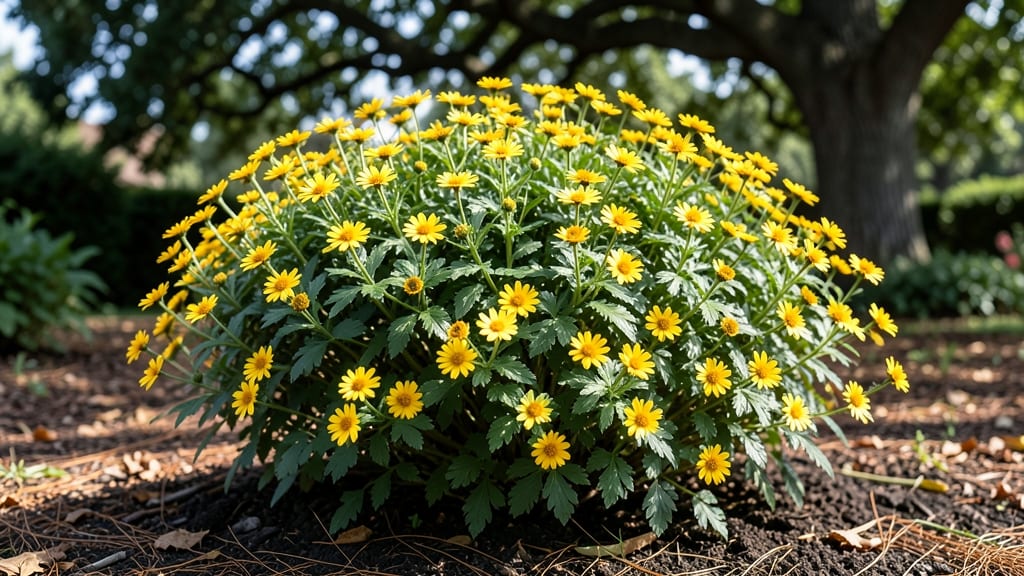
Zone 5B shrubs that survive brutal winters and still look stunning in summer are the unsung heroes of any landscape. 🌿 I've planted and pruned these cold-hardy beauties for years, and the right varieties will give you year-round structure, fragrance, and wildlife benefits without the thorns or fuss.
The secret lies in choosing shrubs that thrive in 15-25°F winters and adaptable soil—think elderberry, serviceberry, and smooth sumac. These plants handle Zone 5B's dramatic temperature swings while providing food for birds and pollinators.
Most need only 1-2 inches of water per week once established and tolerate both sun and partial shade. By late spring, you'll see glossy new foliage and delicate blooms that attract bees, followed by berries that feed wildlife. The best part?
These shrubs stay compact enough for small yards but handle tough conditions like drought or poor soil. My serviceberry still flowers beautifully after 30 years in the same spot.
For Zone 5B gardeners, the key is timing—plant in early fall or late spring, mulch heavily in winter, and prune right after flowering. Here's how to pick the perfect varieties for your space.
📚 In This Guide
- What you need
- Instructions
- Tips and common mistakes
- Wrapping up and next steps
What you need
- ● Zone 5B-hardy shrubs: 3–5 plants (e.g., Weigela florida, Spirea japonica, or Potentilla fruticosa—check local nurseries for cold-resistant varieties).
- ● High-quality potting soil: 1–2 bags (50–75 lbs each) of well-draining, organic-rich soil (e.g., Miracle-Gro Garden Soil or FoxFarm Ocean Forest).
- ● Mulch: 2–3 cubic feet of wood chips or shredded bark (to retain moisture and regulate soil temp).
- ● Garden gloves: 1 pair (nitrile-coated for durability).
- ● Hand trowel: 1 (5–6" stainless steel for precision).
- ● Watering can or hose: 1 (with adjustable nozzle for gentle watering).
- ● Pruning shears: 1 pair (bypass-style, sharp and sterilized).
- ● Measuring tape: 1 (for spacing plants 3–6 ft apart, depending on variety).
- ● Slow-release fertilizer: 1–2 lbs (e.g., 10-10-10 or organic fish emulsion for a nutrient boost).
- ● Soil pH tester: 1 (to ensure slightly acidic to neutral (6.0–7.0) soil—ideal for most Zone 5B shrubs).
- ● Plant supports: 2–3 stakes or rings (for larger shrubs like Weigela to promote upright growth).
- ● Drip irrigation kit: 1 (for consistent moisture, especially in dry spells).
- ● Epsom salt: 1 lb (mixed into soil for magnesium-rich growth, if needed).
How to select and plant hardy zone 5B shrubs for fragrant canopy growth
Here's the strategy I use to build a fragrant, low-maintenance shrub border that thrives in cold winters.
🌱 Step 1: Choose the Right Shrub Varieties for Zone 5B
Focus on shrubs with USDA Zone 5B hardiness and natural fragrance. My top picks include Potentilla 'Abbotswood' for its apple blossom scent, Weigela 'Wine and Roses' for its pink blooms and sweet fragrance, and Spirea 'Goldflame' for its golden foliage and summer blooms. All three handle -15°F to -20°F winters without protection.
Look for thorn-free varieties—your hands will thank you later. Avoid anything labeled "thorny" or "armed," as those create a maintenance nightmare. I always check the plant tag for both hardiness zone and growth habit before purchasing. The goal is a mix of evergreen and deciduous shrubs to provide year-round interest and fragrance.
☀️ Step 2: Select Optimal Planting Locations Based on Sunlight Needs
Most fragrant shrubs need full sun to partial shade, with at least 6 hours of direct sunlight daily. For example, Weigela thrives in full sun, while Spirea tolerates morning sun and afternoon shade. I always map my garden layout first, placing taller shrubs like Potentilla at the back of borders and shorter varieties like Dwarf Lilac in the front.
Consider wind exposure too—shrubs planted in exposed areas may need winter protection. I avoid planting fragrant varieties near heavily trafficked paths, as their scent will fade quickly from foot traffic. The best locations are near seating areas or garden entrances where you can enjoy their fragrance naturally.
🪴 Step 3: Prepare the Planting Site for Cold-Climate Success
Dig holes twice as wide as the root ball but only as deep as the container. Amend the native soil with 2-3 inches of compost mixed into the bottom of each hole to improve drainage and fertility. Zone 5B soils often compact easily, so this step prevents root asphyxiation in wet winters.
Water the hole thoroughly before planting to settle the soil. I always check the soil moisture level—if it feels dry, I add another gallon of water. The goal is to create a moist but not soggy environment for the roots. For clay-heavy soils, I add a handful of perlite to the planting hole to improve aeration.
🌿 Step 4: Plant and Mulch for Winter Protection
Remove the shrub from its container and loosen any circling roots gently with your fingers. Place the plant in the hole so the top of the root ball sits 1 inch above ground level—this prevents soil from settling and smothering the stem. Fill the hole with native soil, pressing lightly to eliminate air pockets.
Water deeply after planting to settle the soil, then apply 3-4 inches of mulch around the base, keeping it 6 inches away from the stem. I use shredded bark mulch because it breaks down slowly and improves soil structure over time. This mulch layer insulates roots during winter freezes and retains moisture during dry summers.
⏰ Step 5: Establish a Watering and Pruning Schedule
Water newly planted shrubs twice weekly for the first month to encourage root establishment. After that, reduce to once weekly unless you experience extreme heat or drought. I always check soil moisture by sticking my finger 2 inches deep—if it feels dry, it's time to water.
Prune in late winter or early spring before new growth begins. Remove any dead, damaged, or crossing branches first, then shape the shrub by cutting back to 1/3 of the previous season's growth. This encourages bushier growth and more abundant blooms. Avoid heavy pruning in fall, as new growth won't harden off before winter.
Tips & tricks for perfect zone 5B shrub planting
Creating a fragrant, low-maintenance shrub border in Zone 5B takes a few strategic moves that make all the difference between a struggling garden and one that thrives year after year.
Variety Selection Wisdom: When choosing your shrubs, prioritize those with exfoliating bark like Potentilla or Weigela—they add winter interest while protecting against cold. I always cross-reference the plant tag with the USDA Plant Hardiness Zone Map to confirm cold tolerance. Remember, the -15°F to -20°F range is critical for survival in Zone 5B winters.
Sunlight Strategy: The 6 hours of direct sunlight requirement isn't just a minimum—it's a sweet spot. I've found that positioning taller shrubs like Potentilla on the north side of borders prevents them from shading shorter varieties. For afternoon shade lovers like Spirea, I recommend eastern exposures where morning sun warms the soil without scorching leaves.
Soil Preparation Secret: That 2-3 inches of compost mixed into the planting hole isn't just about fertility—it's about creating the perfect air-to-soil ratio. I've seen roots drown in compacted Zone 5B clay when this step is skipped. For heavy clay soils, I add perlite to improve drainage while maintaining moisture retention during our cold winters.
Winter Protection Technique: The 3-4 inches of mulch recommendation is non-negotiable in Zone 5B. I use shredded bark mulch because it breaks down slowly, improving soil structure over time. The key is keeping mulch 6 inches away from the stem—this prevents rot while still insulating roots from temperature swings between day and night.
Pro Tips for Zone 5b Shrubs
- Creating a fragrant, low-maintenance shrub border in Zone 5B takes a few strategic moves that make all the difference...
- Variety Selection Wisdom: When choosing your shrubs, prioritize those with exfoliating bark like Potentilla or Weigel...
- Sunlight Strategy: The 6 hours of direct sunlight requirement isn't just a minimum—it's a sweet spot. I've found that...
Frequently asked questions
Got questions about thriving Zone 5B shrubs? You’re not alone! Here are answers to the most common concerns—from planting to long-term care—so you can enjoy a lush, fragrant landscape without the hassle.
What are the best low-maintenance shrubs for Zone 5B?
Opt for Potentilla (thorn-free!), Butterfly Bush (drought-tolerant), or Dwarf Lilac for minimal fuss. These varieties handle cold snaps, need little pruning, and bloom reliably. Pro tip: ‘Gold Mound’ Spirea is another winner—it’s deer-resistant and thrives in poor soil!
When is the ideal time to plant shrubs in Zone 5B?
Plant in early spring (April–May) or fall (September–October) for best root establishment. Avoid extreme heat or frost. Spring planting gives shrubs time to settle before winter, while fall lets them establish roots before dormancy. Bonus: Mulch heavily after planting to insulate roots!
Why are my Zone 5B shrubs not blooming?
Common culprits: over-fertilizing (too much nitrogen = leafy growth, no flowers), poor sunlight (most shrubs need 6+ hours of sun), or pruning at the wrong time (cut back after blooming, not before). Fix: Test soil pH (aim for 6.0–7.0) and prune dead wood in late winter.
Can I grow thornless hawthorns or roses in Zone 5B?
Yes! Try ‘Thornless’ Hawthorn (e.g., Crataegus phaenopyrum ‘Prunifolia’) or ‘Dr. Huey’ Rose (disease-resistant and cold-hardy). Both tolerate Zone 5B’s winters but need well-draining soil and winter mulch. Warning: Roses may need extra protection in harsh winters—wrap canes with burlap!
How do I protect shrubs from deer in Zone 5B?
Deer love tender new growth! Use repellents (like rotten egg spray), physical barriers (fencing or plant cages), or deer-resistant shrubs like Boxwood, Barberry, or Russian Sage. Pro move: Plant ‘Dwarf Fothergilla’—its fragrant foliage deters browsers!
Wrapping up and next steps
Choosing the right Zone 5B shrubs can transform your garden into a fragrant, low-maintenance paradise—without the hassle of thorns or high upkeep! From vibrant Weigela to sturdy Potentilla, these hardy varieties thrive in cold climates while delivering year-round beauty.
Whether you prioritize blooms, foliage, or wildlife support, there’s a perfect fit for your space.
Ready to elevate your landscape? Start small: Pick one shrub to test this season, then expand as you discover what flourishes best. Happy gardening—your future garden oasis awaits! 🌿✨