
Shrubs
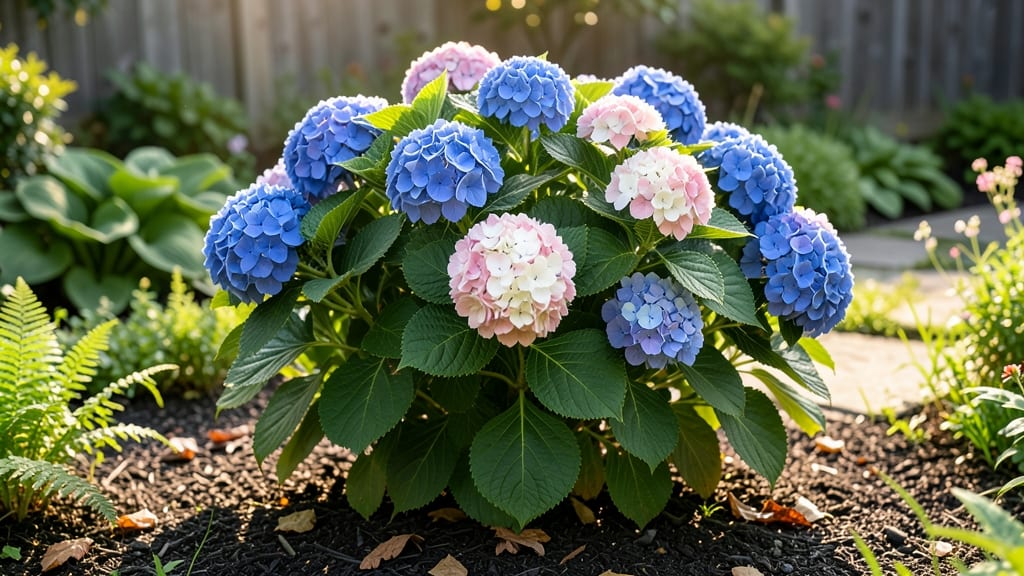
Six-foot shrubs can transform your yard from ordinary to stunning in just one season. 🌿 I’ve used them to create privacy screens, define garden rooms, and add height without the hassle of climbing vines or thorny bushes.
The secret? Choosing the right plants and mastering three simple pruning moves that keep them lush and manageable year after year.
Popular picks like hydrangeas, lilacs, and boxwoods thrive at this height, offering color, fragrance, and structure. Hydrangeas bloom in summer with bold, papery blooms, lilacs perfume the air in spring, and boxwoods stay evergreen for year-round interest.
All three respond well to pruning, making them perfect for beginners and experienced gardeners alike.
With the right cuts at the right time, you’ll see fuller growth, more flowers, and a neat, polished look that elevates any landscape. Whether you’re lining a driveway, framing a patio, or adding a focal point, these shrubs deliver effortless elegance with minimal upkeep.
Ready to create a lush, low-maintenance backdrop? Let’s dive into the three pruning moves that keep your shrubs thriving—and how to choose the best varieties for your space.
📚 In This Guide
- What you need
- Instructions
- Tips and common mistakes
- Wrapping up and next steps
What you need
- ● Pruning shears: Bypass pruners (sharp, not anvil-type) for clean cuts—1 pair (e.g., Felco or Fiskars).
- ● Loppers: For thicker branches (½"–1½" diameter)—1 pair (extendable handles help!).
- ● Pruning saw: For stubborn, thick branches (2"–3"+)—1 small handsaw (e.g., Corona or Bahco).
- ● Gloves: Heavy-duty gardening gloves (cut-resistant, like Mechanix or Dr. Sellner).
- ● Disinfectant: 70% isopropyl alcohol or bleach solution (1 part bleach to 9 parts water) to sterilize tools between cuts.
- ● Trash bags: Heavy-duty (10–20 gallon) for debris—2–3 bags depending on shrub size.
- ● Measuring tape: 10–25 ft for assessing height and spacing.
- ○ Ladder (optional but helpful): 6–8 ft aluminum step ladder (if shrubs are near rooflines or tall).
- ● Hand pruners with ratchet: Reduces hand fatigue for large jobs.
- ● Pruning sealant: (e.g., Tanglefoot Tree Seal) for sealing cuts on non-deciduous shrubs (like boxwoods).
- ● Safety glasses: Protects eyes from debris.
- ● Work apron: Pockets for tools and gloves.
- ● Notebook/pencil: To sketch pruning plans or track progress.
- ● ✔️ Choose the right time: Prune after flowering (late spring/summer for most shrubs) or in early spring before new growth starts.
- ● ✔️ Check shrub health: Remove dead/diseased branches first (sterilize tools between cuts!).
- ● ✔️ Gather intel: Research your shrub’s growth habits (e.g., hydrangeas vs. lilacs)—some bloom on old wood!
- ● ✔️ Clear the area: Lay down tarps or old sheets to catch debris easily.
Instructions for pruning 6-Foot shrubs to create a thorn-free canopy
Here's how to shape your shrubs into a lush, thorn-free canopy using three key pruning techniques.
✂️ Step 1: Identify and Remove Dead or Diseased Wood
Start by inspecting your shrub for any branches that are brown, brittle, or showing signs of disease—these are the first to go. I like to use sharp bypass pruners for clean cuts that won’t tear the bark. Look for branches that crumble when touched or have blackened spots, as these won’t recover and can spread problems to healthy growth.
Cut these branches back to the main trunk or a healthy lateral branch. Make your cuts at a 45-degree angle, about ¼ inch above a leaf node or bud, to encourage proper healing. This step ensures your shrub’s energy isn’t wasted on dead material and sets the stage for a fuller, healthier canopy.
✂️ Step 2: Thin Out Overcrowded Branches for Airflow
Next, focus on the interior of the shrub where branches may be growing too closely together. Overcrowding leads to poor airflow, which invites pests and diseases while blocking sunlight from reaching the center. I target branches that cross or rub against each other—these are prime candidates for removal.
Use your pruners to cut these branches back to a strong lateral branch or the main trunk. Aim to remove about 20-30% of the shrub’s total volume to open it up. You’ll notice a difference immediately: more light penetrates the center, and you’ll see new growth emerging from the once-shaded interior. This step is critical for maintaining a thriving, thorn-free canopy.
✂️ Step 3: Shape the Canopy for Uniform Growth
Now, step back and assess the overall shape of your shrub. The goal is to create a balanced, rounded canopy that’s about 6 feet tall at maturity. Start by identifying the tallest branches—these will guide the final height. Cut back the longest branches by ⅓ to ½ their length to encourage bushier growth lower down.
For a natural look, focus on shaping the outer edges rather than making drastic cuts. Use hand pruners for smaller branches and loppers for thicker stems. After pruning, you’ll see new buds forming along the remaining branches—these will fill in the gaps and create a denser, fuller shrub over time. This final step ensures your shrub stays within your desired height while maintaining a lush, thorn-free appearance.
⏰ Step 4: Time Your Pruning for Best Results
For most shrubs, late winter or early spring—just before new growth begins—is the ideal time to prune. This timing allows the plant to heal and grow vigorously during the active season. If you’re working with flowering shrubs, however, prune right after they bloom to avoid cutting off next year’s flowers.
After pruning, give your shrub a light application of mulch to retain moisture and protect new growth. Water deeply but avoid overwatering, as soggy soil can stress the plant. Within a few weeks, you’ll see fresh green leaves emerging, signaling that your shrub is recovering beautifully from the pruning process.
Tips & tricks for perfect shrub pruning
These pro-level techniques will help you create a thriving, thorn-free canopy without common pruning pitfalls.
Tool Selection: Invest in a pair of sharp bypass pruners for clean cuts that heal faster than those made with dull tools. For branches thicker than ½ inch, use loppers to avoid crushing the wood. I've found that sterilizing your tools with rubbing alcohol between cuts prevents spreading disease from infected branches to healthy ones.
Pruning Angle Matters: When making cuts in Step 1, the 45-degree angle is crucial—it directs water away from the cut to prevent rot. Aim for about ¼ inch above a leaf node or bud, which encourages new growth from that point. If you're unsure where the bud is, look for small swellings along the branch.
Thinning Strategy: In Step 2, focus on removing branches that are growing inward or crossing others—these create weak points where pests can enter. The 20-30% volume reduction target ensures you don't over-prune, which can stress the shrub. I like to work in sections, stepping back frequently to assess the overall shape.
Seasonal Timing: Late winter or early spring is ideal because the shrub is dormant but about to burst with new growth. For flowering shrubs, the post-bloom timing in Step 4 ensures you don't sacrifice next year's flowers. If you must prune at other times, avoid heavy cuts during extreme heat or cold.
Pro Tips for 6 Foot Shrubs
- These pro-level techniques will help you create a thriving, thorn-free canopy without common pruning pitfalls.
- Tool Selection: Invest in a pair of sharp bypass pruners for clean cuts that heal faster than those made with dull to...
- Pruning Angle Matters: When making cuts in Step 1, the 45-degree angle is crucial—it directs water away from the cut ...
Frequently asked questions
Got questions about growing and maintaining 6-foot shrubs?
Here are some of the most common concerns—plus quick, practical answers to keep your thorn-free canopy thriving!
What’s the best time of year to prune 6-foot shrubs?
Prune most 6-foot shrubs in late winter or early spring (just before new growth starts). For flowering shrubs, wait until after they bloom to avoid cutting off next year’s flowers. Evergreens can be pruned lightly in summer if needed, but avoid heavy cuts during extreme heat.
How do I keep my shrub from getting too leggy or sparse?
Leggy or sparse growth usually means over-pruning or poor light exposure. To fix it:
- Use thinning cuts (removing entire branches at the base) to improve airflow.
- Avoid "topping" (cutting the top flat)—it encourages weak, bushy growth.
- Ensure your shrub gets 6+ hours of sunlight daily and fertilize in early spring.
Are there any 6-foot shrubs that don’t need much pruning?
Yes! Some low-maintenance options include:
- Dwarf Fothergilla – Naturally compact with fragrant spring blooms.
- Oakleaf Hydrangea – Grows slowly and tolerates minimal pruning.
- Boxwood – Evergreen and stays neatly shaped with light trims.
These shrubs still benefit from annual shape checks but won’t require heavy pruning like fast growers.
Why are my shrub’s leaves turning yellow or brown after pruning?
Yellowing or browning leaves after pruning can signal:
- Stress from over-pruning – Never remove more than 1/3 of the shrub’s foliage in one session.
- Fungal issues – Sterilize pruners with rubbing alcohol and avoid wet foliage.
- Underwatering – Deep water 1-2 times per week (more in heatwaves).
If the problem persists, test your soil’s pH or check for pests like spider mites.
Can I grow a 6-foot shrub in a container or small garden?
Some shrubs adapt well to containers (like Dwarf Lilac or Compact Abelia), but most need at least 3-4 feet of space to reach 6 feet. For small gardens:
- Choose slow-growing varieties (e.g., Dwarf Ninebark).
- Use large pots (20+ gallons) with drainage and prune aggressively to control height.
- Plant in well-draining soil and water consistently to prevent root-bound stress.
Pro tip: Top-dress with compost annually to support root growth in confined spaces.
Wrapping up and next steps
Transforming your outdoor space into a lush, thorn-free sanctuary is easier than you think! With the right 6-foot shrubs and just three strategic pruning moves, you can create a stunning, low-maintenance canopy that thrives year after year.
Whether you’re a gardening pro or a beginner, these techniques will give you confidence—and a garden you’ll love.
Ready to take the next step? Pick your favorite shrubs, grab your tools, and start pruning today! 🌿 For even more inspiration, explore our pruning guide or browse seasonal care tips to keep your shrubs flourishing.