
Shrubs
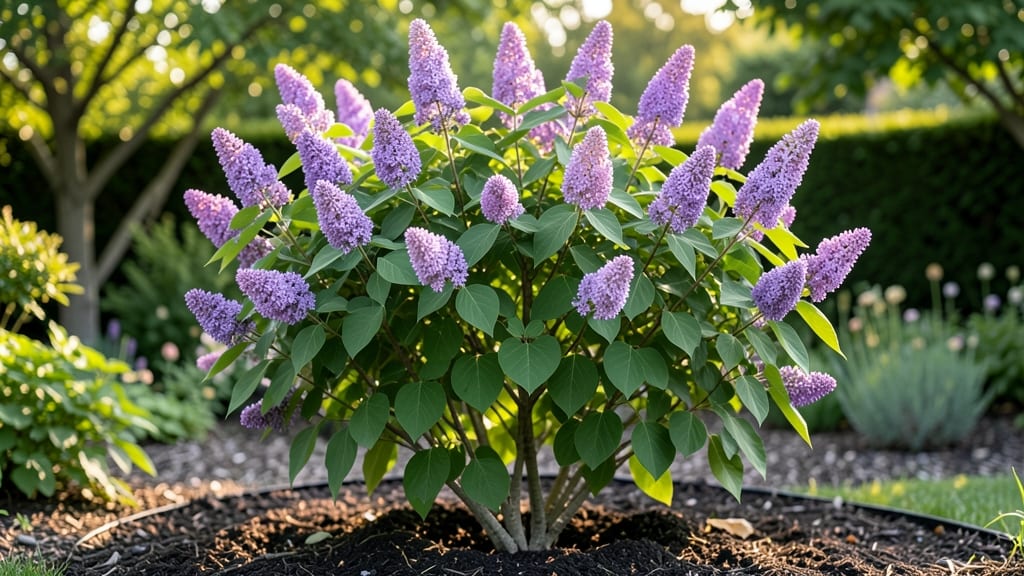
Nothing beats the intoxicating scent of a fragrant lilac shrub in full bloom. 🌿 I learned the hard way that proper pruning transforms a one-time spring show into year-round fragrance—my neighbor's lilacs still smell amazing in September because of a few key cuts.
The secret lies in timing and technique: prune right after flowering, never in fall, and always cut at a 45-degree angle just above a leaf node. Most gardeners make one critical mistake—pruning too late—which means fewer blooms next season.
I now follow a simple rule: "When the blooms fade, grab the shears." You'll end up with a shrub that fills your yard with sweet perfume from late spring through summer, and with the right approach, even into early fall.
The fragrance alone makes it worth the effort, but the lush, full growth is the real reward. Works for any yard size, from small urban gardens to spacious rural landscapes. Here's how to get started without the guesswork!
📚 In This Guide
- What you need
- Instructions
- Tips and common mistakes
- Wrapping up and next steps
What you need
- ● Fragrant lilac shrub (choose varieties like Syringa vulgaris ‘Dwarf’ or Syringa meyeri for compact growth or Syringa oblata for intense fragrance). Quantity: 1-2 plants (depending on desired shrub size).
- ○ Well-draining soil (pH 6.0–7.0). Optional: Amend with compost or aged manure for nutrient-rich soil.
- ● Full sun location (6+ hours of direct sunlight daily).
- ● Pruning tools: Sharp bypass pruners (for clean cuts on small branches).
- ● Loppers (for thicker branches, up to 1.5 inches in diameter).
- ● Garden saw (for stubborn, woody stems).
- ● Disinfectant (rubbing alcohol or bleach solution) to sterilize tools between cuts.
- ● Mulch (2–3 inches of organic mulch like wood chips or straw to retain moisture and suppress weeds).
- ● Slow-release fertilizer (balanced 10-10-10 or rose-specific formula) for early spring feeding.
- ● Plant supports or stakes (if planting in windy areas or for young, top-heavy shrubs).
- ● Pruning sealant (for large cuts to prevent disease entry).
- ● Garden gloves (to protect hands from thorns and sap).
- ● Spray bottle with water (to keep tools clean during pruning sessions).
How to prune a fragrant lilac shrub for continuous blooms
Here’s the simple pruning system I’ve used for years to keep my lilacs flowering beautifully every spring—and sometimes even summer.
✂️ Step 1: Prune Immediately After First Blooming
As soon as your lilac flowers fade completely, grab your pruners and remove any spent blooms. This is called deadheading, and it’s the single most important step for encouraging next year’s flowers. Cut the flower clusters back to the first set of healthy leaves below them—this tells the shrub to focus its energy on developing new buds rather than seeding.
I always prune on a dry morning so the cuts heal cleanly. If you wait too long, the shrub may set seed, and you’ll end up with fewer blooms next season. Think of it like trimming your hair after a bad haircut—better to fix it early!
✂️ Step 2: Lightly Shape the Shrub in Late Summer
About 6-8 weeks after flowering, give your lilac a light shaping. This is when the shrub is storing energy for next year’s blooms, so avoid heavy pruning. Instead, remove any crossing or rubbing branches that might damage the plant, and thin out the center to improve airflow. Lilacs bloom on old wood, so never cut back into last year’s growth.
Use sharp pruners to make clean cuts at a 45-degree angle just above a leaf node. This prevents water from pooling on the cut and causing rot. If you’re unsure which branches to remove, just imagine sunlight and air flowing through the center—anything blocking that goes.
✂️ Step 3: Rejuvenate Older Shrubs Every 3-5 Years
If your lilac is more than 10 years old or has stopped flowering well, it’s time for a rejuvenation prune. In late winter or early spring—before buds swell—cut back about ⅓ of the oldest stems to the ground. This might sound drastic, but lilacs are tough and will send up new shoots from the base. Space these cuts out over a few years to avoid shocking the plant.
Here’s the trick: I mark the stems I’ll remove with a flag in late fall, so I don’t accidentally prune the wrong ones in the dark winter months. After pruning, fertilize lightly with a balanced 10-10-10 to help the plant recover and produce new growth.
☀️ Step 4: Maintain Through the Growing Season
During the growing season, keep an eye out for any suckers—those are the little shoots that pop up at the base of the shrub. Remove them as soon as you see them, or they’ll compete with your main plant for nutrients. Also, watch for any dead or diseased branches and prune those off immediately to keep the shrub healthy.
Water deeply once a week during dry spells, especially after pruning. Lilacs have deep roots, so they don’t need frequent watering, but they do appreciate a good soak when the soil is dry. Mulch around the base with 2-3 inches of organic mulch to retain moisture and keep weeds down.
Tips & tricks for perfect lilac pruning
Pruning lilacs might seem intimidating, but these simple tricks will help you keep your shrub thriving and blooming beautifully year after year.
Timing is Everything: The 6-8 week window after flowering in Step 2 is your best chance to shape the shrub without damaging next year's blooms. Mark your calendar right after the flowers fade—this timing ensures you're pruning when the plant is storing energy for new growth, not when it's actively flowering. I always set a reminder on my phone to avoid missing this critical window.
The 45-Degree Angle Secret: When making cuts in Step 2, that 45-degree angle isn't just for looks—it's essential for plant health. The slanted cut prevents water from pooling at the base of the branch, which can lead to rot. I like to practice on a scrap piece of wood first to get the angle just right before working on my lilacs.
Rejuvenation Strategy: For older shrubs in Step 3, don't try to do all the pruning at once. Instead of cutting back all the oldest stems in one year, spread it out over 2-3 years. This gradual approach gives your lilac time to recover and prevents shock. I mark the stems I'll remove each year with colorful flags in fall so I don't accidentally prune the wrong ones in winter.
Sucker Control: Those little shoots popping up at the base (suckers) might seem harmless, but they can drain energy from your main plant. In Step 4, remove them as soon as you spot them—don't wait until they're large and established. I check for suckers every time I water, making it a quick habit that keeps my lilacs healthy and focused on flowering.
Pro Tips for Fragrant Lilac Shrub
- Pruning lilacs might seem intimidating, but these simple tricks will help you keep your shrub thriving and blooming b...
- Timing is Everything: The 6-8 week window after flowering in Step 2 is your best chance to shape the shrub without da...
- The 45-Degree Angle Secret: When making cuts in Step 2, that 45-degree angle isn't just for looks—it's essential for ...
Frequently asked questions
Got questions about growing and maintaining your fragrant lilac shrub? You’re not alone!
Here are answers to the most common concerns—from pruning to pests—to help you keep your lilacs thriving and blooming beautifully.
When is the best time to prune lilac shrubs for maximum blooms?
Prune your lilacs right after they finish flowering (late spring to early summer). This ensures next year’s blooms develop on new wood. Avoid heavy pruning in fall or winter, as lilacs bloom on old wood and need time to set buds for spring. A light cleanup in late winter (before buds swell) is fine, but focus on shaping, not cutting back hard.
How long does it take for a lilac shrub to bloom after planting?
Patience is key! Most lilacs take 2–3 years to establish and produce their first significant blooms. Young shrubs (under 2 years old) may have sparse flowers as they focus on root growth. Keep them well-watered and fertilized to speed up the process. Once established, healthy lilacs can bloom heavily for decades!
What are the most common pests or diseases affecting lilac shrubs, and how do I prevent them?
Lilacs are generally hardy, but watch for:
- Borers: Tiny holes or sawdust-like frass in stems. Prevent with a dormant oil spray in late winter.
- Powdery mildew: White fungal coating on leaves. Fix with neem oil or improve airflow by pruning.
- Spider mites: Yellowing leaves, webbing. Combat with a strong spray of water or insecticidal soap.
Can I grow lilacs in containers, or do they need to be planted in the ground?
While lilacs prefer the ground, dwarf varieties (like ‘Miss Canada’ or ‘Lilac Beauty’) can thrive in large containers (at least 20 gallons). Use well-draining soil, a pot with drainage holes, and repot every 2–3 years. Containers dry out faster, so water consistently and fertilize lightly in spring. Just know they’ll need more frequent pruning to control size!
Why aren’t my lilacs blooming as much as they used to?
Lilacs often decline due to:
- Over-pruning: Cutting back too aggressively removes next year’s flower buds.
- Poor nutrition: Test soil and amend with balanced fertilizer (10-10-10) in early spring.
- Age: Older shrubs (15+ years) may bloom less. Rejuvenate with a hard pruning in late summer (after blooming).
- Stress: Drought, pests, or root damage can reduce blooms. Keep soil moist and mulched.
Wrapping up and next steps
Transforming your garden into a fragrant paradise with a fragrant lilac shrub is simpler than you think! With the right pruning techniques and care, you’ll enjoy stunning blooms year after year. Start by applying these secrets to your lilac shrub today—your garden (and senses!) will thank you.
Ready to take the next step? Bookmark this guide and schedule your first pruning session this spring. Happy gardening! 🌸✨