
Companion Plants
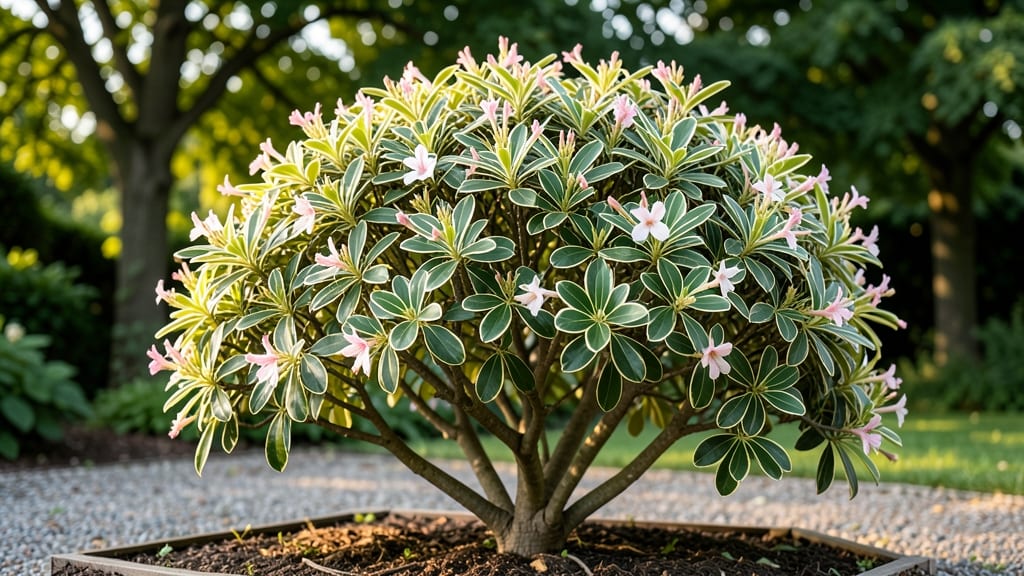
Abelia 'Kaleidoscope' turns your yard into a fragrant, thorn-free paradise with its vibrant pink-and-white blooms and glossy foliage. 🌿 I’ve grown this shrub for years, and it’s become my go-to for adding color and texture without the fuss of thorns or invasive roots. The key to its success?
Understanding its sunlight, soil, and watering needs from day one. This shrub thrives in partial shade to full sun, making it perfect for understory plantings or as a border. It prefers well-draining, slightly acidic soil—think mulch-heavy garden beds or raised planters.
Water it deeply once a week, but don’t drown it; Abelia ‘Kaleidoscope’ hates soggy roots. With the right conditions, it grows 3–5 feet tall and wide, creating a lush, fragrant canopy that hummingbirds adore. Pruning is where the magic happens.
Trim back leggy growth in early spring to encourage bushier blooms, and shape it lightly after flowering to keep it tidy. The real reward? A shrub that stays disease-resistant and thrives even in USDA Zones 6–9, with minimal winter care.
Just protect it from harsh winds, and it’ll reward you with years of effortless beauty. Whether you’re planting it as a hedge, specimen shrub, or mixed border, this Abelia is a low-maintenance superstar. Avoid over-fertilizing—it’s not a heavy feeder—and watch it flourish with almost no effort.
Here’s how to set it up for success from the start.
📚 In This Guide
- What you need
- Instructions
- Tips and common mistakes
- Wrapping up and next steps
What you need
- ● Abelia Kaleidoscope shrub: 1–3 plants (depending on desired coverage; spacing 3–5 ft apart for optimal growth).
- ● High-quality potting mix: 1–2 bags (well-draining, organic blend for container or in-ground planting).
- ● Garden soil amendment: Compost or peat moss (1–2 cubic feet per plant to enrich soil).
- ● Mulch: 2–3 bags (pine bark or shredded leaves to retain moisture and suppress weeds).
- ○ Fertilizer: Slow-release, balanced 10-10-10 or acidic fertilizer (optional but recommended for first planting).
- ● Garden trowel or spade: For digging holes (6–8 inches wide/deep per plant).
- ● Garden gloves: 1 pair (to protect hands from thorns or rough soil).
- ● Watering can or hose: With a gentle spray nozzle for post-planting hydration.
- ● Pruning shears: Sharp, clean pair (for shaping and maintenance).
- ● Measuring tape: To ensure proper spacing between plants.
- ● Epsom salt: 1 box (for magnesium boost, especially in clay soils).
- ● Plant support stakes: 2–4 (if planting in windy areas or for young shrubs).
- ● Mulch rings or landscape fabric: To keep mulch in place and deter weeds.
- ● Soil pH test kit: To check acidity (ideal range: 5.5–6.5 for Abelia).
Step-by-step guide to planting and caring for Abelia Kaleidoscope
This fragrant, thorn-free shrub thrives with the right approach—here’s how to plant and nurture it for years of vibrant blooms.
🌱 Step 1: Choose the Perfect Planting Spot
Abelia Kaleidoscope loves partial shade to full sun, but in hot climates, morning sun with afternoon shade prevents leaf scorch. I always check the microclimate first—look for areas where other shrubs thrive but avoid spots where water pools after rain. The soil should drain well, so if your yard has heavy clay, amend with 2-3 inches of compost mixed into the top 12 inches of soil.
This shrub grows 4-6 feet tall and wide, so space it 5-6 feet apart from other plants or structures. I plant mine near patios or walkways where I can enjoy its sweet, jasmine-like fragrance up close. A windbreak helps too—Abelia has delicate branches that can bend in strong gusts.
🪴 Step 2: Dig and Plant with Care
Dig a hole twice as wide as the root ball but only as deep—planting too deep suffocates the roots. Loosen the edges of the root ball gently with your fingers to encourage outward growth. Place the shrub in the hole so the top of the root ball sits just below soil level (about ½ inch down).
Fill the hole with native soil mixed with ½ cup of slow-release fertilizer (10-10-10 works well). Water deeply to settle the soil, then add a 2-inch layer of mulch around the base, keeping it 3 inches away from the stem. This keeps roots cool and retains moisture without smothering the plant.
☀️ Step 3: Water and Maintain for First-Year Growth
Water deeply once a week for the first year, ensuring the soil stays moist but not soggy. You’ll know it’s right when water drains through 6 inches deep in 1-2 hours. Overwatering causes root rot, so I always check by sticking my finger 2 inches down—if it’s dry, it’s time to water.
Fertilize twice a year: once in early spring with a balanced fertilizer and again in mid-summer after the first flush of blooms. Prune lightly in late winter or early spring to shape the shrub, removing dead or crossing branches first. Never prune into old wood—Abelia blooms on new growth, so cutting back too hard reduces flowers.
✂️ Step 4: Prune for Health and Blooms
Prune after flowering (late summer to early fall) to encourage next year’s blooms. Cut back overly long branches by ⅓ to maintain a rounded shape. I always use clean, sharp pruners to avoid tearing the bark, which invites disease. Remove any yellowing or diseased leaves immediately—they spread faster than you think.
This shrub handles light pruning well, but avoid heavy cuts. If you accidentally prune too much, don’t worry—Abelia recovers quickly. Just keep it well-watered and fertilized, and it’ll bounce back with lush, fragrant foliage by next season.
🌿 Step 5: Protect and Enjoy Year-Round
In winter, a 3-inch layer of mulch insulates roots from freezing temperatures. If you live in a USDA Zone 6 or colder, wrap young shrubs in burlap during extreme cold snaps (below 10°F). Abelia is generally hardy, but young plants need extra protection.
Watch for aphids or spider mites—they love the new growth. Spray with neem oil if you see sticky residue on leaves or tiny webs. With proper care, your Abelia Kaleidoscope will reward you with year-round interest: glossy foliage, fragrant blooms, and a graceful shape that brightens any landscape.
Tips & tricks for perfect Abelia Kaleidoscope planting and care
These simple strategies will help your Abelia Kaleidoscope thrive for seasons to come—no green thumb required.
Soil Prep Secret: Before planting, I mix in 1 part perlite or coarse sand to the 2-3 inches of compost recommended for clay soil. This improves drainage dramatically while still retaining moisture. Think of it as giving your shrub's roots a breathable foundation—especially important for those first critical weeks when roots are establishing.
Planting Depth Matters: That ½ inch below soil level placement isn't just arbitrary—it prevents stem rot while keeping the root collar exposed for better air circulation. I always use a level or small board to check depth after backfilling, as soil settles differently than you'd expect. Pro tip: If your hole feels too deep, add a small mound of soil in the center before placing the plant.
Watering Wisdom: The 1-2 hour drainage test is your best friend. I've learned the hard way that "deep watering" doesn't mean drowning the roots—aim for that 6-inch deep penetration. Use a moisture meter or skewer to check: if water stops at 4 inches, you're not getting to the roots where they need it most. Morning watering prevents fungal issues too.
Fertilizer Timing: That ½ cup of slow-release fertilizer at planting gives your Abelia a strong start, but the twice-yearly feeding schedule is non-negotiable. I mark my calendar for early spring (when buds form) and mid-summer (after blooms) because these are the plant's growth power surges. Too much fertilizer later in the season can actually reduce winter hardiness.
Pro Tips for Abelia Kaleidoscope Shrub
- These simple strategies will help your Abelia Kaleidoscope thrive for seasons to come—no green thumb required.
- Soil Prep Secret: Before planting, I mix in 1 part perlite or coarse sand to the 2-3 inches of compost recommended fo...
- Planting Depth Matters: That ½ inch below soil level placement isn't just arbitrary—it prevents stem rot while keepin...
Frequently asked questions
Got questions about the Abelia Kaleidoscope shrub? You’re not alone!
Here are the most common queries—plus expert answers—to help you grow this stunning, low-maintenance beauty with confidence.
How fast does the Abelia Kaleidoscope grow, and how big will it get?
The Abelia Kaleidoscope is a moderate grower, adding 12–18 inches per year under ideal conditions. At maturity, it typically reaches 3–5 feet tall and 3–4 feet wide. With pruning, you can even shape it into a compact hedge or small tree. Pro tip: It thrives in partial shade, which slows growth slightly but enhances its vibrant foliage.
Is Abelia Kaleidoscope cold-hardy, and how do I protect it in winter?
This shrub is hardy in USDA Zones 6–9, meaning it can handle down to -10°F (-23°C) with proper care. For colder climates (Zone 5–6), mulch heavily around the base and wrap the crown in burlap or frost cloth in late fall. Avoid pruning in late winter—wait until early spring when new growth appears.
When is the best time to prune Abelia Kaleidoscope for blooms and shape?
Prune right after flowering (late spring to early summer) to encourage dense growth and more blooms the following year. Avoid heavy pruning in fall or winter, as it can stimulate tender new growth that may frost damage. Light trimming to shape can happen anytime, but never cut into old wood—it won’t regrow!
What pests or diseases should I watch for with Abelia Kaleidoscope?
This shrub is highly resistant to pests and diseases, but aphids, spider mites, or scale can occasionally appear. Treat with neem oil or insecticidal soap if needed. Powdery mildew may occur in humid climates—improve airflow and avoid overhead watering. Yellowing leaves often signal overwatering or poor drainage; adjust your care routine accordingly.
Can I grow Abelia Kaleidoscope in a container, and what’s the best soil mix?
It thrives in 15–20 gallon containers with well-draining soil. Use a mix of 50% potting soil, 30% perlite, and 20% compost to prevent root rot. Water when the top inch of soil is dry and fertilize lightly in spring with a balanced, slow-release fertilizer. Pro tip: Move containers to partial shade in hot afternoons to protect delicate foliage.
Wrapping up and next steps
The Abelia Kaleidoscope shrub is a stunning, low-maintenance addition to any garden, offering year-round beauty with its vibrant foliage, fragrant blooms, and adaptable nature. Whether you're a seasoned gardener or just starting out, this thorn-free shrub delivers effortless elegance and versatility—perfect for hedges, borders, or even container gardening.
Ready to transform your outdoor space? Start by selecting your plants and follow the simple care tips shared above. With just a little attention, your Abelia Kaleidoscope will thrive, rewarding you with a lush, fragrant retreat for years to come! 🌿✨