
Planting
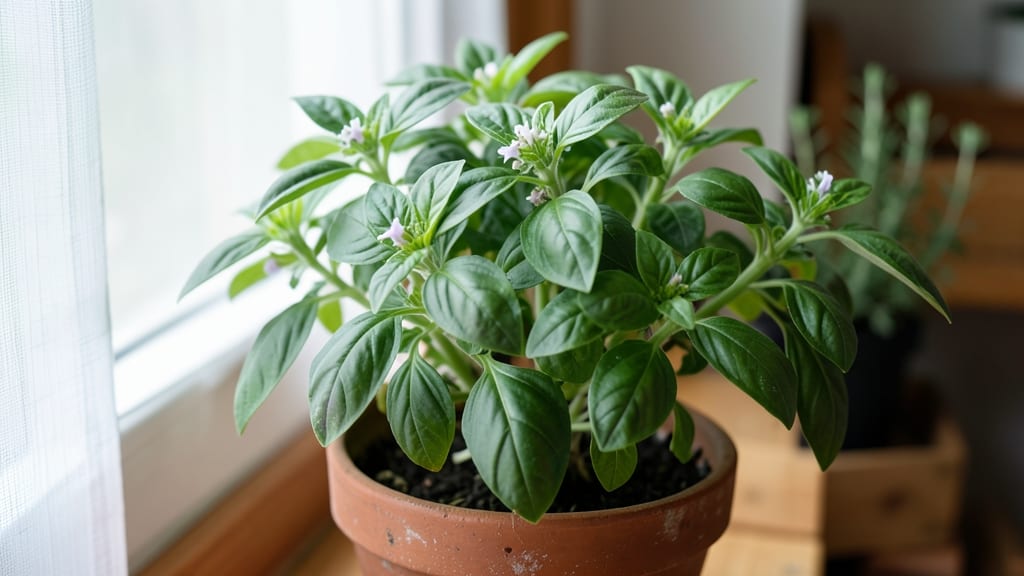
Growing basil as a shrub plant turns your herb garden into a lush, fragrant green machine. 🌿 The secret lies in treating it like a small tree—pruning strategically, feeding the roots, and giving it room to spread.
My first attempt looked like a sad, leggy stick until I learned these three steps that transformed it into a bushy, productive powerhouse.
You’ll need well-draining soil (mix in compost for that extra boost), 6-8 hours of sunlight daily, and a spot where it can grow 2-3 feet wide.
Containers work great—just ensure they’re at least 12 inches deep—and in-ground planting gives it more stability. Water consistently but avoid soggy soil; basil hates wet feet.
The magic happens with regular pruning: pinch back the tips when stems reach 6 inches, then trim back by a third after flowering to encourage bushier growth.
You’ll harvest fresh leaves all season, and the plant stays compact enough to fit on patios or in garden beds without taking over.
Watch for pests like aphids (spray with soapy water) and fungal spots (improve airflow). With these simple steps, your basil shrub will be neighbor-jealousy levels of lush by midsummer—perfect for cooking or just admiring. Ready to grow yours?
📚 In This Guide
- What you need
- Instructions
- Tips and common mistakes
- Wrapping up and next steps
What you need
- ● Basil shrub seeds or seedlings: Choose Ocimum basilicum varieties like 'Spicy Globe' or 'Sweet Basil' (3–5 plants for a small harvest).
- ● Containers or garden bed: For containers: 12-inch pots (1–2 per plant) with drainage holes.
- ● For in-ground planting: Well-draining soil in a sunny spot (6+ hours of light daily).
- ● Potting soil: High-quality, well-draining mix (e.g., Miracle-Gro Potting Mix or a blend with perlite). 5–10 gallons depending on container size.
- ● Fertilizer: Balanced liquid fertilizer (10-10-10) or organic options like compost tea.
- ● Watering can or hose: With a gentle spray nozzle for even moisture.
- ● Pruning shears: Sharp, clean scissors for trimming (sterilize with rubbing alcohol).
- ○ Mulch (optional): Straw or shredded leaves to retain moisture.
- ● Temperature: Basil thrives in 60–75°F (15–24°C). Avoid frost (<32°F/0°C).
- ● Sunlight: Full sun (6+ hours/day) or bright indirect light indoors.
- ● Humidity: Moderate to high (use a humidity tray if indoors).
- ● pH Level: Slightly acidic to neutral soil (6.0–7.0).
- ● Watering: Keep soil consistently moist but not soggy (water when top inch is dry).
- ● 🌱 Start indoors: Sow seeds 4–6 weeks before the last frost for a head start.
- ● 🌡️ Heat lovers: Basil bolts (flows to seed) in hot weather—harvest early or provide afternoon shade.
- ● ✨ Container hack: Use self-watering pots to prevent over/under-watering.
How to grow a thriving basil shrub plant
Here's the straightforward method I use to grow bushy, productive basil shrubs—no complicated tricks, just reliable results.
🌱 Step 1: Start with Healthy Starter Plants
Choose 4 healthy basil plants from your garden center or nursery. Look for compact, dark green leaves with sturdy stems—avoid leggy or yellowing plants. I always check the undersides of leaves for pests before bringing them home. Plant them in a container at least 12 inches wide and deep or directly in garden beds with well-draining soil.
Space them 8-10 inches apart if planting in the ground, or group them closely in containers to encourage bushy growth. The key here is giving each plant enough room to grow without competition, but close enough to fill in together. I like to plant mine in a square pattern for a neat, shrub-like appearance.
☀️ Step 2: Provide Consistent Light and Water
Basil thrives in full sun (6+ hours daily), so place your plants where they'll get morning sun and afternoon shade if temperatures exceed 85°F. I've found that basil grown in too-hot conditions becomes bitter quickly. Water deeply 2-3 times per week, keeping the soil evenly moist but not soggy—you'll know it's right when the top inch feels damp to the touch.
Mulch around the base with 1-2 inches of organic mulch to retain moisture and prevent weeds. This also keeps roots cool during hot days. I like to water in the morning so leaves dry quickly, reducing the risk of fungal diseases. Watch for wilting—it's your signal to water immediately, but never let the soil stay waterlogged.
✂️ Step 3: Prune and Harvest for Bushy Growth
Here's where the magic happens: prune your basil regularly to encourage that lush, shrub-like shape. When your plants reach 6 inches tall, pinch off the top set of leaves just above a pair of leaves. This forces the plant to branch out instead of growing tall and leggy. Repeat this pinching every 2-3 weeks throughout the growing season.
Harvest leaves from the top and sides of the plant, always leaving at least half the foliage intact. The more you harvest, the more your basil will grow. I like to cut stems just above a leaf node (the point where leaves attach) to encourage new growth. Avoid harvesting more than 1/3 of the plant at once, or you'll shock the shrub and slow its growth.
🌿 Step 4: Protect and Maintain Through the Season
Keep an eye out for pests like aphids or spider mites—spray with a gentle soapy water solution if you spot them early. I've found that a weekly light spray with neem oil keeps pests away without harming the plant. Fertilize lightly with a balanced liquid fertilizer every 4-6 weeks to support steady growth, but don't overdo it—basil prefers lean soil.
As summer progresses, watch for signs of stress like yellowing leaves or stunted growth. These often mean your basil needs more water, better drainage, or a bit more shade. If your plants start flowering, pinch off the buds immediately—flowering signals the plant to focus on seeds instead of leaves, and the flavor becomes bitter. With consistent care, your basil shrub will stay productive all season long.
Tips & tricks for perfect basil shrub plant care
Growing a thriving basil shrub isn't rocket science, but these simple tricks will help you avoid common pitfalls and get the bushiest, most productive plants possible.
Light and Heat Strategy: While basil loves full sun, I've learned the hard way that afternoon shade becomes critical when temperatures hit 85°F or higher. If you notice leaves curling or turning yellow, move your plants to a spot with more shade during peak heat. Morning sun followed by afternoon shade is ideal for maintaining that sweet, aromatic flavor we all love. The goal is to keep leaves cool enough to prevent bitterness while still getting plenty of light for growth.
Pruning Precision: When your basil reaches 6 inches tall, pinch off the top set of leaves just above a pair of leaves—this isn't just random trimming, it's what forces those side branches to grow. I like to use my fingernail to make a clean pinch rather than cutting with scissors. This technique creates that dense, shrub-like appearance while encouraging more leaf production. Remember, you're training the plant to grow outward rather than upward.
Watering Wisdom: The "top inch damp" rule is your best friend here. Stick your finger about an inch into the soil—if it feels dry, it's time to water. I've found that morning watering is crucial because it gives leaves plenty of time to dry before evening, which helps prevent fungal diseases like downy mildew. And never let the soil stay soggy—basil roots need oxygen too! A self-watering container can be a game-changer if you tend to forget watering days.
Pest Prevention: That weekly neem oil spray I mentioned isn't just about pests—it's also a great way to keep fungal diseases at bay. I mix 1 teaspoon of neem oil with 1 quart of water and a drop of dish soap (as an emulsifier) in a spray bottle. Apply it lightly to the tops and undersides of leaves every 7-10 days. The soap helps the oil stick to the leaves, giving it time to work its magic. This simple habit can save your basil shrub from becoming a pest buffet!
Pro Tips for Basil Shrub Plant
- Growing a thriving basil shrub isn't rocket science, but these simple tricks will help you avoid common pitfalls and ...
- Light and Heat Strategy: While basil loves full sun, I've learned the hard way that afternoon shade becomes critical ...
- Pruning Precision: When your basil reaches 6 inches tall, pinch off the top set of leaves just above a pair of leaves...
Frequently asked questions
Got questions about growing and maintaining your basil shrub plant? You’re not alone! Here are some of the most common concerns—and their easy solutions—to keep your herb thriving.
How often should I water my basil shrub plant?
Water your basil shrub consistently—about 1 to 1.5 inches per week, depending on your climate. Let the top inch of soil dry out between waterings to prevent root rot. Morning watering is best to avoid fungal issues. If the leaves wilt slightly, it’s thirsty!
When is the best time to prune my basil shrub?
Prune your basil shrub regularly to encourage bushier growth—pinch off the top leaves when the plant reaches 6 inches tall. For a full harvest, trim 1/3 of the plant just above a leaf node in spring or early summer. Avoid heavy pruning in fall, as it may stunt winter growth.
Why are my basil shrub leaves turning yellow?
Yellow leaves usually mean overwatering or nutrient deficiency. Check the soil—if it’s soggy, reduce watering. For yellowing between veins, your plant may need more magnesium (Epsom salt spray helps!). Brown edges? It could be underwatering or salt buildup from tap water.
Can I grow basil shrubs indoors? What’s the best setup?
Basil thrives indoors with 6+ hours of sunlight daily—place it near a south-facing window or use a grow light. Keep temps between 70–80°F and use well-draining pots with holes. Rotate the plant weekly for even growth. Pro tip: Humidity helps—mist leaves or use a pebble tray!
What’s a good alternative if my basil shrub isn’t thriving?
If your basil struggles with pests, heat, or humidity, try genovese basil (hardier) or thai basil (more disease-resistant). For a perennial option, consider holy basil (tulsi)—it’s drought-tolerant and sacred in many cultures!
Wrapping up and next steps
Growing a basil shrub plant is a rewarding journey that brings fresh, aromatic herbs right to your doorstep—literally! With the right soil, sunlight, and care, you’ll enjoy a bountiful harvest in no time.
Whether you’re a green thumb or a beginner, this easy guide makes it simple to cultivate a thriving basil plant that’ll elevate your cooking and brighten your space.
🌱 Ready to dive in? Start by gathering your supplies, follow the steps with confidence, and soon you’ll be snipping fresh basil for pesto, salads, or teas. Happy planting—and enjoy the delicious (and fragrant) results!