
Shrubs
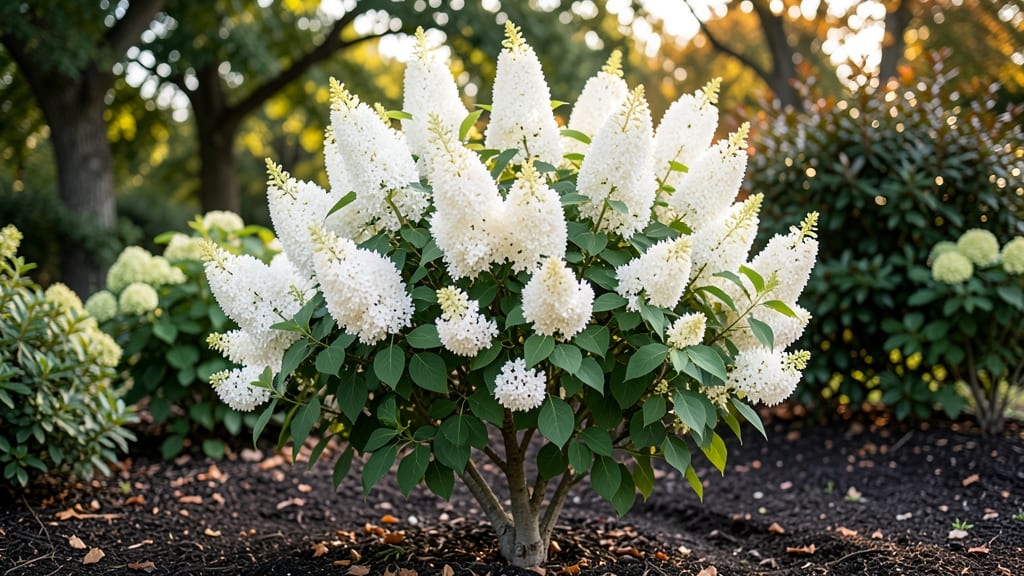
The angel white lilac shrub transforms any garden into a fragrant sanctuary with its pure white blooms and effortless charm. 🌸 I planted mine last spring, and within two years, it became the centerpiece of my yard—not just for its beauty, but because it requires almost no fuss to thrive.
This lilac variety is a thorn-free dream for pruning, with blooms that smell like spring in a bottle. Unlike its thorny cousins, it stays compact (6-8 feet tall) and handles pruning like a pro—even if you're new to shaping shrubs.
The key is timing: prune right after flowering to encourage next year's blooms, and you'll get abundant, healthy growth without sacrificing flowers.
📚 In This Guide
- What you need
- Instructions
- Tips and common mistakes
- Wrapping up and next steps
What you need
- ● Angel White Lilac Shrub: 1 healthy nursery-grown plant (choose a 1- to 3-gallon container for best results).
- ● Well-draining soil: 3–5 bags of loamy garden soil (mix with 1–2 bags of compost for nutrients).
- ● Sunlight location: A spot with full sun (6+ hours/day) or partial shade (4–6 hours) in hot climates.
- ● Watering can or hose: With a gentle spray nozzle for deep but controlled watering.
- ● Fertilizer: 1 bag of balanced, slow-release fertilizer (10-10-10 or 20-20-20) or organic options like composted manure.
- ● Pruning shears: Bypass pruners (sharp, clean, and sterilized with rubbing alcohol).
- ● Gloves: Heavy-duty gardening gloves (lilacs can have tiny thorns on stems!).
- ● Mulch: 2–3 bags of organic mulch (wood chips or shredded bark) to retain moisture.
- ● Soil pH tester: Lilacs prefer neutral to slightly alkaline soil (pH 6.0–7.5)—adjust with lime if needed.
- ● Staking: 2–3 bamboo stakes + soft ties if your shrub is young or top-heavy.
- ● Plant food spikes: For extra nutrients during blooming season.
- ● Pest control: Neem oil or insecticidal soap (prevents aphids or spider mites).
- ● Decorative rocks: For a polished look around the base of your shrub.
Step-by-Step instructions for pruning Angel White lilac shrubs
Here's how I keep my Angel White lilacs thriving with fragrant blooms and healthy growth every year.
✂️ Step 1: Prune Immediately After Flowering
Cut back spent blooms as soon as they fade—this prevents seed formation and redirects energy to next year's flowers. Use clean, sharp pruners to make cuts just above a set of leaves or bud. I always prune in early summer, right after the last bloom drops, to avoid cutting off next season's flower buds.
Remove any dead, diseased, or crossing branches first. These suck up resources and can spread problems. If a branch is completely dead (no green at the base), cut it out entirely. For crossing branches, remove the smaller one to improve airflow and reduce future tangles.
☀️ Step 2: Thin Out Overcrowded Branches
Look for branches that grow inward or rub against each other—they'll create weak spots and invite pests. Aim to open up the center of the shrub so light and air can circulate freely. I usually remove about 10-20% of the oldest wood each year to maintain a youthful plant.
Cut back to a strong outward-facing bud or branch. Never leave stubs—they invite rot and disease. If you're unsure which branch to keep, choose the one with the most vigorous growth. You'll see the shrub's natural shape emerge as you thin.
🌿 Step 3: Shape for Optimal Growth
Step back and assess the overall shape—lilacs naturally grow in rounded forms. Prune to encourage a slightly dome-like structure with the widest point at the top. Avoid heavy pruning on young shrubs; they establish roots best when left mostly intact.
For established shrubs, I lightly trim the outer edges to maintain a neat silhouette. Never remove more than one-third of the plant's foliage in a single season—this stresses the shrub and reduces flowering. Watch for new growth after pruning; healthy stems will thicken and show fresh green leaves within weeks.
⏰ Step 4: Maintain Through the Growing Season
Check your lilac monthly for new shoots growing from the base or crowded branches. Remove these promptly—they compete with the main structure. I also deadhead any stray flowers that appear outside the main blooming season to keep energy focused on the primary display.
In late summer, give the shrub a light trim to tidy up any ragged edges. This isn't about heavy pruning but about keeping the plant looking its best. Avoid pruning after mid-summer, as new growth won't harden off before winter and may freeze.
❄️ Step 5: Winter Protection (If Needed)
If you're in a colder climate, wrap young shrubs with burlap after the first hard frost to protect tender new growth. Older, established lilacs usually handle winter well, but a thick layer of mulch helps insulate roots. I wait until the ground freezes before mulching to avoid trapping moisture.
In early spring, remove any winter protection before buds begin to swell. Check for winter damage—brown, mushy stems should be pruned out immediately. Healthy buds will plump up and show bright green tips, signaling it's time to start regular maintenance again.
Tips & tricks for pruning Angel White lilac shrubs
Here's what nobody tells you about keeping your Angel White lilacs looking their absolute best year after year.
Timing is Everything: Don't wait until fall to prune—early summer is the magic window for Angel White lilacs. Pruning right after the last bloom drops (typically June) ensures you don't accidentally cut off next year's flower buds, which form right after blooming. I've learned this the hard way after seeing blooms disappear for a whole season!
The 10-20% Rule: When thinning overcrowded branches in Step 2, aim to remove about 10-20% of the oldest wood each year. This keeps your shrub youthful and prevents overcrowding. Look for branches growing inward—they'll create weak spots and invite pests. I always cut back to a strong outward-facing bud to encourage better growth patterns.
Shape Matters: Step back and assess your lilac's natural rounded shape before pruning. Encourage a slightly dome-like structure with the widest point at the top. For established shrubs, lightly trim outer edges to maintain that neat silhouette. Remember, never remove more than one-third of the foliage in a single season—this stresses the plant and can reduce flowering.
Winter Prep: If you're in a colder climate, protect young shrubs with burlap after the first hard frost. For established lilacs, a thick layer of mulch helps insulate roots. I wait until the ground freezes before mulching to avoid trapping moisture. In early spring, remove any winter protection before buds begin to swell—this prevents damage to emerging growth.
Pro Tips for Angel White Lilac Shrub
- Here's what nobody tells you about keeping your Angel White lilacs looking their absolute best year after year.
- Timing is Everything: Don't wait until fall to prune—early summer is the magic window for Angel White lilacs. Pruning...
- The 10-20% Rule: When thinning overcrowded branches in Step 2, aim to remove about 10-20% of the oldest wood each yea...
Frequently asked questions
Got questions about your Angel White Lilac shrub? We’ve got answers!
Whether you’re a first-time grower or a seasoned gardener, these common queries will help you keep your fragrant beauty thriving. Let’s dive in!
How fast does an Angel White Lilac shrub grow, and how big will it get?
The Angel White Lilac grows at a moderate pace, typically adding 12–24 inches per year. With proper care, it matures to 6–10 feet tall and wide, making it a stunning focal point in landscapes. Pro tip: Regular pruning (especially after blooming) helps control its size and encourages bushier growth!
When is the best time to prune my Angel White Lilac?
Prune your Angel White Lilac right after flowering (late spring to early summer) to shape it and promote next year’s blooms. Avoid heavy pruning in fall or winter, as it blooms on old wood—cutting back too late can reduce flowers. For thorn-free stems, trim just above a leaf bud or outward-facing branch.
Why isn’t my Angel White Lilac blooming this year?
No blooms? Don’t panic! Common causes include:
- Over-pruning (especially in late summer/fall).
- Poor sunlight (needs full sun, 6+ hours/day).
- Nutrient deficiency (feed with balanced fertilizer in early spring).
- Age—young shrubs (under 3 years) may not bloom yet.
Can I grow Angel White Lilac in a container, or is it better in the ground?
Yes! While Angel White Lilacs thrive in the ground, they can grow in large containers (24"+ diameter) with well-draining soil and regular watering. Key tips:
- Use a fast-draining mix (add perlite or sand).
- Repot every 3–4 years to refresh soil.
- Move containers to full sun in summer for best blooms.
How cold-hardy is the Angel White Lilac, and does it need winter protection?
The Angel White Lilac is hardy in USDA Zones 3–8, meaning it tolerates down to -40°F (-40°C)! In milder climates (Zones 7–8), it may bloom earlier—prune lightly to shape. No winter protection is needed unless you’re in a windy or exposed area; in that case, a light mulch layer (2–3 inches) helps.
Wrapping up and next steps
Transforming your garden with the angel white lilac shrub is a rewarding journey—one that combines beauty, fragrance, and low-maintenance charm! 🌸 With the right pruning techniques, you’ll enjoy lush, thorn-free blooms year after year.
Whether you’re a seasoned gardener or just starting, these secrets will help you cultivate a stunning, fragrant centerpiece that brings joy to your outdoor space.
Ready to take the next step? Grab your pruners, mark your calendar for late spring or early summer, and give your angel white lilac the care it deserves! Your garden (and your senses) will thank you.