
Succulent
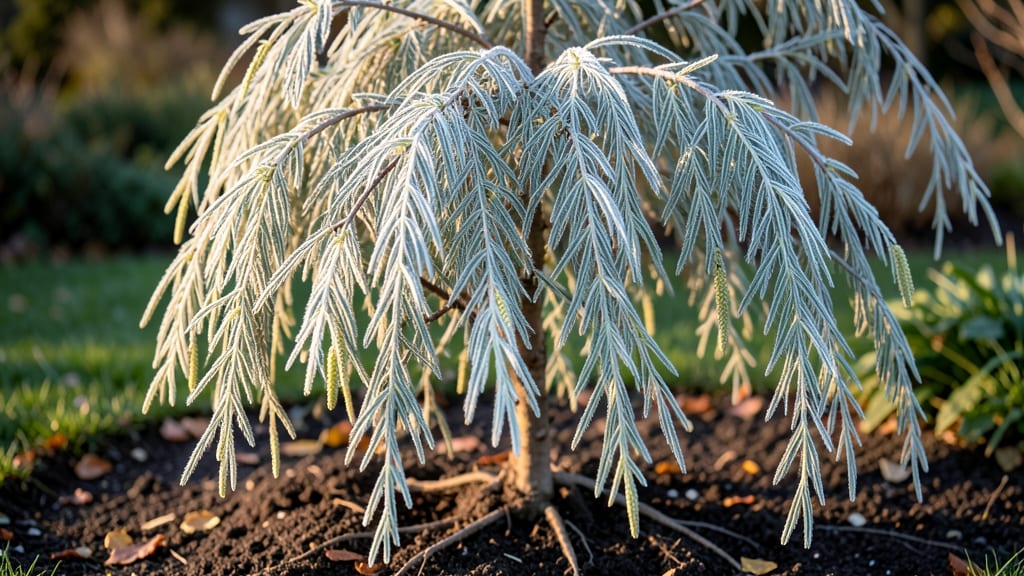
Your garden just got a fragrant, thorn-free centerpiece that thrives in winter. 🌿 The Arctic Blue Willow shrub (Salix integra 'Arctic Blue') grows with graceful, weeping branches that cascade like a waterfall—without the messy seeds or thorns of other willows.
It’s the perfect shrub for cool climates, offering year-round interest and a delicate, sweet fragrance when the breeze stirs its silvery-blue foliage. Planting is simple: this shrub loves moist, well-draining soil and 4-6 hours of sunlight daily, though it tolerates partial shade.
In zones 5-8, it handles snow and frost like a champ, making it a low-maintenance star for borders, containers, or even as a living privacy screen. Just avoid soggy soil—this willow hates "wet feet." Pruning is where the magic happens.
Trim in late winter or early spring to shape its graceful form, and watch it respond with fresh, vibrant growth. The secret to keeping it lush? A consistent watering schedule—especially in its first year—followed by minimal fuss once established.
Pests rarely bother it, but keep an eye out for aphids (a quick spray of soapy water does the trick). By summer, you’ll have a silvery-blue waterfall of foliage that sways in the wind, releasing that subtle, sweet scent.
It’s the kind of plant that makes neighbors ask, "What is that gorgeous thing?"—and the answer is yours to share.
📚 In This Guide
- What you need
- Instructions
- Tips and common mistakes
- Wrapping up and next steps
What you need
- ● Arctic Blue Willow Shrub (Epilobium latifolium 'Arctic Blue') – 1 healthy plant (ensure it’s disease-free and well-rooted).
- ● Well-draining potting mix – 5-10 gallons (for containers) or amended garden soil (for in-ground planting). Pro tip: Mix in perlite or sand (20-30%) for aeration!
- ○ Container (optional but recommended for controlled growth) – 12-18" diameter pot with drainage holes (terracotta or fabric pots work best).
- ● Balanced fertilizer (10-10-10 or 20-20-20) – 1-2 tablespoons per gallon of water (diluted to half-strength).
- ● Pruning shears – Sharp, sterilized shears for trimming and shaping.
- ● Watering can or hose with a gentle spray nozzle – For consistent moisture without over-saturating roots.
- ● Gloves – Gardening gloves to protect your hands from soil and sap.
- ● Trowel or spade – For planting or transplanting (if in-ground).
- ○ Mulch (optional but helpful) – 2-3 inches of organic mulch (e.g., shredded bark or straw) to retain moisture and suppress weeds.
- ● Sunlight assessment – A spot with full sun to partial shade (6+ hours of sunlight daily for optimal growth).
- ● Patience! 🌱 – This shrub thrives with time—give it 2-3 years to reach its full fragrant, thorn-free glory.
- ● Slow-release fertilizer pellets – For hassle-free nutrition over 3-6 months.
- ● Plant support stake – If growing in a windy area (though Arctic Blue is naturally sturdy!).
- ● Humidity tray or pebble tray – To boost moisture levels in dry climates.
- ● Companion plants – Pair with heuchera or ferns for a lush, layered look.
Step-by-Step guide to planting and caring for Arctic Blue Willow shrubs
This fragrant, thorn-free beauty thrives with the right placement and care—here’s how to grow one successfully.
🌱 Step 1: Choose the Perfect Planting Spot
Arctic Blue willows love full sun to partial shade, but they’ll grow best with at least 6 hours of direct sunlight daily. I always pick a spot where the shrub has room to spread—these beauties can reach 10-15 feet wide over time. Avoid low-lying areas where cold air pools, as they’re not frost-tolerant past Zone 5.
Check the soil drainage before planting. If your yard has heavy clay, amend the area with 2-3 inches of compost mixed into the top 12 inches of soil. The roots need loose, well-draining soil to prevent rot. A slight mound in the planting hole helps water run off instead of pooling around the base.
🪴 Step 2: Plant at the Right Depth and Water Well
Dig a hole twice as wide as the root ball but only as deep—planting too deep suffocates the roots. Gently loosen the roots if they’re circling tightly in the pot, then place the shrub in the hole so the top of the root ball sits 1 inch above ground level. This prevents soil from settling later and burying the stem.
Backfill with native soil, tamping lightly as you go to remove air pockets. Water deeply right after planting—1-2 gallons—to settle the soil and encourage root spread. The soil should be moist 6 inches down after watering. Mulch with 2-3 inches of organic mulch (like shredded bark) to retain moisture and protect roots from temperature swings.
☀️ Step 3: Prune for Shape and Fragrance in Early Spring
Arctic Blue willows bloom best when pruned right after the last frost but before new growth starts. I always start by removing dead or crossing branches at the base, cutting just above a healthy bud. This keeps the canopy open and airy, which boosts fragrance and reduces disease risk.
Shape the shrub by trimming back any leggy growth to one-third of its length. Avoid heavy pruning in late summer—it stimulates tender new growth that won’t harden off before winter. After pruning, apply a balanced fertilizer (10-10-10) to encourage strong regrowth. Water again if the soil feels dry 2 inches down.
💧 Step 4: Maintain Moisture and Monitor for Pests
Young Arctic Blue willows need consistent moisture—water 1-2 times weekly during the first growing season, aiming for 1 inch of water per week. Mature shrubs are drought-tolerant once established, but they’ll reward you with lush foliage if you keep the soil evenly moist during dry spells.
Watch for aphids or spider mites, which love the tender new growth. I spray with neem oil at the first sign of pests—it’s gentle but effective. If the leaves start yellowing, check for overwatering (roots need air) or nutrient deficiency (apply a slow-release fertilizer in early spring).
⏰ Step 5: Prepare for Winter and Encourage Long-Term Growth
In Zone 5 and colder, protect young shrubs with 4-6 inches of mulch around the base before the first hard frost. Mature willows handle winter well, but a thick layer of mulch prevents heaving and keeps roots insulated. Prune lightly in late winter to shape the shrub before spring growth kicks in.
Every 2-3 years, fertilize in early spring with compost or a slow-release granular fertilizer to keep the soil rich. These shrubs thrive with minimal fuss once established—just give them space, sunlight, and occasional pruning. You’ll love the fragrant foliage and easy-care nature of Arctic Blue willows!
Tips & tricks for perfect Arctic Blue Willow shrub growth
Here's what I've learned from years of growing these fragrant beauties—small details that make all the difference.
Sunlight Strategy: Those 6 hours of daily sun are non-negotiable, but here's the thing—morning sun is more important than afternoon. Plant your Arctic Blue willow where it gets eastern or southern exposure. I've seen shrubs struggle when planted on western sides where afternoon heat can stress them, even with 6+ hours of total sun. A slight mound in the planting area helps prevent water pooling at the base, which these shrubs hate.
Root Ball Preparation: Before planting, soak the root ball in water for 10-15 minutes to hydrate the roots. This isn't mentioned in the instructions but makes a huge difference, especially in dry conditions. I also score the bottom of the root ball with a knife if the roots are tightly circling—they'll spread better once in the ground. This prevents that "pot-bound" look where roots stay compacted.
Mulching Mastery: That 2-3 inches of organic mulch is perfect, but here's my pro move: use a mulch with larger chunks (like wood chips) rather than fine shreds. It breaks down slower and provides better insulation. I always keep mulch 2-3 inches away from the stem to prevent rot. And in winter, I add an extra 2 inches of mulch—it makes all the difference for cold-hardy varieties like Arctic Blue.
Pruning Precision: When you're trimming back that leggy growth to one-third its length in Step 3, cut at a 45-degree angle just above a leaf bud. This encourages stronger regrowth. I always prune on a dry day—wet conditions can spread disease. And here's a secret: the best time to prune for fragrance is actually late summer after the first flush of blooms—it stimulates new growth that smells amazing.
Pro Tips for Arctic Blue Willow Shrub
- Here's what I've learned from years of growing these fragrant beauties—small details that make all the difference.
- Sunlight Strategy: Those 6 hours of daily sun are non-negotiable, but here's the thing—morning sun is more important ...
- Root Ball Preparation: Before planting, soak the root ball in water for 10-15 minutes to hydrate the roots. This isn'...
Frequently asked questions
How fast does the Arctic Blue Willow Shrub grow?
The Arctic Blue Willow is a moderate grower, typically adding 12–24 inches per year under ideal conditions. With proper sunlight (6+ hours daily) and well-draining soil, it can reach 6–10 feet tall within 3–5 years. Prune lightly in spring to encourage bushier growth and prevent legginess!
Is this shrub cold-hardy? Can it survive winter?
This shrub thrives in USDA Zones 5–9, making it highly cold-resistant (down to -20°F/-29°C). For extra protection in colder climates, mulch the base with 3–4 inches of organic matter (like wood chips) after the first frost. It’s also drought-tolerant once established, so minimal winter care is needed!
What’s the best way to prune it for a fuller look?
Prune in late winter or early spring before new growth starts. Use clean, sharp shears to trim back 1/3 of the plant or shape it into a rounded form. Avoid heavy pruning in fall—it can stunt growth. Pro tip: Pinch back new growth tips in summer to encourage branching and a denser canopy!
Does the Arctic Blue Willow attract bees or pests?
Great news—this shrub is bee-friendly thanks to its fragrant blooms! However, it’s resistant to most pests like aphids or spider mites due to its Salvia lineage. If you spot whiteflies, spray with neem oil or introduce ladybugs. Overwatering can attract fungus gnats, so ensure well-draining soil to keep pests at bay.
Can I grow it in a container? What’s the ideal pot size?
Yes! It’s perfect for containers—just choose a wide, shallow pot (18+ inches in diameter) with drainage holes. Use a cactus/succulent mix blended with perlite for airflow. Repot every 2–3 years or when roots circle the pot. Bonus: Place it near a patio or balcony to enjoy its fragrance up close!
What are some alternatives if I want a similar look but lower maintenance?
If you love the Arctic Blue Willow’s silvery-blue foliage and drought tolerance, try these low-fuss swaps:
- Lamb’s Ear (Stachys byzantina) – Soft, fuzzy leaves; thrives in full sun.
- Silver Falls Dichondra (Dichondra argentea) – Trailing habit, great for hanging pots.
- Blue Chalksticks (Senecio serpens) – Compact, drought-proof, and thrives in heat.
Wrapping up and next steps
The Arctic Blue Willow Shrub is a stunning, low-maintenance addition to any garden, offering fragrant blooms and elegant, thorn-free foliage without the hassle.
Whether you’re a seasoned gardener or just starting out, its resilience and beauty make it a dream plant to grow—just remember to provide well-draining soil, bright light, and occasional pruning for that perfect, bushy shape!
Ready to transform your space? Grab your supplies, follow the steps, and watch your Arctic Blue Willow thrive! 🌿✨ Start planting today!