
Shrubs
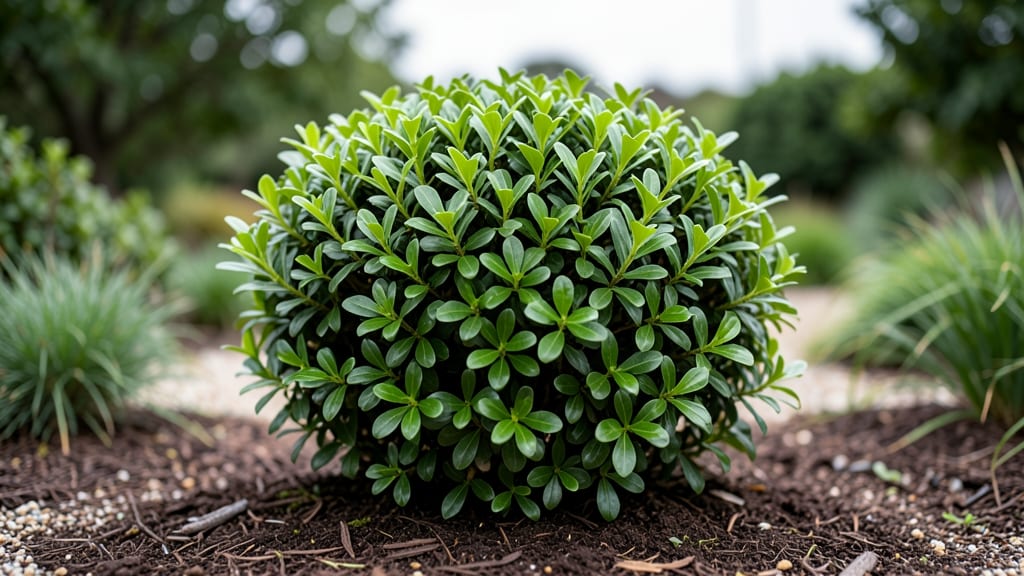
Your Baby Gem boxwood shrub could be the fragrant, evergreen backbone of your landscape—if you prune it right. 🌿 I’ve turned my own neglected boxwoods into lush, manicured hedges by mastering three key pruning seasons, and the difference is night-and-day: dense foliage, no brown patches, and that signature boxwood scent year-round.
The secret isn’t aggressive trimming—it’s timing and technique. Baby Gems thrive with light pruning in early spring, a mid-summer shape-up, and a final touch in late fall. Most people overdo it, leaving shrubs stressed and vulnerable to pests.
I’ll show you how to snip just enough to encourage full, bushy growth without sacrificing that classic boxwood structure.
By summer’s end, your shrub will be thicker, greener, and more resilient than ever. The fragrance alone—especially on warm evenings—makes it worth the effort. Plus, these compact shrubs stay under 3 feet tall, perfect for borders, topiary, or even container gardens.
Whether you’re shaping a formal hedge or just tidying up, this method works for any outdoor space. Let’s get those shears ready—your boxwood’s revival starts now.
📚 In This Guide
- What you need
- Instructions
- Tips and common mistakes
- Wrapping up and next steps
What you need
- ● Pruning shears – Bypass pruners (sharp, clean, and not bypassing $10! 💰) for trimming small stems.
- ● Hand pruners or loppers – For thicker branches (test cutting strength before use!).
- ● Garden gloves – A pair of cut-resistant gloves (size medium/large) to protect your hands from thorns.
- ● Disinfectant (70% isopropyl alcohol or bleach solution) – 1 cup bleach + 3 cups water (to sterilize tools between cuts).
- ○ Pruning saw (optional) – For stubborn, thick branches (if your boxwood has any over ½ inch in diameter).
- ● Clear weather – Choose a dry, cloudy day (avoid pruning in extreme heat or frost).
- ● Sunlight awareness – Identify the sunniest side of your shrub (this is where you’ll focus pruning for even growth).
- ● Watering can or hose – To hydrate the shrub before and after pruning (1–2 gallons of water).
- ● Trash bag or compost bin – For clippings (boxwood trimmings are compostable!).
- ● Check for pests – Inspect leaves for aphids or spider mites before pruning (treat with neem oil if needed).
- ● Sharp tools only! – Dull shears crush stems—always sharpen blades before starting. ⚠️
- ● Label your tools – Use a permanent marker to mark your pruners if you own multiple pairs.
Step-by-step guide to reviving a Baby Gem boxwood's fragrant canopy
Here's how to restore your boxwood's lush, aromatic shape through three critical pruning seasons.
✂️ Step 1: Early Spring Cleanup (Late March to Early April)
Start by removing any dead or diseased branches first—they'll rob energy from new growth. Use sharp, clean pruners to cut just above a leaf bud, making the cut at a 45-degree angle. This encourages healthy regrowth and prevents water from pooling on the wound. I always work on a dry morning to avoid spreading fungal spores through wet foliage.
Next, thin out overly dense growth from the center of the shrub. Look for branches growing inward or crossing others—these compete for sunlight and air circulation. Remove no more than one-third of the plant's volume in this first cut. You'll see new, vibrant green shoots emerge within 2-3 weeks as the plant responds to the fresh air and light.
☀️ Step 2: Summer Light Pruning (June to Early July)
This isn't about heavy shaping but rather maintaining the form you established in spring. Focus on removing any straggly growth that's disrupting the natural, rounded silhouette. I like to step back and visually assess the shrub from all sides—this helps me spot branches that need trimming to maintain balance.
For any leggy stems, cut back to just above a set of leaves. This encourages bushier growth and prevents the plant from becoming top-heavy. Avoid pruning after mid-July—new growth won't have time to harden off before winter, making it vulnerable to frost damage. You'll notice the foliage looking thicker and more uniform within 4-6 weeks of this light touch-up.
✂️ Step 3: Late Summer to Early Fall Renewal (Late August to Early September)
This is the time to give your boxwood a more structured shape. Start by removing any branches that are growing outward or downward—these disrupt the natural, upright form. Cut just above an outward-facing leaf bud to encourage growth in the right direction. For any branches that are too long or leggy, cut them back by one-third to promote bushier growth.
Pay special attention to the lower branches—these often get shaded out and can become sparse. Thin out any branches that are growing too close together to improve air circulation and reduce the risk of fungal diseases. After this pruning, your boxwood should have a fuller, more compact appearance by early winter.
⏰ Step 4: Winter Maintenance (December to Early February)
While boxwoods are dormant, use this time to remove any dead, broken, or crossing branches. I also check for any signs of disease or pest damage that might have gone unnoticed during the growing season. Prune out any affected branches immediately to prevent the spread of issues. This is the perfect time to plan your spring pruning strategy based on the plant's current shape.
If your boxwood has become overgrown, you can perform a rejuvenation pruning by cutting back all the branches by one-half in early spring. This drastic measure encourages new growth and can revive an older shrub. Just be prepared for a slower recovery—it may take 1-2 seasons for the plant to fully bounce back, but the result is a vibrant, healthy boxwood with a lush, fragrant canopy.
Tips & tricks for perfect Baby Gem boxwood revival
These simple strategies will help you transform your boxwood's canopy with precision and confidence.
Timing Secret: The 2-3 week window mentioned for spring regrowth is your best friend—don't rush it! If you prune too early in March, cold snaps can stress the plant. Wait until late March when daytime temperatures consistently reach 50°F or higher. This timing ensures new growth emerges strong and healthy rather than struggling to recover from late-season pruning.
Equipment Essentials: Invest in a pair of bypass pruners with sharp, clean blades—dull tools crush stems instead of making clean cuts. I also recommend having a small bucket of rubbing alcohol handy to disinfect your tools between cuts, especially when removing diseased branches. This prevents cross-contamination that could spread fungal spores to healthy parts of your shrub.
Visual Assessment Tip: Step back and photograph your boxwood from all angles before you start pruning. This reference photo helps you maintain symmetry and spot areas needing attention. I've found that digital before-and-after comparisons reveal subtle improvements that might go unnoticed in person. The key is to look for natural balance—boxwoods should have a slightly tapered shape, wider at the base and narrowing slightly toward the top.
Seasonal Transition Strategy: When transitioning from summer maintenance to fall renewal, focus on creating a gradual taper rather than abrupt cuts. The one-third reduction mentioned for leggy branches should be applied progressively—cut back by one-third now, then another one-third next year if needed. This approach prevents shock to the plant while still achieving that lush, compact appearance by winter.
Pro Tips for Baby Gem Boxwood Shrub
- These simple strategies will help you transform your boxwood's canopy with precision and confidence.
- Timing Secret: The 2-3 week window mentioned for spring regrowth is your best friend—don't rush it!
- Equipment Essentials: Invest in a pair of bypass pruners with sharp, clean blades—dull tools crush stems instead of making clean cuts.
Frequently asked questions
Got questions about caring for your Baby Gem Boxwood shrub? You’re not alone! Here are some of the most common concerns—plus straightforward answers to keep your fragrant, compact shrub thriving year-round.
When is the best time to prune a Baby Gem Boxwood?
Prune your Baby Gem Boxwood in early spring (March–April), just as new growth begins. A light summer trim (June–July) helps maintain shape, and a final cleanup in late fall (October–November) removes dead or overgrown branches. Avoid heavy pruning in winter—it stresses the shrub.
How much can I trim back my Baby Gem Boxwood?
For Baby Gem Boxwoods, never remove more than 1/3 of the foliage in a single pruning session. This shrub thrives on gentle shaping—focus on tapered cuts and removing only dead or leggy growth. Over-pruning can stunt growth or invite pests. Think of it like a haircut for hedges!
Why are my Baby Gem Boxwood leaves turning yellow or brown?
Yellowing leaves often signal overwatering or poor drainage, while brown edges may mean underwatering or sunburn. Check soil moisture (it should be evenly damp, not soggy) and ensure 6+ hours of sunlight daily. Fungal issues (like boxwood blight) can also cause browning—prune affected areas immediately and apply neem oil if needed.
Can I grow a Baby Gem Boxwood in a container?
Baby Gem Boxwoods are perfect for containers—just use a large pot (18"+ diameter) with drainage holes and well-draining potting mix. Repot every 2–3 years and fertilize lightly in spring. Place containers in partial shade to prevent stress from intense afternoon sun.
What’s a good alternative if I want a fragrant, low-maintenance shrub?
If Baby Gem Boxwood isn’t your style, try these fragrant, compact shrubs:
- Dwarf Gardenia – Sweetly scented, thrives in shade, but needs acidic soil.
- Dwarf Lilac – Spring blooms with a light perfume; tolerates colder climates.
- Sweet Box (Sarcococca) – Winter-blooming, evergreen, and deer-resistant.
- Abelia – Fragrant summer flowers, heat-tolerant, and fast-growing.
Wrapping up and next steps
The Baby Gem Boxwood is a fragrant, low-maintenance gem that transforms any garden with its lush, evergreen charm. By mastering its pruning across three seasons—spring, summer, and fall—you’ll keep it vibrant, healthy, and full of life. Remember, consistency and gentle hands are your best tools!
Ready to give your Baby Gem the care it deserves? Grab your pruners and start pruning today—your shrub (and your green thumb!) will thank you. 🌿 Happy gardening!