
Flowers
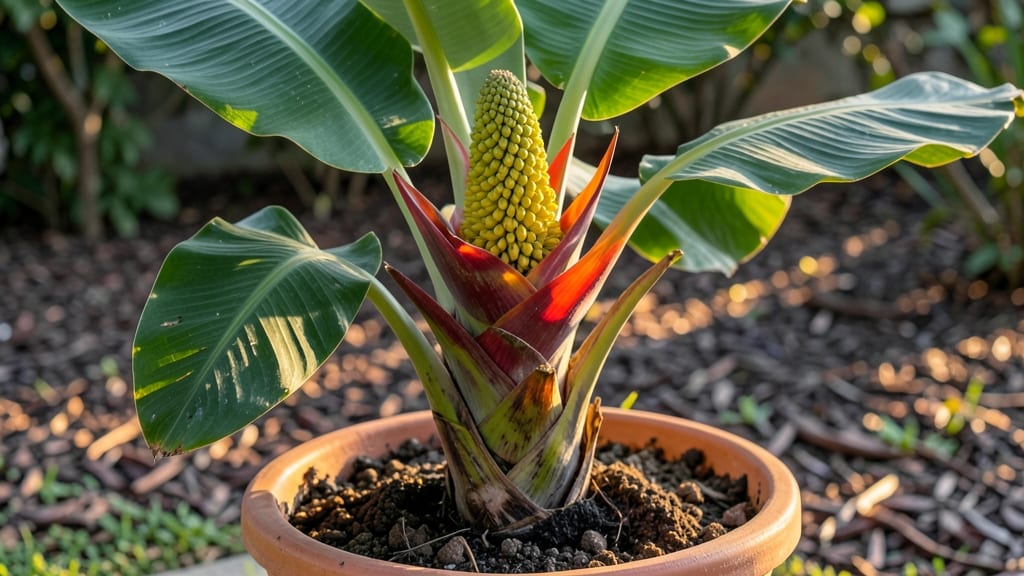
Growing banana shrub flowers (Michelia figo) means waking up to intoxicating jasmine-like fragrance year-round. 🌿 I fell in love with this plant after seeing how its glossy, banana-shaped leaves and creamy-white blooms transformed my patio into a tropical retreat—all while staying contained in pots.
The secret to success lies in mimicking its natural habitat: bright, indirect light, well-draining soil, and consistent moisture without soggy roots. Unlike high-maintenance tropicals, banana shrubs thrive in containers with minimal fuss—just repot every 2-3 years when roots crowd the pot.
Prune lightly after flowering to encourage bushier growth, and watch as new blooms form within weeks.
What you'll end up with is a plant that rewards patience with fragrant blooms from spring through fall (and sometimes winter too). The scent lingers in the air long after the flowers fade, making it perfect for decks, balconies, or even as a fragrant indoor plant during cooler months.
Even in small spaces, this shrub delivers big impact.
For experienced gardeners, try propagating from cuttings in spring—it's easier than you'd think. Just keep an eye out for mealybugs on new growth, and you'll have a thriving banana shrub that becomes the star of any outdoor space. Ready to grow yours?
📚 In This Guide
- What you need
- Instructions
- Tips and common mistakes
- Wrapping up and next steps
What you need
- ● Banana Shrub Plant: 1-2 nursery-grown Michelia figo plants (3–6 feet tall, potted or bare-root). Choose healthy specimens with vibrant green leaves and no signs of pests.
- ● Well-Draining Soil: 5–10 gallons of a mix of: 60% high-quality potting soil (e.g., Miracle-Gro or Fox Farm Ocean Forest)
- ● 30% perlite or coarse sand (for aeration)
- ● 10% compost or worm castings (for nutrients)
- ○ Containers (Optional but Recommended): 1–2 large pots (15–20 gallons each) with drainage holes
- ● OR a raised garden bed (minimum 18" deep)
- ● Drainage Layer: 2–3 inches of small gravel, pebbles, or broken pottery (to prevent root rot).
- ● Slow-Release Fertilizer: 1 cup of balanced granular fertilizer (10-10-10 or 20-20-20) or organic options like fish emulsion.
- ● Gloves & Apron: Protect your hands and clothes from soil and sap.
- ● Trowel or Spade: For planting and soil amendments.
- ● Watering Can or Hose: With a gentle spray nozzle (banana shrubs hate soggy roots!).
- ● Pruning Shears: Sharp, sterilized shears for trimming dead blooms or shaping.
- ○ Mulch (Optional): 2–3 inches of shredded bark or pine needles to retain moisture and regulate temperature.
- ● Sunlight Spot: A location with partial shade to dappled sunlight (4–6 hours of indirect light daily). Avoid harsh afternoon sun.
- ● Humidity Boost (Indoor Growers): Humidifier or
- ● Pebble tray with water (place container on top)
- ● pH Check: Test soil pH (ideal range: 5.5–6.5). Use sulfur to lower pH if needed.
- ● Winter Prep (Cold Climates): Move containers indoors near a bright window or use frost cloth for outdoor plants.
- ● Fragrance Boost: Plant near seating areas or windows to enjoy the intoxicating banana-like scent!
How to grow banana shrub flowers in containers for year-round blooms
This fragrant beauty thrives in containers with minimal fuss—here’s how to coax vibrant flowers and intoxicating scent from your patio.
🌱 Step 1: Select the Right Container and Soil Mix
Choose a 12-15 inch diameter pot with drainage holes—banana shrubs despise soggy roots. I use unglazed terra cotta because it breathes, but any container with drainage works. Fill the bottom third with gravelfree potting mix to improve drainage, then add a high-quality, well-draining potting mix enriched with compost for nutrients.
Press the soil down gently to remove air pockets, but don’t compact it—banana shrubs need loose, aerated roots. The mix should feel like a damp sponge when squeezed, not muddy. I always add a handful of perlite to prevent compaction, especially in clay-heavy soils.
☀️ Step 2: Plant and Position for Optimal Sunlight
Dig a hole twice as wide as the root ball but only as deep. Place the banana shrub at the same depth it was growing before, then backfill with soil, pressing lightly to eliminate gaps. Water deeply to settle the roots—you’ll see soil level drop slightly as it compacts.
Banana shrubs need full sun (6-8 hours daily) for best blooms, but they tolerate partial shade (4-6 hours) if your climate is scorching. I position mine on a south-facing patio where they get morning sun and afternoon shade in summer. Watch for leaves curling—this signals too much direct sun, so adjust placement if needed.
💧 Step 3: Water and Fertilize for Continuous Blooms
Water when the top 2 inches of soil feel dry—banana shrubs are drought-tolerant once established, but they reward consistent moisture with more flowers. I use a soaker hose to water deeply at the base, avoiding wetting the foliage to prevent fungal issues.
Feed every 4-6 weeks with a balanced liquid fertilizer (10-10-10) during spring and summer. Cut back to monthly in fall and winter—over-fertilizing stresses the plant and reduces fragrance. I always water before fertilizing to prevent root burn.
✂️ Step 4: Prune and Maintain for Year-Round Health
Deadhead spent blooms regularly to encourage more flowers—pinch off faded flowers with your fingers or clean pruners. I also trim leggy stems in early spring to promote bushier growth. Never cut into old wood, as banana shrubs bloom on new growth.
In late winter, give the plant a light trim to shape it and remove any dead or crossing branches. This ensures airflow and prevents disease. I also rotate the pot quarter-turns weekly so the plant grows evenly toward the light.
🌿 Step 5: Overwinter for Next Year’s Blooms
Banana shrubs are semi-evergreen in mild climates but may drop some leaves in winter. Reduce watering to every 2-3 weeks once temperatures drop below 50°F, and stop fertilizing entirely. Move pots to a sheltered spot if frost is forecasted.
Mulch the soil surface with 2-3 inches of straw to insulate roots and retain moisture. In colder zones, wrap the pot in burlap for extra protection. Come spring, resume regular care—you’ll see new growth within 4-6 weeks if the plant was healthy.
Tips & tricks for perfect banana shrub flower container cultivation
Here’s what I’ve learned after years of growing these fragrant beauties—details that make all the difference between a struggling plant and one that bursts with scent.
Container Material Matters: Unglazed terra cotta isn’t just my preference—it’s a game-changer for banana shrubs. The porous material wicks away excess moisture, preventing the root rot that can plague these plants in sealed containers. If you must use plastic or glazed pots, add an extra 2 inches of gravel-free potting mix at the bottom to boost drainage. I’ve seen banana shrubs thrive in wooden half-barrels too, as long as they have drainage.
Soil Texture is Non-Negotiable: That "damp sponge" test in Step 1 isn’t just about moisture—it’s about aeration. Compacted soil suffocates roots, and banana shrubs need room to breathe. Mix your high-quality potting soil with perlite at a 3:1 ratio (soil to perlite) for perfect texture. I’ve ruined three banana shrubs before realizing their roots needed this air space—don’t make my mistake.
Sunlight Strategy for Your Climate: The 6-8 hour full sun recommendation assumes ideal conditions. In hotter climates (like my Zone 9 patio), I move my banana shrubs to partial shade during peak afternoon sun—around 12 PM to 3 PM—to prevent leaf scorch. Watch for that curling leaf signal: it’s your plant’s way of saying "I’m getting too much direct sun." A sheer curtain or temporary shade cloth works wonders for extending bloom season.
Fertilizer Timing is Everything: Those 4-6 week feeding intervals during spring/summer aren’t arbitrary—they sync with the plant’s natural growth cycles. Over-fertilizing in winter stresses the plant, while too little in summer means fewer blooms. I’ve found that a slow-release fertilizer pellet mixed into the soil at planting gives an extra boost without the risk of burn. And always water before fertilizing—this simple step prevents root damage every time.
Pro Tips for Banana Shrub Flower
- Here’s what I’ve learned after years of growing these fragrant beauties—details that make all the difference between ...
- Container Material Matters: Unglazed terra cotta isn’t just my preference—it’s a game-changer for banana shrubs. The ...
- Soil Texture is Non-Negotiable: That "damp sponge" test in Step 1 isn’t just about moisture—it’s about aeration. Comp...
Frequently asked questions
Got questions about growing banana shrub flowers (Michelia figo)? You’re not alone! Here are answers to the most common queries to help you nurture fragrant blooms with confidence.
When do banana shrub flowers bloom, and how long does it take?
Banana shrubs typically bloom in early spring (March–April), with occasional summer reblooms. Young plants may take 2–3 years to flower, while mature shrubs (5+ years) produce abundant, long-lasting blooms (3–5 weeks per flush). Patience pays off—prioritize consistent care (sunlight, water, and fertilizer) to encourage early flowering.
Why aren’t my banana shrub flowers opening, or are they falling off?
Bud drop or failure to open often signals stress. Check for:
- Underwatering: Soil should stay evenly moist (not soggy). Mulch helps retain humidity.
- Overcrowding: Prune leggy branches to improve airflow and light penetration.
- Temperature shock: Protect from cold drafts (below 40°F/4°C) or sudden heat spikes.
- Nutrient deficiency: Feed with acidic fertilizer (like 8-3-9) in early spring.
Pro tip: If buds form but drop, try misting leaves daily to mimic tropical humidity.
Can I grow banana shrub flowers in containers year-round?
Banana shrubs thrive in large containers (15+ gallons) with:
- Well-draining soil mix (peat moss + perlite + compost).
- Winter protection: Move pots to unheated garages or wrap in burlap if temps drop below 30°F (-1°C).
- Regular repotting every 2–3 years to refresh nutrients.
Bonus: Container-grown shrubs often rebloom more frequently than in-ground plants!
What’s the best alternative if I can’t grow banana shrubs?
If your climate is too harsh or space is limited, try these fragrant, low-maintenance alternatives:
Plant
Fragrance Notes
Growing Conditions
Gardenia
Sweet, creamy jasmine-like scent
Partial shade; acidic soil; 60–75°F (15–24°C)
Jasmine (Trachelospermum jasminoides)
Intense, tropical night-blooming
Full sun to part shade; drought-tolerant
Sweet Olive (Osmanthus fragrans)
Fruity, almond-like aroma
Full sun; thrives in containers
Note: All three prefer well-draining soil and regular pruning for bushier growth.
Are banana shrub flowers toxic to pets or kids?
While non-toxic to humans, banana shrubs contain mildly irritating saponins that can cause:
- Mild stomach upset if ingested in large quantities (leaves/buds).
- Skin irritation in sensitive pets (rare).
Safety tip: Keep plants out of reach of curious pets/kids, and wash hands after handling if you have allergies.
Wrapping up and next steps
Growing a banana shrub flower in containers is a rewarding way to enjoy year-round fragrance and lush greenery—even in small spaces!
With the right care, these tropical beauties thrive, filling your garden with intoxicating blooms and a touch of exotic charm. 🌺 Whether you're a beginner or a seasoned gardener, their adaptability makes them a perfect addition to patios, balconies, or sunny windowsills.
Ready to take the next step? Start small—plant one in a pot today and watch it flourish! Experiment with companion plants, like citrus or orchids, to create a fragrant, low-maintenance oasis. Your garden (and nose) will thank you! 🌿