
Picking
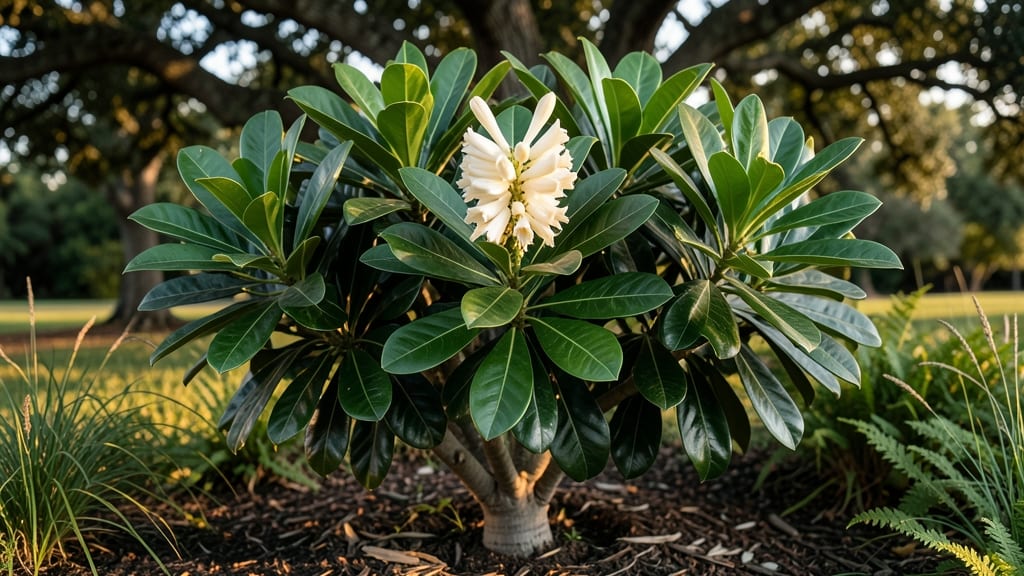
Growing a banana shrub (Michelia figo) means filling your garden with year-round fragrance—its creamy-white flowers smell like bananas and vanilla, even in winter. 🌿 I’ve learned that this evergreen shrub thrives in partial shade, where its glossy leaves and delicate blooms create a lush, aromatic canopy that’s hard to resist.
The secret to success starts with well-draining soil and consistent moisture, especially during the first year. Plant in a spot with morning sun and afternoon shade, and mulch to keep roots cool. Prune lightly after flowering to encourage bushier growth, but avoid heavy cuts that stress the plant.
By late spring, you’ll be rewarded with clusters of fragrant blooms that attract pollinators and fill the air with a sweet, tropical scent. Even in cooler months, the glossy foliage adds texture and interest, making this shrub a standout in any landscape.
Perfect for hedges, borders, or as a standalone specimen, the banana shrub is low-maintenance once established. Just avoid soggy soil and sudden temperature swings, and you’ll enjoy its beauty and fragrance for decades.
📚 In This Guide
- What you need
- Instructions
- Tips and common mistakes
- Wrapping up and next steps
What you need
- ● Michelia figo plant: 1 nursery-grown sapling (3–6 ft tall) or seeds (if propagating from scratch). Pro tip: Mature shrubs (3+ years old) bloom best!
- ● Well-draining potting mix: 5–10 gallons (for containers) or amended garden soil (for in-ground planting). Mix in 30% perlite or orchid bark for aeration.
- ○ Container (optional but recommended): 1 large ceramic or fabric pot (18–24" diameter) with drainage holes, or
- ● In-ground planting area with partial shade (4–6 hours of dappled sunlight daily).
- ● Slow-release fertilizer: 1 lb of balanced 10-10-10 or acidic 8-3-9 (for ericaceous plants). 💡 Reapply every 3–4 months during growing season.
- ● Mulch: 2–3 inches of pine bark or wood chips to retain moisture and mimic tropical conditions.
- ● Basic gardening tools: 1 trowel or spade
- ● 1 pair of pruning shears (sterilized with rubbing alcohol)
- ● 1 watering can or hose with a gentle spray nozzle
- ● pH testing kit: To ensure soil pH is 5.0–6.5 (slightly acidic). ✨ Lime or sulfur may be needed for adjustments.
- ○ Spray bottle (optional): For misting leaves if humidity drops below 50%.
- ○ Sun shade cloth (optional): 30–50% shade fabric for seedlings or hot climates.
- ● Patience! 😉 Michelia figo grows slowly but rewards you with year-round blooms once established.
Step-by-Step guide to cultivating banana shrub (Michelia figo) for lush, fragrant blooms
Here's how to coax this tropical beauty into thriving with minimal fuss—just follow these key steps.
🌱 Step 1: Choose the Perfect Planting Spot
Banana shrub thrives in partial shade to dappled sunlight, ideally where it gets morning sun and afternoon shade—think under tall trees or on an east-facing porch. Full sun scorches the glossy leaves, while deep shade stunts flowering. I always test a spot by placing a white sheet on the ground at noon; if it stays mostly shadowed, it's perfect.
This plant loves humidity—mimic its tropical roots by planting near a water feature, in a sheltered corner, or even grouping it with other moisture-loving plants. The key is keeping the air around it consistently moist without soggy soil. If your climate is dry, a pebble tray with water beneath the pot helps maintain that tropical feel.
🪴 Step 2: Plant in Well-Draining, Acidic Soil
Banana shrub roots rot easily, so never use garden soil alone. Mix 2 parts peat moss or coconut coir with 1 part perlite to create a light, airy medium. I add a handful of sphagnum moss to the planting hole—it retains moisture while preventing compaction. The soil should drain quickly but hold just enough water to keep roots hydrated.
Test your soil's acidity with a pH meter—aim for 5.5 to 6.5. If your soil is alkaline, amend with sulfur or pine needles a month before planting. The plant's glossy leaves will darken and droop if the soil is too alkaline, so don't skip this step. Plant at the same depth as its nursery container, then water deeply to settle the soil.
☀️ Step 3: Water Deeply and Mulch for Moisture Retention
Water once a week during the first growing season, soaking the soil to 12 inches deep. You'll know it's enough when water drips from the drainage hole. After that, water only when the top 2 inches of soil feel dry—overwatering is the fastest way to kill this plant. I use a moisture meter to check, but sticking your finger in works too.
Spread 3 inches of organic mulch (like pine bark or shredded leaves) around the base, keeping it 2 inches away from the trunk. This mimics the forest floor where banana shrub grows naturally. Mulch locks in moisture, regulates soil temperature, and slowly feeds the plant as it breaks down. Replenish mulch every spring to maintain its protective layer.
✂️ Step 4: Prune for Shape and Encourage Blooms
Prune right after flowering (usually late winter to early spring) to shape the shrub and promote dense growth. Remove any dead, diseased, or crossing branches first—these compete with healthy growth. Then, cut back overlong stems by ⅓ to encourage bushier growth. I always use clean, sharp pruners to avoid tearing the bark.
Never prune in fall or winter—new growth won't harden off before cold snaps. If you see yellowing leaves, it's often a sign of overwatering or poor drainage. Trim those leaves off immediately to redirect the plant's energy. The goal is a rounded, lush canopy with plenty of room for those fragrant white flowers to shine.
🌿 Step 5: Feed and Protect for Year-Round Beauty
Fertilize once in early spring with a balanced, slow-release fertilizer (10-10-10). I sprinkle it around the drip line, then water deeply to activate it. Avoid high-nitrogen fertilizers—they promote leafy growth at the expense of flowers. If your plant looks weak, a foliar feed with micronutrients gives it a quick boost without overloading the roots.
Watch for scale insects or spider mites, which love the banana shrub's glossy leaves. I spray the undersides of leaves with neem oil every 2 weeks as a preventative. If pests strike, isolate the plant and treat with insecticidal soap until they're gone. With proper care, your banana shrub will reward you with year-round fragrant blooms and a lush, tropical look.
Tips & tricks for perfect banana shrub cultivation
These simple strategies will help you create the ideal growing conditions for your Michelia figo.
Lighting Strategy: In Step 1, when choosing your planting spot, pay attention to how the sunlight shifts throughout the day. If your yard only gets morning sun, consider placing the shrub near a north-facing wall that reflects light. I've found that even just 2-3 hours of morning sun with afternoon shade works beautifully—just watch for leaf scorch if you're on the fence about full sun exposure.
Soil Mixing Tip: For Step 2, when creating your soil mix, I recommend adding a small handful of worm castings to the peat moss and perlite blend. This adds beneficial microbes that help the roots establish faster. You can also substitute coconut coir for peat moss if you're looking for a more sustainable option—just keep the same 2:1 ratio with perlite.
Watering Technique: In Step 3, the deep watering method is crucial, but timing matters too. Water in the early morning so the foliage has time to dry before evening. This prevents fungal issues that can develop from prolonged moisture on the leaves. I've also noticed that watering at the base rather than overhead helps maintain that tropical humidity without wetting the leaves directly.
Pruning Precision: When following Step 4's pruning instructions, use a small mirror to check the undersides of leaves for early signs of pests before you start cutting. This helps you catch issues early. Also, sterilize your pruners between cuts with rubbing alcohol—it's a small step that prevents spreading disease between branches.
Pro Tips for Banana Shrub Michelia Figo
- These simple strategies will help you create the ideal growing conditions for your Michelia figo.
- Lighting Strategy: In Step 1, when choosing your planting spot, pay attention to how the sunlight shifts throughout t...
- Soil Mixing Tip: For Step 2, when creating your soil mix, I recommend adding a small handful of worm castings to the ...
Frequently asked questions
Got questions about growing and caring for your Michelia figo (banana shrub)?
You’re not alone! Here are some of the most common queries—plus quick, practical answers to keep your fragrant beauty thriving.
How fast does a banana shrub grow, and when can I expect blooms?
This tropical gem grows at a moderate pace—about 12–24 inches per year under ideal conditions. With patience (and proper care!), you’ll see those signature banana-scented white flowers as early as 2–3 years old, though some take up to 5 years. Pro tip: Prune lightly to encourage bushier growth and more blooms!
Can Michelia figo survive winter in cold climates? What’s the trick?
Native to tropical/subtropical regions, this shrub is not frost-hardy (below 20°F/-7°C can kill it). For colder zones (USDA 9–11), grow it in containers and bring it indoors or wrap it in burlap + frost cloth during freezes. Bonus: Place it near a sunny window for winter light!
Why are my banana shrub leaves turning yellow or dropping?
Yellowing leaves usually signal overwatering or poor drainage—this plant hates soggy roots! Check for:
- Mushy roots (cut back on watering)
- Drooping leaves (thirsty plant—water deeply but let soil dry slightly between waterings)
- Pests (like spider mites—spray with neem oil if needed)
What’s the best alternative if Michelia figo is too high-maintenance?
If you love the fragrance but want a tougher plant, try these low-maintenance bloomers:
- Jasmine (Jasminum) – Sweet scent, drought-tolerant
- Gardenia (Gardenia jasminoides) – Creamy blooms, thrives in shade
- Plumeria (Frangipani) – Tropical vibes, heat-loving
How often should I fertilize my banana shrub for maximum blooms?
Feed your Michelia figo every 4–6 weeks during spring and summer with a balanced liquid fertilizer (10-10-10 or 20-20-20). Skip fertilizing in fall/winter—it’s dormant! Extra tip: A light bloom booster (high phosphorus) in early spring can trigger more flowers.
Wrapping up and next steps
The banana shrub Michelia figo is a fragrant gem that rewards patience with stunning, year-round blooms and a tropical allure. Whether you're drawn to its intoxicating scent or its low-maintenance charm, this shrub is a fantastic addition to any garden—especially in warmer climates.
With the right care, it thrives effortlessly, offering both beauty and tranquility.
Ready to transform your outdoor space? Start by planting one today—or share your newfound knowledge with fellow gardening enthusiasts! The journey to a fragrant, lush canopy begins with a single step. 🌿✨