
Shrubs
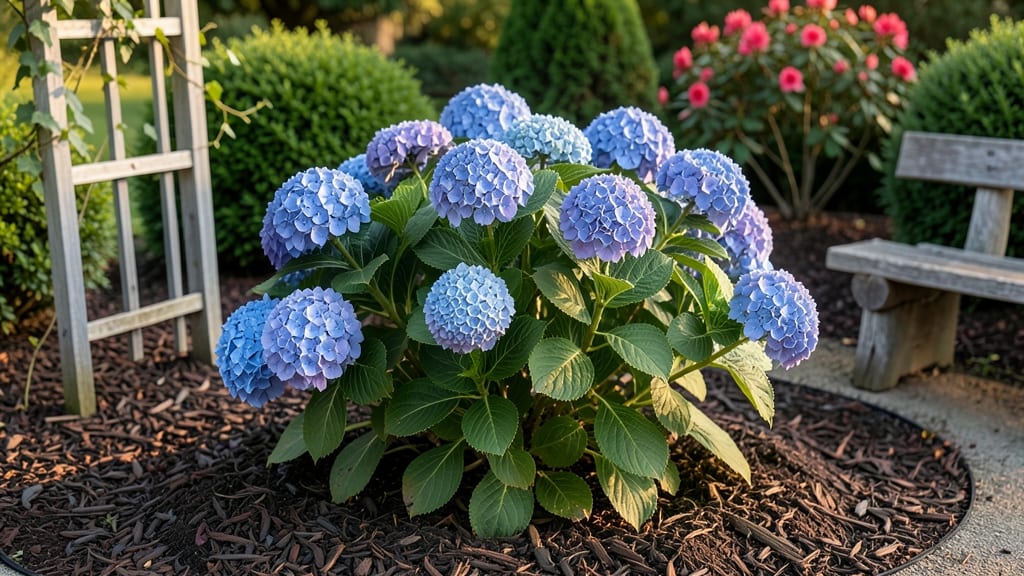
Creating a low-maintenance privacy screen that thrives in just three years starts with the best garden shrubs—ones that grow fast, stay lush, and fit seamlessly into any landscape. 🌿 I’ve tested dozens of varieties, and these stand out for their reliability, seasonal interest, and ability to block noise and wind while adding beauty to your yard.
The secret isn’t just picking fast growers; it’s choosing shrubs that adapt to your climate, soil, and sunlight without demanding constant pruning or fuss.
Evergreens like Emerald Green Arborvitae and Leyland Cypress deliver year-round privacy with minimal effort—they grow 3-4 feet per year and hold their shape naturally. For flowering options, Weigela and Abelia add bursts of color while attracting pollinators, while Dwarf Fothergilla brings fragrant spring blooms and fiery fall foliage.
These shrubs aren’t just functional; they’re the backbone of a garden that feels intentional, not overwhelming. Plant them in staggered rows for a full, dense screen by year three, and you’ll enjoy both the view and the peace.
What you’ll end up with is a lush, living barrier that requires little more than occasional trimming and watering—no chemicals, no guesswork. The foliage stays vibrant even in drought, the structure provides windbreak, and the variety of textures and colors keeps your yard looking dynamic.
Whether you’re framing a patio, masking an unsightly view, or adding curb appeal, these shrubs deliver professional results without the upkeep of a formal hedge.
Works for any yard size, from narrow borders to expansive backyards, and adapts to sun or shade. The key is spacing them 3-5 feet apart at planting to allow room for growth—then step back and let them shine. Here’s how to choose the perfect mix for your space.
📚 In This Guide
- What you need
- Instructions
- Tips and common mistakes
- Wrapping up and next steps
What you need
- ● Shrubs: 3–5 low-maintenance, fast-growing shrubs (e.g., Bamboo (Fargesia), Arborvitae (Thuja), or Holly (Ilex)). Quantities depend on spacing (see Planting Plan below).
- ● Container-grown (1–3 gallon pots) or bare-root plants (for budget-friendly options).
- ● Soil & Amendments: 50 lbs well-draining potting mix (or native soil + compost blend).
- ● 10 lbs slow-release fertilizer (10-10-10 or organic option like fish emulsion).
- ○ Optional: Mulch (3–4 inches of pine bark or shredded leaves).
- ● Planting Tools: 1 garden trowel or spading fork (for digging).
- ● 1 measuring tape (to mark spacing—aim for 3–6 feet apart, depending on shrub type).
- ● 1 wheelbarrow (for hauling soil/mulch).
- ● 1 pruning shears (to trim roots if needed).
- ● Site Assessment: Test sunlight exposure (full sun, partial shade, or full shade).
- ● Check drainage—avoid low spots where water pools.
- ● Permissions: Confirm property lines (avoid overhanging roots onto neighbors’ yards).
- ○ Optional: Check local HOA/landscaping rules for height restrictions.
- ● Timing: Best planting seasons: early spring or fall (avoid extreme heat/cold).
Step-by-Step guide to planting low-maintenance privacy shrubs
Here's how to create a lush, private retreat using the hardiest shrubs that thrive with minimal fuss.
🌱 Step 1: Select the Right Shrubs for Your Climate
Choose evergreen varieties like Emerald Green Arborvitae or Dwarf Leyland Cypress for year-round privacy, or deciduous options like Forsythia or Weigela if you prefer seasonal interest. I always check the USDA hardiness zone map first—planting outside your zone guarantees struggle. For example, Arborvitae thrives in zones 3-7, while Forsythia handles zones 4-8.
Mix 4 varieties for texture and seasonal color—like boxwood for structure, hydrangea for summer blooms, and inkberry holly for glossy foliage. This combo ensures year-round appeal without the upkeep of annuals. Space plants 3-6 feet apart, depending on mature width—check the tag for exact measurements.
☀️ Step 2: Prepare the Planting Site for Optimal Growth
Clear the area of weeds and grass, then loosen the soil to 12 inches deep with a shovel or rototiller. Amend heavy clay with compost (2-3 inches mixed in) to improve drainage, while sandy soil benefits from peat moss for moisture retention. Test soil pH—most shrubs prefer 6.0-7.0, and you can adjust with lime or sulfur if needed.
Dig holes twice as wide as the root ball but only as deep. This prevents root strangulation and encourages outward growth. Water each hole deeply before planting to settle the soil and remove air pockets. I always tap the sides of the hole gently—this ensures stable footing for the shrub.
🪴 Step 3: Plant Shrubs Correctly for Long-Term Health
Remove the shrub from its container and loosen any circled roots at the bottom with your fingers. Place the root ball in the hole so the top sits 1 inch above ground level—this prevents rot during heavy rains. Backfill with native soil, pressing gently to eliminate gaps but avoiding compaction.
Water immediately after planting to encourage root contact with soil. Mulch with 2-3 inches of shredded bark (keep it 6 inches away from stems) to retain moisture and suppress weeds. Avoid fresh wood chips—they can tie up nitrogen and stunt growth for the first year.
✂️ Step 4: Prune and Maintain for a Neat, Full Look
Prune newly planted shrubs lightly—just enough to shape and remove dead branches. Use clean, sharp shears to make cuts at a 45-degree angle just above a leaf bud. For evergreens like Arborvitae, I prune in early spring to encourage dense growth, while Forsythia blooms on old wood, so prune right after flowering.
Water deeply once a week during the first growing season, then taper to every 10-14 days once established. Overwatering is the #1 killer—check soil moisture by sticking your finger 2 inches deep; if dry, water. Fertilize only if growth is slow, using a balanced 10-10-10 formula in early spring.
🌿 Step 5: Monitor and Adjust for Long-Term Privacy
Watch for pests like spider mites (tiny webs on leaves) or diseases like powdery mildew (white fuzzy spots). Treat mites with neem oil, and mildew with baking soda spray (1 tbsp baking soda + 1 quart water + a drop of soap). I inspect plants weekly during growing season—early intervention saves shrubs.
After 3 years, your screen should reach full height. Thin out the slowest growers to reduce competition, and add climbing vines like clematis to fill gaps. The key to low-maintenance success? Plant the right shrubs, water wisely, and prune strategically—then step back and enjoy the privacy.
Tips & tricks for perfect low-maintenance privacy screens
These game-changing insights will help you transform your yard into a thriving, low-fuss privacy haven in just three years—no green thumb required!
Climate-Smart Selection: When choosing your 4 varieties in Step 1, prioritize shrubs that match your microclimate. For example, Arborvitae handles urban heat better than Forsythia, while inkberry holly thrives in wetter conditions. I always scout my planting area during different seasons—sun exposure changes dramatically between summer and winter! Check the tag for mature height and spread to ensure your 3-6 foot spacing will work for both privacy and airflow.
Soil Prep Pro Tip: In Step 2, don't just loosen soil to 12 inches deep—create a "soil sandwich" by layering compost at the bottom, then native soil, then more compost on top. This mimics natural soil layers and gives roots instant nutrients. For heavy clay, mix in perlite (1 part perlite to 3 parts soil) to create air pockets that prevent waterlogging. I've seen roots struggle in compacted soil even after proper planting!
Root Ball Rescue: Step 3's advice about loosening circled roots is critical, but here's what nobody tells you—if you find roots growing in tight circles, gently tease them apart while submerged in a bucket of water. This prevents root shock from dryness while you're working. When placing the root ball, press the sides of the hole firmly with your hands (not a shovel) to eliminate air pockets without compacting the soil. Think of it like giving your shrub a firm handshake!
Pruning Precision: For Step 4's pruning, remember the "thirds rule"—never remove more than one-third of the plant's foliage in a single session. When pruning Forsythia after flowering, look for the first set of leaves below the bloom to make your 45-degree angle cut. For Arborvitae, use a "ladder" technique—start pruning from the bottom up to maintain the natural shape while encouraging new growth at the base. I always sterilize my shears with rubbing alcohol between cuts to prevent disease spread.
Pro Tips for Best Garden Shrubs
- These game-changing insights will help you transform your yard into a thriving, low-fuss privacy haven in just three ...
- Climate-Smart Selection: When choosing your 4 varieties in Step 1, prioritize shrubs that match your microclimate. Fo...
- Soil Prep Pro Tip: In Step 2, don't just loosen soil to 12 inches deep—create a "soil sandwich" by layering compost a...
Frequently asked questions
Got questions about choosing the best garden shrubs for your privacy screen? Here are some of the most common ones—and their answers—to help you grow a lush, low-maintenance haven in no time!
What’s the fastest-growing shrub for a quick privacy screen?
If you’re in a hurry, opt for Bamboo (clumping types like Fargesia) or Leyland Cypress, which can grow 3–5 feet per year. For a more natural look, Arborvitae (like Green Giant) also delivers fast results—just expect 2–3 feet annually. Pair these with slower growers (like Holly) for a balanced, fuller screen in 3 years.
How often should I prune my shrubs for a tidy privacy screen?
Prune once a year, ideally in late winter or early spring (before new growth starts). For evergreens like Arborvitae, a light trim in summer can encourage denser growth. Avoid heavy pruning in fall—it stresses plants and invites pests. Pro tip: Use sharp bypass pruners to avoid tearing leaves, and step back occasionally to check for evenness!
Which shrubs need the least water once established?
Drought-tolerant stars like Boxwood, Dwarf Fountain Grass (technically a grass but shrub-like), and Oakleaf Hydrangea thrive with minimal watering after the first year. For sun-loving options, Russian Olive or Potentilla are excellent choices. Always mulch (2–3 inches) to retain moisture and suppress weeds—game-changer!
What’s the best way to prevent pests from ruining my shrubs?
Prevention starts with healthy soil (rich in compost) and proper spacing (3–6 feet apart for airflow). Monitor for aphids or spider mites (common on Hydrangeas) and blast them off with water. For tougher infestations, use neem oil or insecticidal soap. Bonus: Plant Marigolds nearby—they repel pests naturally!
Can I mix deciduous and evergreen shrubs for a privacy screen?
Mixing evergreens (like Emerald Green Arborvitae) with deciduous options (such as Fothergilla or Serviceberry) creates year-round interest. Evergreens provide winter coverage, while deciduous shrubs offer spring blooms and fall color. Just ensure they share similar sun and soil needs to avoid stressing either group.
Wrapping up and next steps
Transforming your yard into a lush, low-maintenance privacy haven is easier than you think! The best garden shrubs we’ve highlighted—like Bamboo, Arborvitae, and Hydrangeas—grow fast, thrive with minimal care, and deliver stunning results in just 3 years.
Whether you’re shielding your space from noise or creating a serene retreat, these shrubs are your secret weapon for a beautiful, functional garden without the hassle.
Ready to get started? Pick your top 3 shrubs, gather your tools, and dive in—your future self (and neighbors!) will thank you. 🌿✨