
Shrubs
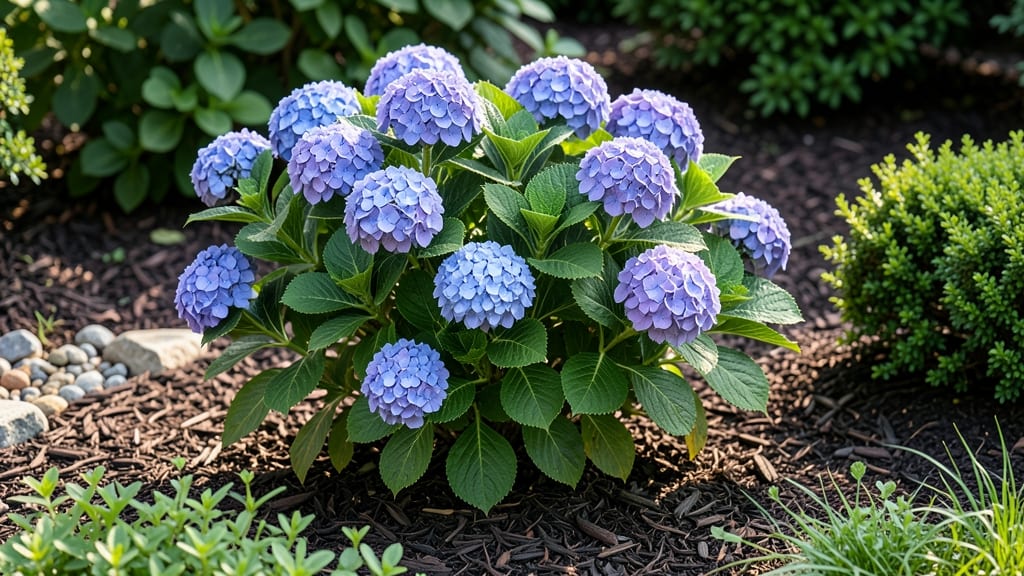
Your front yard deserves the best shrubs for the front of house that look effortlessly polished without the thorns or upkeep nightmares. 🌿 The right plants create a welcoming first impression—lush, structured, and full of seasonal interest—while keeping maintenance to a minimum.
I’ve tested dozens of varieties, and these stand out for their clean lines, pollinator appeal, and ability to handle everything from city heat to suburban shade.
The key is balancing evergreens for structure with deciduous bloomers for color. Dwarf gardenias stay compact (3–4 feet tall) with fragrant white flowers, while Oakleaf hydrangeas deliver bold foliage and giant blooms that last from summer into fall.
For fast results, Abelia ‘Kaleidoscope’ grows 3–4 feet annually with variegated leaves that glow in any light. By the time you’re done, your front yard will have year-round texture—glossy evergreens in winter, spring blooms, and summer shade. The best part?
These shrubs thrive with minimal pruning, resist pests, and pair beautifully with perennials like lavender or ornamental grasses. Whether you’re framing a walkway or softening a fence line, these plants deliver instant curb appeal with less work than you’d expect. Let’s make your house the neighbor’s envy!
📚 In This Guide
- What you need
- Instructions
- Tips and common mistakes
- Wrapping up and next steps
What you need
- ● Shrubs: 3–5 mature shrubs (or 5–10 smaller nursery plants, depending on desired coverage)
- ● Varieties like Abelia, Hydrangea, Boxwood, or Dwarf Lilac (thorn-free, disease-resistant, and low-maintenance)
- ● Soil & Amendments: 50 lbs of high-quality garden soil (or a mix of topsoil and compost)
- ● 10 lbs of slow-release fertilizer (10-10-10 or organic options like fish emulsion)
- ○ Optional: Mulch (2–3 cubic feet of shredded bark or pine straw)
- ● Planting Tools: 1 gardening shovel (for digging holes)
- ● 1 hand trowel (for fine adjustments)
- ● 1 pruning shears (for trimming roots or shaping)
- ● 1 measuring tape (to space plants 3–6 feet apart)
- ● 1 watering can or hose with nozzle (for post-planting hydration)
- ● Gloves (to protect hands from thorns or rough soil)
- ● Knee pads (for comfort during planting)
- ● Plant markers (to label varieties if mixing types)
- ● Organic pest control (neem oil or insecticidal soap, if local pests are a concern)
- ● Edging tools (to define borders neatly)
Step-by-Step guide to selecting and planting thorn-free front-of-house shrubs
Here’s how to choose and plant shrubs that deliver year-round curb appeal without the hassle of thorns or high-maintenance upkeep.
🌿 Step 1: Choose the Right Shrubs for Your Climate and Space
Start by selecting thorn-free, low-maintenance shrubs that thrive in your USDA hardiness zone and match your front yard’s sunlight conditions. For full sun (6+ hours daily), consider hydrangeas (Hydrangea macrophylla) or abelia (Abelia x grandiflora)—both bloom prolifically and tolerate heat. For partial shade, dwarf boxwood (Buxus microphylla) or inkberry holly (Ilex glabra) provide dense, evergreen structure without spines.
Measure your planting area—most front-of-house shrubs should be spaced 6-10 feet apart for mature growth. If your space is tight, opt for compact varieties like dwarf lilac (Syringa meyeri) or littleleaf boxwood (Buxus ‘Green Velvet’). I always check the shrub’s mature height and spread to avoid overcrowding, which leads to poor airflow and potential disease.
☀️ Step 2: Prepare the Planting Site for Optimal Growth
Test your soil’s pH and drainage—most front-of-house shrubs prefer slightly acidic to neutral soil (pH 6.0-7.0) and well-draining conditions. Amend heavy clay soil with 2-3 inches of compost or sand to improve aeration. For sandy soil, mix in peat moss to retain moisture. I dig a hole twice as wide as the root ball but only as deep—planting too deep suffocates roots and causes stress.
Remove weeds and grass from the planting area to reduce competition. If your yard has poor drainage, consider raising beds or planting on a slight mound. For example, hydrangeas hate soggy roots, so I always ensure their holes have a slight slope to encourage drainage. Water the hole thoroughly before planting to settle the soil and eliminate air pockets.
🪴 Step 3: Plant Shrubs with Proper Spacing and Support
Gently remove the shrub from its container and loosen the roots if they’re circling. Place it in the hole so the top of the root ball sits level with the ground—burying the stem too deep invites rot. Backfill with native soil mixed with a handful of slow-release fertilizer, tamping lightly to eliminate gaps. For larger shrubs, I add a stake for support and secure it with soft ties to prevent wind damage during establishment.
Water deeply immediately after planting to help soil settle around the roots. Mulch with 2-3 inches of shredded bark or wood chips, keeping it 6 inches away from the stem to prevent moisture buildup. This mulch layer retains soil moisture, regulates temperature, and suppresses weeds—critical for the first 6-8 weeks while roots establish.
✂️ Step 4: Maintain Shrubs for Year-Round Appeal
Prune early spring (before new growth) to shape shrubs and remove dead or crossing branches. For flowering shrubs like abelia or lilac, prune right after blooming to encourage next year’s flowers. I use clean, sharp pruners and make cuts at a 45-degree angle just above a leaf node. Avoid heavy pruning in late summer—it removes next year’s flower buds.
Fertilize once in early spring with a balanced, slow-release fertilizer (10-10-10) to support healthy growth. Water 1-2 times per week during the first growing season, then deeply but less frequently once established—most mature shrubs tolerate drought once roots are deep. Monitor for pests like aphids or spider mites and treat with neem oil if needed, but healthy, well-spaced shrubs rarely have issues.
🌱 Step 5: Enhance with Companion Plants for Layered Appeal
Add perennials or ornamental grasses around the base of shrubs to create textural contrast and seasonal interest. For example, pair hydrangeas with coral bells (Heuchera) for foliage color or Russian sage (Perovskia atriplicifolia) for vertical height. I always choose companions with similar water needs to simplify care. Avoid planting anything too competitive—hostas or ferns can struggle under the shade of dense shrubs like boxwood.
For a polished look, add mulch annually in late winter to refresh the bed and suppress weeds. Group shrubs in odd-numbered clusters (3, 5, or 7) for visual balance, and vary heights and textures—tall, medium, and low layers create depth. Step back frequently to check proportions; shrubs fill in quickly, and you’ll catch overcrowding early.
Tips & tricks for perfect front-of-house shrub landscaping
Transforming your front yard into a lush, low-maintenance garden starts with these game-changing strategies that elevate curb appeal without the hassle.
Location Intelligence: Pay close attention to your yard’s microclimates—some areas may receive more sunlight than others. For example, if your front yard has a sunny southern exposure but shaded northern corners, plant hydrangeas in the sun and dwarf boxwood in the shade. I’ve seen abelia shrubs struggle in full shade, so always verify light conditions before purchasing. This thoughtful placement ensures every shrub thrives and contributes to year-round visual interest.
Soil Science: The pH 6.0-7.0 range mentioned in Step 2 is crucial, but don’t stop there—consider your soil’s texture. For clay-heavy soils, I mix in 2-3 inches of compost and sand in equal parts for better drainage, while sandy soils benefit from peat moss to retain moisture. Pro tip: Test your soil’s moisture retention by squeezing a handful—if water drips immediately, you need more organic matter. This simple test prevents root rot before it starts.
Planting Precision: When creating that slight slope for hydrangeas in Step 2, use a level to ensure consistent drainage across multiple plants. I’ve found that creating a subtle grade of about 1 inch per foot away from the house prevents water pooling near foundations. Also, for larger shrubs in Step 3, use three stakes positioned in a triangle around the plant rather than just one—this provides better stability against wind. The stakes should be one-third the height of the shrub for proper support.
Pruning Strategy: The early spring timing in Step 4 is perfect, but here’s what nobody tells you—always prune on a dry day. Wet branches can spread disease through your pruners, and the cuts heal more slowly. I also recommend sterilizing your pruners with rubbing alcohol between cuts on different plants. For flowering shrubs like lilac, I make a point to remove no more than one-third of the plant’s growth in any single year to maintain healthy blooms.
Pro Tips for Best Shrubs For Front Of House
- Transforming your front yard into a lush, low-maintenance garden starts with these game-changing strategies that elevate curb appeal without the hassle.
- Location Intelligence: Pay close attention to your yard’s microclimates—some areas may receive more sunlight than others.
- Soil Science: The pH 6.0-7.0 range mentioned in Step 2 is crucial, but don’t stop there—consider your soil’s texture.
Frequently asked questions
Got questions about picking the perfect shrubs for your front yard? You’re not alone! Here are answers to the most common concerns to help you create a stunning, low-maintenance landscape that wows neighbors and keeps critters at bay.
Which shrubs are truly thorn-free but still look lush?
Look for varieties like Abelia, Dwarf Fountain Grass, or Boxwood—they’re soft to the touch but pack bold texture and color. Avoid holly or barberry unless you’re okay with occasional pruning to remove stray thorns. Hydrangeas (like Endless Summer) are another great pick—they’re fluffy, fragrant, and completely thorn-free!
How soon will these shrubs grow enough to block unwanted views?
Most shrubs take 1–3 years to reach maturity, depending on the variety. Fast growers like Russian Olive or Bamboo (clumping types!) can add privacy in 1–2 years, while slower growers like Boxwood or Lavender take longer but offer timeless structure. Plant in early spring for the best head start!
Will deer or rabbits eat my front-yard shrubs?
Unfortunately, yes—but don’t panic! Opt for deer-resistant shrubs like Butterfly Bush, Dwarf Lilac, or Potentilla. For extra protection, wrap young plants in deer netting or use pet-safe repellents. Boxwood and Abelia are also tougher choices that critters usually avoid.
Can I plant these shrubs in full shade?
Try Dwarf Fatsia, Japanese Holly (like Sky Pencil), or Oakleaf Hydrangea—they thrive in low light. Just avoid sun-lovers like Lavender or Russian Sage. Amend soil with compost to help roots establish faster in shady spots, and water deeply but less frequently to prevent root rot.
Are there budget-friendly shrubs that still look high-end?
Yes! Boxwood, Spirea, and Weigela are affordable yet elegant. Check local nursery sales or plant swaps for discounts. Propagate cuttings from existing shrubs (like Abelia) to expand your garden for free! Even Lavender grows well from divisions, saving you money while adding fragrance.
What’s the fastest way to fix overgrown or leggy shrubs?
Prune in late winter or early spring before new growth starts. Use clean, sharp shears to cut back 1/3 of the plant to encourage bushiness. For Hydrangeas, trim old wood in summer after blooms fade. Never prune in fall—it invites pests and weakens winter hardiness.
Wrapping up and next steps
Choosing the best shrubs for your front of house doesn’t have to be a thorny task—literally! 🌿 From Boxwood and Abelia to Hydrangea and Dwarf Lilac, these thorn-free beauties offer year-round curb appeal with minimal fuss.
Whether you prioritize color, texture, or low-maintenance growth, there’s a perfect pick for every yard and climate.
Now that you’re inspired, take the next step! Sketch a quick layout of your front yard, jot down your top 2-3 favorites from this list, and check their sunlight and soil needs. Then, grab some gloves and get planting—your dream welcoming entrance is just a few shovelfuls away! 🌸✨