
Pruning
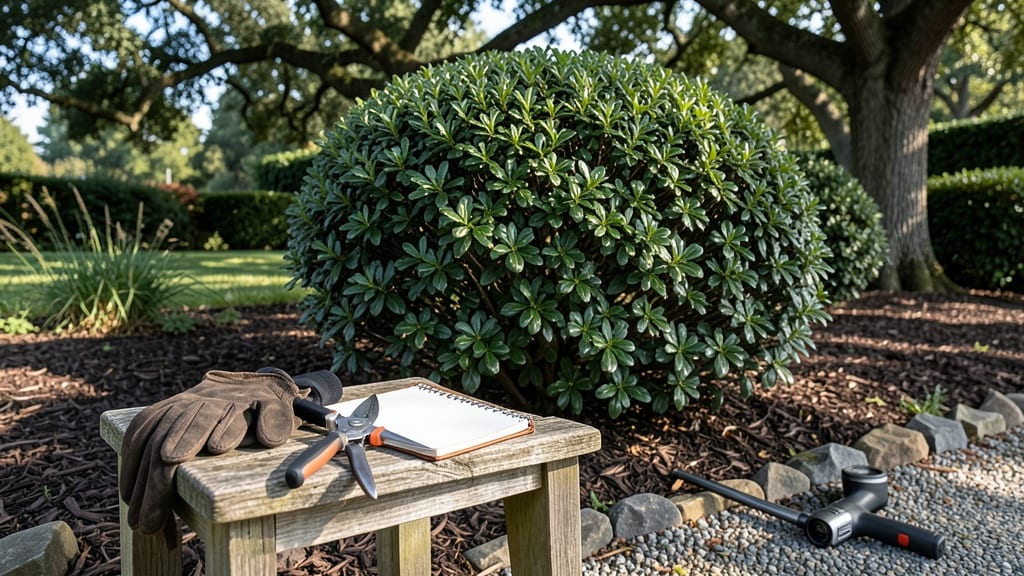
Late winter, when the ground is still frozen but buds are swelling, is the best time to trim boxwood shrubs—and I’ve learned the hard way why timing matters. 🌿 One year, I pruned too early, and my boxwoods sent out weak, leggy growth that never recovered. The secret?
Trim just as new shoots start to form, but before they harden off into wood. You’ll need sharp bypass pruners, a clean cutting surface, and a clear day to avoid spreading disease.
Focus on shaping rather than shearing—boxwoods respond best to gentle, sculptural cuts that open up the center for airflow. A light layer of mulch afterward helps retain moisture while the plant recovers. What you’ll end up with is neat, dense growth that stays healthy all season.
The right timing means fewer brown edges, no winter burn, and shrubs that bounce back stronger than ever. And if you’re in a warmer climate, adjust for late winter to early spring when buds begin to swell. This method works for both formal hedges and natural-looking shrubs.
Just remember: patience pays off—boxwoods heal slowly, so avoid heavy cuts, and you’ll have thriving plants for years.
📚 In This Guide
- What you need
- Instructions
- Tips and common mistakes
- Wrapping up and next steps
What you need
- ● Pruning shears: Sharp, bypass-style shears (4-6 inches) for clean cuts. Dull blades crush stems—avoid this at all costs!
- ● Hand pruners: Medium-sized (6-8 inches) for thicker branches (up to ½ inch in diameter). Opt for ratchet-style if you have arthritis.
- ● Loppers: Heavy-duty (10-14 inches) for thicker stems (½ to 1½ inches). Look for bypass blades or anvil-style (for tough wood).
- ● Gloves: Heavy-duty, cut-resistant gloves (e.g., Pip Boys or Tough Outdoors) to protect hands from thorns and sharp tools.
- ● Disinfectant: 70% isopropyl alcohol or a pruning sealant (like Tanglefoot Pruning Seal) to sterilize tools between cuts and prevent disease.
- ● Ladder or step stool: If your boxwoods are taller than 5 feet, use a stable, non-slip ladder (e.g., Little Giant or Werner models).
- ● Trash bags: Heavy-duty, compostable bags (13-gallon size) for clippings.
- ● Water spray bottle: Small (8-16 oz) to dampen dusty clippings and reduce airborne debris.
- ● Notebook & pen: To jot down notes on pruning patterns or plant health observations.
- ● Pruning saw: For very thick branches (over 1½ inches). A Felco or Bahco curved blade is ideal.
- ● Hose with nozzle: For rinsing tools and shrubs post-pruning.
- ● Plant food: Slow-release fertilizer (e.g., Osmocote) to nourish boxwoods after trimming.
- ● Mulch: Organic mulch (pine straw or shredded bark) to retain moisture and protect roots.
- ● Safety glasses: To shield eyes from debris, especially when using power tools.
- ● Extension cord: If using an electric hedge trimmer (for large hedges).
Instructions for trimming boxwood shrubs at the perfect late-winter moment
Timing matters more than you think—here's exactly when and how to shape boxwoods for full-season beauty.
⏰ Step 1: Wait for the Right Late-Winter Window
Boxwoods need that late-winter lull between dormancy and new growth. Aim for February to early March in most climates, when temperatures hover between 40-50°F during the day. This timing prevents stressing fresh spring shoots while still shaping before summer's heat.
Here's the thing—I always check for brown winter foliage that's starting to fade but hasn't turned crispy yet. That's your signal: the plant is waking up but not yet vulnerable. If you see pale green buds forming, you've waited too long. Boxwoods hate being pruned when they're actively growing.
✂️ Step 2: Shape with Precision Cuts
Start by removing dead, diseased, or crossing branches first—cut all the way back to healthy wood. Then step back and visualize your shape. Boxwoods respond best to clean, angled cuts just above a leaf node or bud. I like to use sharp bypass pruners for clean cuts that heal faster.
Don't overdo it—never remove more than one-third of the plant's volume in a single season. You'll know you've done too much when you see bare stems or when new growth looks sparse. Boxwoods are forgiving but not aggressive regrowers. For formal hedges, I make vertical cuts with a hedge trimmer for crisp edges.
☀️ Step 3: Clean Up and Monitor for Growth
After trimming, remove all clippings immediately to prevent fungal diseases from taking hold. I sweep up debris and dispose of it in the trash—not the compost—since boxwood clippings can harbor pests. Then give the plant a light watering if the soil feels dry to the touch.
Watch for new growth in 2-4 weeks. Healthy boxwoods will show bright green buds that quickly elongate into fresh shoots. If you see yellowing leaves or stunted growth, you may have pruned too late or too aggressively. This is when I adjust my approach for next year—maybe I'll trim a little earlier or use a different shaping technique.
🌿 Step 4: Maintain Through the Growing Season
After your late-winter trim, skip any major pruning until next winter. Instead, focus on light shaping in summer if needed—just enough to maintain form. I do a quick cleanup trim in late June to remove any spent flowers or misplaced growth that disrupts the shape.
Keep an eye out for boxwood blight (a fungal disease that causes brown spots). If you see it, sterilize your tools with rubbing alcohol and remove infected branches immediately. Healthy boxwoods should look vibrant and full by mid-summer—if yours don't, it's time to reassess your pruning approach.
Tips & tricks for perfect late-winter boxwood pruning
These little details make all the difference between boxwoods that thrive and ones that struggle—trust me, I've seen both! Here's how to get it right every time.
Timing is Everything: The February-to-early-March window isn't just a suggestion—it's crucial for boxwood health. If you're in a colder zone where winter lingers, wait until daytime temps consistently reach 40-50°F for at least a week. I've learned this the hard way after seeing plants stressed by early pruning. The key visual cue? Look for foliage that's brown but not crispy—it should crumble slightly when touched, not snap like dry kindling.
The Precision Cut Technique: When shaping, make your cuts just above a leaf node or bud at a 45-degree angle. This simple technique encourages new growth in the right direction. I use a sharp bypass pruner because dull tools crush stems, which invites disease. For formal hedges, take your time—vertical cuts with a hedge trimmer should be smooth, not jagged. Remember: you're sculpting, not hacking!
Post-Trim Care Secrets: After pruning, don't just toss those clippings in the compost—boxwood debris can harbor boxwood blight spores. I always dispose of them in the trash and sterilize my tools with rubbing alcohol. That light watering afterward? Only if the soil feels dry to the touch—overwatering stressed plants is a common mistake. Watch for new growth in 2-4 weeks—bright green buds mean you've done it right!
Summer Maintenance Shortcut: That late June cleanup trim I mentioned? It's not just about looks—it removes spent flowers that can drain energy from the plant. I focus on just enough shaping to maintain form, never more than 10-15% of the plant's volume at a time. This keeps your boxwoods looking sharp without stressing them during the growing season.
Pro Tips for Best Time To Trim Boxwood Shrubs
- These little details make all the difference between boxwoods that thrive and ones that struggle—trust me, I've seen both!
- Timing is Everything: The February-to-early-March window isn't just a suggestion—it's crucial for boxwood health.
- The Precision Cut Technique: When shaping, make your cuts just above a leaf node or bud at a 45-degree angle.
Frequently asked questions
Got questions about trimming your boxwood shrubs?
You’re not alone! Here are the most common queries—and expert answers—to help you prune like a pro.
When is the absolute worst time to trim boxwood shrubs?
Late summer or early fall (August–October) is the worst time to prune boxwood. Trimming then can stimulate tender new growth that won’t survive winter’s freeze, leaving your shrubs vulnerable to cold damage. Pro tip: If you must shape them outside the ideal window, do it lightly in late winter before buds swell.
Can I trim boxwood in early spring instead of late winter?
Yes, but with caution! Early spring (March–April) works, but it risks encouraging early blooms or new growth that could be nipped by late frosts. Late winter (February–early March) is safer because the plant is dormant, and you avoid stressing it before spring’s warmth. Bonus: Trim in late winter for a cleaner look before buds burst!
What if my boxwood looks overgrown but it’s already spring?
Don’t panic! If you missed late winter, wait until after flowering (if applicable) to do a light trim. Focus on removing only dead or wayward branches. For heavily overgrown boxwood, you may need to thin out (remove inner branches) rather than shearing—this improves airflow and health. Warning: Avoid heavy pruning now; it stresses the plant.
How do I know if I’ve trimmed too late or too hard?
Watch for these red flags:
- Yellowing leaves or wilting (signs of stress).
- No new growth by early spring (could mean damage).
- Exposed bare stems (over-pruning).
What’s the difference between shearing and thinning boxwood?
| Shearing | Thinning |
|---|---|
| Cutting outer branches evenly for a manicured look (best for hedges). | Removing select inner branches to improve airflow and sunlight. |
| Do this after late-winter pruning (spring/summer for maintenance). | Best done in late winter or early spring to rejuvenate. |
| Ideal for formal gardens. | Better for natural, healthy growth. |
Wrapping up and next steps
Trimming your boxwood shrubs at the right time—late winter—sets the stage for lush, healthy growth all season long. 🌱 With the right tools, techniques, and timing, you’ll keep your shrubs looking sharp while encouraging vibrant blooms and strong structure.
Now that you’re armed with expert tips, grab your pruners and get ready to transform your garden!
Your next step? Mark your calendar for late winter (just before new growth begins) and give your boxwoods the care they deserve. Happy pruning!