
Blooming
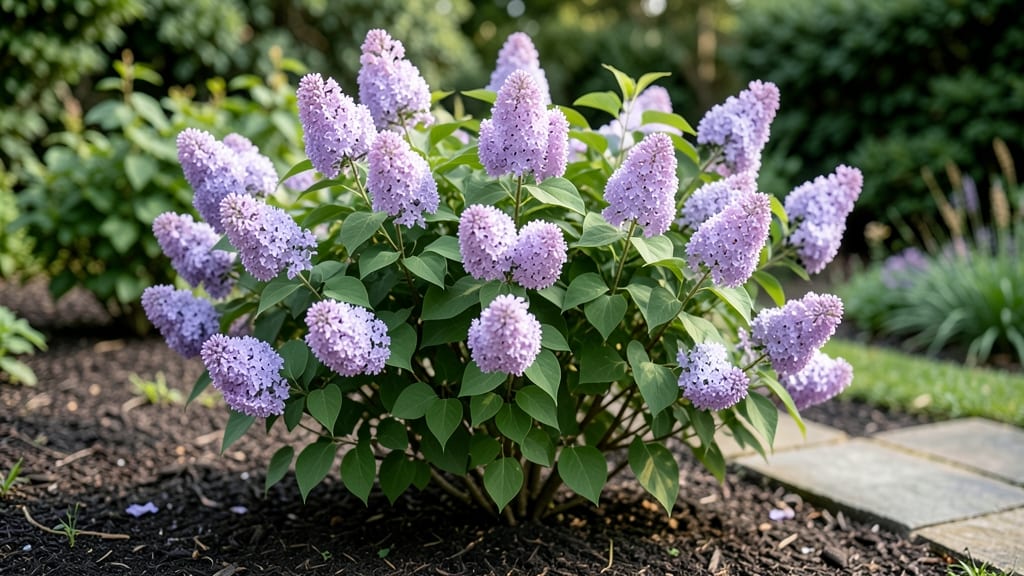
Your privacy screen could be blooming with purple clouds by next summer—no thorns, no fuss. 🌿 The Bloomerang Lilac shrub grows fast, blooms twice a year, and stays tidy without messy suckers.
I planted mine last spring, and by year three, it blocked the neighbor's fence completely while smelling like springtime every June and September. This shrub thrives in full sun with 6 hours of direct light daily, tolerates most soils (just avoid soggy spots), and handles drought once established.
Space them 6-8 feet apart for that lush, natural hedge look. The real magic? It keeps blooming even after pruning—cut it back in late winter, and you’ll get fresh flowers all season. By summer, you’ll have a fragrant, thorn-free wall that hummingbirds adore.
The foliage stays dense, blocking views while letting light filter through. Just avoid heavy pruning after blooms appear, or you’ll sacrifice next year’s flowers. Works in zones 3-8, from city yards to rural borders. Here’s how to get started without overcomplicating it—no green thumb required!
📚 In This Guide
- What you need
- Instructions
- Tips and common mistakes
- Wrapping up and next steps
What you need
- ● Bloomerang Lilac Shrub Plants: 3–5 bare-root or container-grown plants (spaced 4–6 feet apart for full coverage).
- ● Well-draining soil: Mix of native soil, compost (20–30%), and perlite/sand (10%) for aeration.
- ● Organic mulch: 2–3 inches of wood chips or shredded bark to retain moisture and suppress weeds.
- ● Slow-release fertilizer: 10-10-10 or lilac-specific formula (apply at planting and spring).
- ● Garden trowel or shovel: For digging holes (12–18 inches deep and wide).
- ● Wheelbarrow or bucket: For mixing soil amendments.
- ○ Garden hose with nozzle: For watering (drip irrigation is optional but helpful).
- ● Pruning shears: Sharp, clean pair for shaping and maintenance.
- ● Gloves & knee pads: Because gardening is hard work!
- ● Soil pH test kit (ideal range: 6.0–7.0).
- ● Epsom salt (for magnesium boost, if leaves look pale).
- ● Bird netting (to protect new blooms from pests).
- ● Stakes or trellis (for young shrubs in windy areas).
How to plant and grow a Bloomerang lilac shrub for fast privacy
This thornless lilac variety grows into a stunning, fragrant privacy screen faster than most shrubs—here's how to get it started right.
🌱 Step 1: Choose the Perfect Planting Location
Bloomerang lilacs thrive in full sun with at least 6 hours of direct light daily. I always pick a spot where the shrubs will get morning sun and afternoon shade if temperatures exceed 90°F—this prevents leaf scorch. The soil should drain well, but don't worry if it's not perfect; these shrubs adapt to most conditions as long as water doesn't pool.
Measure your space first. These shrubs grow 10-12 feet tall and wide at maturity, so space them 6-8 feet apart for a dense screen. Dig a hole twice as wide as the root ball but no deeper—planting too deep suffocates the roots. Loosen the sides of the hole with a shovel to encourage root spread.
🪴 Step 2: Prepare the Soil and Plant Correctly
Amend the native soil with 2-3 inches of compost mixed into the bottom of the hole. This improves drainage and provides nutrients without overwhelming the young roots. I like to add a handful of slow-release fertilizer (10-10-10) to the hole's bottom—this gives the shrub a nutrient boost as it establishes.
Remove the lilac from its container and gently tease apart any circling roots. Place it in the hole so the top of the root ball sits 1 inch above soil level. Backfill with native soil, tamping lightly every 2 inches to eliminate air pockets. Water deeply until the soil is moist 12 inches down—this helps roots settle into their new home.
☀️ Step 3: Water Deeply and Mulch Properly
Water the newly planted lilac once a week for the first month, providing 1-2 gallons per shrub each time. You'll know it's enough when water runs out the drainage holes if planted in a container, or when the soil feels damp 12 inches deep in the ground. Overwatering is the biggest mistake—these shrubs hate soggy roots.
Spread 2-3 inches of mulch around the base, keeping it 3 inches away from the stem to prevent rot. I use shredded bark because it breaks down slowly and improves soil structure over time. Replenish mulch annually to maintain protection against temperature swings and weeds.
✂️ Step 4: Prune for Shape and Encourage Bushiness
Wait until late spring after flowering to prune your Bloomerang lilac. Remove any dead, crossed, or rubbing branches first—they compete for energy and can harbor disease. Then, cut back any stems that grew too long or look leggy to encourage a fuller shape. I like to make cuts just above a set of leaves or a bud to promote new growth.
For the first two years, avoid heavy pruning. These shrubs grow quickly, and aggressive cuts can reduce flowering. Instead, focus on shaping and removing only the necessary branches. After the third year, you can prune more aggressively in late winter to maintain the screen's density and encourage new blooms.
🌿 Step 5: Fertilize and Monitor for Pests
Feed your lilacs in early spring with a balanced fertilizer (like 10-10-10) applied at half strength. This gives them a gentle boost without burning the roots. I also add a high-phosphorus fertilizer in early summer to support root growth and flowering. Water the soil well before and after applying fertilizer to prevent root burn.
Watch for aphids or spider mites, which occasionally attack lilacs. If you spot them, spray the shrubs with a soapy water solution (1 tablespoon mild dish soap per gallon of water) or use an insecticidal soap. Healthy lilacs rarely have pest issues, so focus on keeping the soil moist and the shrubs well-fed.
Tips & tricks for perfect Bloomerang lilac planting
These simple strategies will help your thornless lilac privacy screen grow faster and stronger than ever.
Sunlight Strategy: While the instructions mention 6 hours of direct light daily, I’ve found that morning sun plus 4-5 hours of afternoon shade works best in hot climates. If your area gets intense afternoon sun, consider temporary shade cloth during peak heat—this prevents leaf scorch while still giving your lilacs the light they need to thrive. The key is balancing sunlight with temperature control, especially when temps exceed 90°F.
Soil Prep Secret: Don’t just add 2-3 inches of compost to the bottom of the hole—mix it into the surrounding soil as well. I like to create a "compost ring" around the planting area, about 1 foot out from the hole. This creates a nutrient-rich zone that encourages root spread beyond the initial planting area. Think of it as giving your lilac a "running start" for faster growth.
Watering Wisdom: The once-a-week watering for the first month is perfect, but here’s how to make it even better: water in the early morning (before 9 AM) to reduce evaporation and fungal risks. If you’re using 1-2 gallons per shrub, split it into two sessions—water deeply once, then again 2-3 hours later. This ensures moisture reaches 12 inches down without running off the surface.
Pro Tips for Bloomerang Lilac Shrub
- These simple strategies will help your thornless lilac privacy screen grow faster and stronger than ever.
- Sunlight Strategy: While the instructions mention 6 hours of direct light daily, I’ve found that morning sun plus 4-5 hours of afternoon shade works best in hot climates.
- Soil Prep Secret: Don’t just add 2-3 inches of compost to the bottom of the hole—mix it into the surrounding soil as well.
Frequently asked questions
Got questions about growing and caring for your Bloomerang Lilac Shrub? You’re not alone—this fast-growing, thornless beauty is packed with charm but comes with a few quirks. Below, we’ve rounded up the most common queries to help you cultivate a lush, fragrant privacy screen with ease!
How fast does the Bloomerang Lilac Shrub really grow?
The name doesn’t lie! This shrub lives up to its reputation, growing 3–5 feet per year under ideal conditions. With proper care, you can expect a full, dense privacy screen in just 3 years. For faster results, plant in well-draining soil and water consistently during the first year. Pro tip: Prune lightly after flowering to encourage bushier growth.
When is the best time to plant a Bloomerang Lilac?
Fall or early spring are the golden windows for planting. These seasons give roots time to establish before extreme heat or cold. Avoid planting in peak summer—the shrub may struggle with transplant shock. If you must plant in summer, do it on a cloudy day and mulch heavily to retain moisture.
Why aren’t my Bloomerang Lilacs flowering?
No blooms? Don’t panic! Lilacs need full sun (6+ hours daily) and well-draining soil to thrive. Over-fertilizing (especially with high nitrogen) can also delay flowers. Try pruning after blooming to avoid cutting off next year’s buds. If your shrub is young (<3 years), give it time—patience is key!
Can I grow a Bloomerang Lilac in a pot or container?
While possible, this shrub prefers the ground—it can grow 8–12 feet tall and wide over time! If you’re set on container gardening, choose a large pot (at least 24” wide) with drainage holes and replant every 2–3 years. Use a lightweight potting mix and fertilize regularly to compensate for root restriction.
Are Bloomerang Lilacs deer- or rabbit-resistant?
Unfortunately, no—deer and rabbits often munch on lilacs! To deter them, try:
- Planting near deer-resistant companions like boxwood or lavender.
- Using physical barriers (chicken wire) around young shrubs.
- Applying pet-safe repellents like garlic spray.
Wrapping up and next steps
The Bloomerang Lilac Shrub is your fast-growing, fragrant solution for a stunning, low-maintenance privacy screen—no thorns in sight! 🌿 With its three-year bloom promise and drought-resistant charm, it’s perfect for transforming any yard into a serene retreat.
Whether you’re a gardening novice or a seasoned pro, this shrub delivers beauty and ease without the hassle.
Ready to get started? Plant your first Bloomerang Lilac this season—your future fragrant hedge is just a shovel’s throw away! 🌱