
Succulent
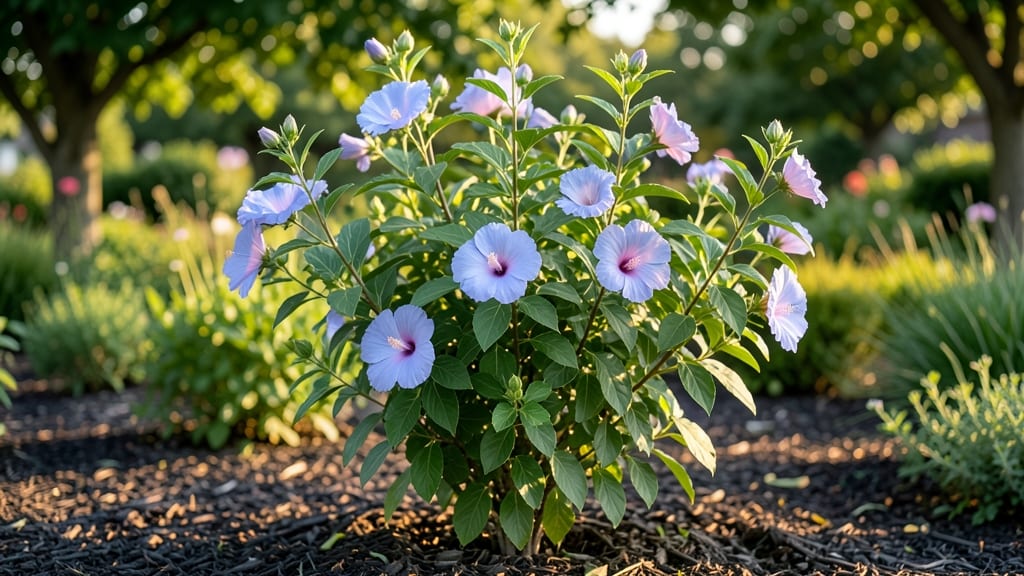
Growing the Blue Chiffon Hibiscus shrub means adding a splash of vibrant blue-purple blooms to your garden—though its flowers are actually white with striking blue centers. 🌸 This tender perennial thrives in warm climates and rewards patience with months of continuous blooms when given the right care.
The secret to lush growth starts with well-draining soil and full sun (at least 6 hours daily). In cooler zones, treat it as an annual or overwinter indoors. Plant in spring after the last frost, spacing shrubs 3-5 feet apart to allow airflow and prevent fungal issues.
Mulch helps retain moisture while protecting roots from temperature swings.
Pruning is key—trim back leggy growth in early spring and deadhead spent blooms regularly to encourage more vibrant flowers. Watch for aphids or whitefly, which occasionally target new growth, but most pests avoid this hardy shrub.
With consistent care, your Blue Chiffon Hibiscus will become a showstopper in borders or containers.
For best results, fertilize lightly in spring with a balanced 10-10-10 formula and avoid overwatering—soggy soil leads to root rot. In frost-prone areas, bring potted plants indoors before temperatures drop below 40°F. The payoff? A shrub that blooms from summer through fall with minimal fuss.
📚 In This Guide
- What you need
- Instructions
- Tips and common mistakes
- Wrapping up and next steps
What you need
- ● 2 cups dried blue hibiscus flowers (ensure they’re food-grade and organic for the best flavor)
- ● 1 cup fresh blueberries (or ½ cup blueberry jam for convenience)
- ● ½ cup fresh lemon juice (about 2–3 lemons, juiced)
- ● ¼ cup fresh lime juice (about 2–3 limes, juiced)
- ● ½ cup raw honey or agave syrup (adjust to taste; honey adds depth)
- ● 1 cinnamon stick (or ½ tsp ground cinnamon)
- ● 3–4 fresh mint leaves (plus extra for garnish)
- ○ 1-inch piece of fresh ginger (peeled and sliced, optional but adds zing!)
- ● Medium saucepan (with a lid)
- ● Wooden spoon or silicone spatula (for stirring)
- ● Fine-mesh strainer or cheesecloth (for filtering)
- ● Clean glass jars or bottles (with airtight lids, 16–24 oz size)
- ● Kitchen scale or measuring cups/spoons (for precision)
- ○ Funnel (optional, for easy jar filling)
- ● Pinch of sea salt (enhances flavor)
- ● Splash of vanilla extract (adds warmth)
- ● Dried lavender buds (for floral notes, use sparingly!)
- ● Ice cube tray (to freeze small portions for cocktails)
How to grow a Blue Chiffon hibiscus shrub
Here's the foolproof method I use to cultivate this stunning, low-maintenance shrub that thrives in heat and blooms all season.
🌱 Step 1: Select the Perfect Planting Site
Blue Chiffon hibiscus demands full sun—at least 6-8 hours daily. I always choose a location with morning sun and afternoon shade in hot climates to prevent leaf scorch. The soil should drain well but retain moisture, so amend heavy clay with 2-3 inches of compost before planting.
Dig a hole twice as wide as the root ball but only as deep. This encourages roots to spread horizontally rather than settling too deep, which can suffocate the plant. Gently tease out any circling roots—you'll see them when you remove the plant from its container.
💧 Step 2: Plant and Water Deeply
Position the shrub so the top of the root ball sits 1 inch above ground level. This prevents waterlogging during heavy rains. Backfill with native soil mixed with 1 cup of bone meal for phosphorus, which promotes flowering. Water immediately after planting to eliminate air pockets.
Water deeply until the soil is 6-8 inches wet. You'll know it's right when water runs out the bottom of the hole but stops dripping after 10 minutes. Mulch with 2 inches of pine straw or shredded bark to conserve moisture and regulate soil temperature.
☀️ Step 3: Provide Consistent Care for Blooms
Feed your Blue Chiffon hibiscus every 4-6 weeks during growing season with a balanced 10-10-10 fertilizer. I use half-strength solution to avoid burning tender roots. Stop fertilizing in late summer to encourage dormancy and prepare for winter.
Water when the top 2-3 inches of soil feel dry. Overwatering causes yellow leaves and stunted growth, while underwatering leads to bud drop. Prune spent blooms by cutting stems back to the nearest leaf node. This redirects energy to new growth and keeps the shrub bushy.
✂️ Step 4: Prune for Shape and Health
Prune lightly in early spring to shape the shrub before new growth begins. Remove any dead, diseased, or crossing branches first. Cut back overgrown stems by one-third to maintain vigor. I always sterilize my pruners with rubbing alcohol between cuts to prevent bacterial spread.
For established shrubs, prune again after flowering to control size. Never remove more than 25% of the plant at once, or you'll shock it into dormancy. Wear gloves—hibiscus leaves can irritate sensitive skin, and the sap may stain clothing.
Tips & tricks for cultivating Blue Chiffon hibiscus
Real talk: These are the hard-won lessons that'll help your Blue Chiffon hibiscus thrive beyond the nursery pot.
Sunlight Strategy: That 6-8 hour daily sun requirement is non-negotiable, but here's the secret: morning sun is more forgiving than afternoon blazing heat. I've found that positioning the shrub where it gets morning sun and afternoon shade (like under a lattice or pergola) prevents leaf scorch while still giving it enough light to bloom prolifically. Watch for leaves that turn yellow or crispy at the edges—that's your warning sign to adjust placement.
Root Ball Revelation: When you plant, don't just drop it in the hole. Tease those circling roots apart—they'll strangle your plant if left intact. I use my fingers to gently separate them, almost like unraveling a ball of yarn. This simple step makes all the difference in how quickly your hibiscus establishes itself in its new home. And remember, that 1-inch elevation above ground level is crucial—it prevents waterlogging that can rot the roots.
Watering Wisdom: The 10-minute drainage test is your best friend. You want water running out the bottom but stopping before it pools. This ensures you're saturating the root zone without creating waterlogged conditions. I've seen too many gardeners overwater, thinking more is better—yellow leaves and bud drop are the results. Stick to that 2-3 inch soil dryness test, and you'll avoid both underwatering and overwatering pitfalls.
Pruning Precision: That one-third pruning rule isn't arbitrary—it's based on the plant's ability to regenerate. When you cut back stems by one-third in spring, you're encouraging bushier growth without shocking the plant. And always sterilize your pruners! I learned this the hard way after my hibiscus developed a mysterious bacterial infection from contaminated tools. A quick rub with rubbing alcohol between cuts prevents this completely.
Pro Tips for Blue Chiffon Hibiscus Shrub
- Real talk: These are the hard-won lessons that'll help your Blue Chiffon hibiscus thrive beyond the nursery pot.
- Sunlight Strategy: That 6-8 hour daily sun requirement is non-negotiable, but here's the secret: morning sun is more forgiving than afternoon blazing heat.
- Root Ball Revelation: When you plant, don't just drop it in the hole.
Frequently asked questions
Got questions about growing, harvesting, or using your Blue Chiffon Hibiscus shrub? We’ve got answers!
Whether you’re a first-time gardener or a syrup enthusiast, here’s what you need to know to make the most of this vibrant plant.
How long does it take for a Blue Chiffon Hibiscus to produce flowers?
With proper care, your Blue Chiffon Hibiscus can start blooming within 1–2 years from planting. Young plants may take longer, but consistent sunlight (6+ hours/day), well-draining soil, and regular watering speed up the process. Pro tip: Prune lightly in spring to encourage bushier growth and more flowers!
Can I use dried Blue Chiffon Hibiscus flowers for syrup?
Dried flowers work just as well—just steep them in hot water or citrus-infused syrup for 10–15 minutes before straining. For extra flavor, crush the dried petals slightly to release oils. Store dried flowers in an airtight container away from light to preserve potency. Bonus: They’re perfect for tea blends too!
Why aren’t my hibiscus flowers opening?
If buds form but don’t bloom, check these common culprits:
- Insufficient sunlight: Move to a sunnier spot (south-facing is ideal).
- Overwatering: Let soil dry slightly between waterings—hibiscus hate soggy roots.
- Nutrient deficiency: Feed with a balanced fertilizer (10-10-10) every 4–6 weeks in growing season.
- Temperature stress: Hibiscus thrive in 65–85°F; extreme cold or heat can stall blooms.
What’s the best companion plant for Blue Chiffon Hibiscus?
Pair it with mint, citrus trees, or lavender for a fragrant, pollinator-friendly garden. Avoid planting near tomatoes or potatoes, as they compete for nutrients. Pro tip: If growing mint nearby, use containers—it can spread aggressively!
How often should I harvest hibiscus flowers for syrup?
Harvest flowers every 2–3 days in peak bloom (morning is best) to keep production high. Never take more than 1/3 of the plant’s flowers at once—this ensures regrowth. For syrup, 1 cup of fresh petals yields about 1 pint of syrup. Store extra petals in the freezer for later batches!
Wrapping up and next steps
The Blue Chiffon Hibiscus Shrub isn’t just a recipe—it’s a burst of sunshine in a bottle, blending tart, floral, and minty flavors that elevate any drink. Whether you’re crafting cocktails, spritzers, or iced tea, this vibrant syrup brings a refreshing twist to your mixology adventures. Now’s the time to experiment!
🌿 Next Steps:
- Start small—brew a batch and test it in your favorite drinks.
- Share the magic with friends (or your social media feed!).
- Let us know which cocktail combo steals the show!