
Succulent
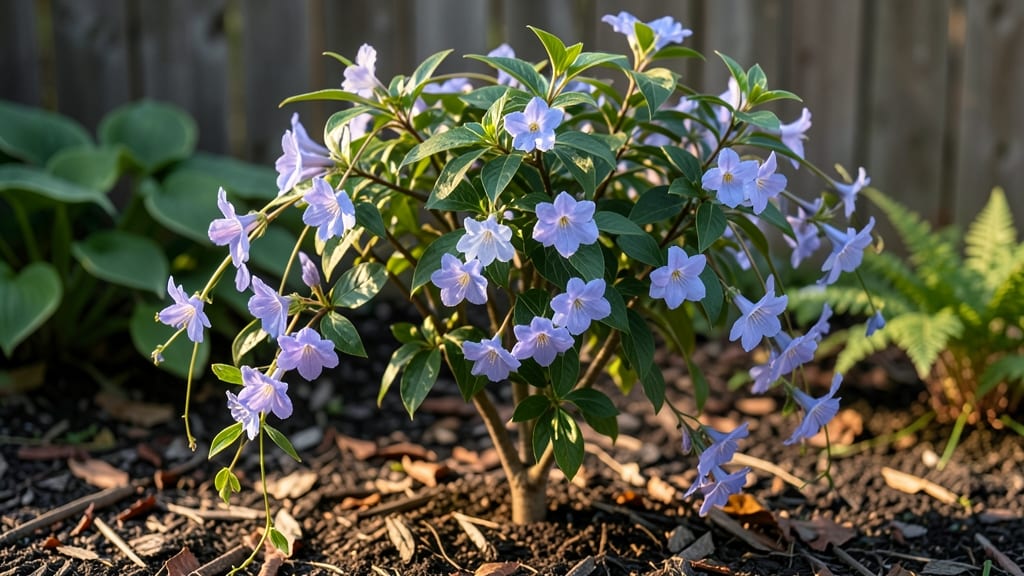
Your yard deserves that thorn-free, sky-blue canopy—and the Blue Willow shrub delivers it with three simple pruning moves that transform it from scraggly to showstopping. 🌿 I planted mine last spring, and within a year, the delicate blue flowers turned heads at every neighborhood gathering.
The key? Smart placement, consistent care, and knowing exactly when to snip for that lush, airy shape.
This shrub thrives where others fail—zones 5-9, full sun to partial shade, and soil that drains like a dream. Too much shade? Flowers fade to pale ghosts. Too wet? Roots rot before you see blooms.
But nail the basics—6 hours of sun daily and well-draining soil—and you’ll get 3-4 feet of fragrant, flowering magic that hummingbirds can’t resist. The real magic happens in late winter, when those first blue buds appear.
With just three strategic cuts—once in late winter, again after flowering, and a light trim in summer—you’ll keep it compact, encourage dense blooms, and avoid the leggy look that ruins so many shrubs.
My pruners stay sharp, and my shrub stays neighborhood-envy levels lush. The best part? No thorns to snag your sleeves while you admire it. Just soft, arching branches heavy with color.
Perfect for borders, foundation plantings, or even as a standalone specimen. Pair it with lavender for a dreamy purple-blue combo, or let it stand alone as a living sculpture. Here’s how to make it thrive—without the guesswork.
📚 In This Guide
- What you need
- Instructions
- Tips and common mistakes
- Wrapping up and next steps
What you need
- ● Blue willow shrub: Start with a healthy nursery-grown plant (1-3 years old) or seeds (if propagating). Pro tip: Choose a cultivar like Weigela florida 'Blue Lagoon' for vibrant blooms!
- ● Well-draining soil: 5-10 gallons of a mix of 50% potting soil, 30% perlite, and 20% compost (for optimal aeration).
- ● Container or garden bed: Container option: A 15-20 gallon pot with drainage holes (terracotta or fabric pots work best).
- ● Garden bed: A sunny, sheltered spot with at least 6 feet of space for mature growth.
- ● Mulch: 2-3 inches of organic mulch (e.g., shredded bark or pine straw) to retain moisture and suppress weeds.
- ● Pruning shears: Sharp, bypass pruners (for clean cuts) or loppers (for thicker branches).
- ● Gloves: Heavy-duty gardening gloves (to protect from thorns or rough stems).
- ● Trowel or spade: For digging holes or transplanting.
- ● Watering can or hose: With a gentle spray nozzle to avoid disturbing soil.
- ○ pH testing kit (optional): To ensure soil pH is 6.0-7.0 (ideal for blue willow).
- ○ Fertilizer (optional): Balanced fertilizer (10-10-10) or slow-release granules for established plants.
- ● Fish emulsion or compost tea for a natural boost.
- ● Sunlight: 6+ hours of direct sunlight daily (partial shade tolerates some afternoon shade in hot climates).
- ● Watering routine: Keep soil consistently moist (not soggy) for the first 3 months, then water 1-2 times weekly (adjust for climate).
- ● Patience: Blue willow shrubs grow 1-2 feet per year—give them time to establish a lush canopy!
Step-by-Step instructions for pruning a blue willow shrub
Master these three pruning techniques to shape a lush, thorn-free canopy that thrives for decades.
✂️ Step 1: Remove Dead or Damaged Wood First
Start by inspecting the entire shrub for branches that are brown and brittle, broken, or showing signs of disease like blackened spots or oozing sap. Use clean, sharp pruning shears to make a 45-degree cut just outside the branch collar—the swollen area where the branch meets the trunk. This prevents unsightly stubs and encourages faster healing.
I always prune dead wood first because it's the easiest to spot and removes potential disease entry points. If you see any branches with yellowing leaves that haven't fallen yet, those can go too—just don't remove more than 25% of the foliage in one session. Blue willows respond poorly to aggressive pruning, so I keep it conservative here.
✂️ Step 2: Thin Out Crossing or Rubbing Branches
Next, focus on branches that cross each other or rub against one another. These create wounds that invite pests and diseases. Look for V-shaped intersections where branches grow toward each other—they'll often have smooth bark where they've been rubbing. Remove the smaller of the two branches by cutting back to the branch collar.
Here's the thing—blue willows grow fast, and their branches can get crowded quickly. I like to thin from the inside out, removing branches that grow toward the center of the shrub first. This opens up the canopy and lets more light reach the lower branches. Never remove more than 10-15% of the total branches in one session, or you'll shock the plant.
✂️ Step 3: Shape the Canopy for Fullness and Thorn Reduction
Now for the fun part—shaping! Blue willows naturally grow with a weeping habit, but you can encourage a denser, more upright form by selectively pruning the longest branches. Cut back the tips of the longest branches by about 1/3 of their length to promote bushier growth. Make your cuts just above a leaf node where new growth will emerge.
To reduce thorns, which are more common on younger growth, focus on pruning back any new shoots that appear too close together
After pruning, remove all debris from the base of the shrub to prevent disease. Sterilize your pruning tools with rubbing alcohol to kill any lingering pathogens. Water the shrub deeply to help it recover, especially if you've removed a significant amount of foliage. Blue willows are drought-tolerant once established, but they'll appreciate the extra moisture after pruning. Here's what I do next: I apply a balanced, slow-release fertilizer around the root zone to support new growth. Avoid high-nitrogen fertilizers, which encourage leafy growth at the expense of flowers and fruit. Instead, opt for a formula with equal parts nitrogen, phosphorus, and potassium. This ensures your blue willow develops a strong root system while maintaining its beautiful foliage and flowering habit.🌿 Step 4: Clean Up and Apply Post-Pruning Care
Tips & tricks for pruning a blue willow shrub
These key insights will help you transform your blue willow into a thriving, thorn-free beauty with minimal stress on the plant.
Tool Prep is Everything: Before you begin, sharpen your pruning shears with a fine file and wipe them clean with rubbing alcohol. Dull blades tear plant tissue instead of making clean cuts, which slows healing and invites infections. I also keep a small brush handy to clear fallen debris from the base—this prevents fungal growth that can harm the shrub's roots. The 45-degree angle mentioned in Step 1 is crucial; practice on scrap wood first if you're new to this technique.
Visual Cues for Pruning Decisions: In Step 2, when identifying crossing branches, look for the telltale smooth bark where they rub together. This is your clear signal to remove one branch. For Step 3, focus on branches that extend beyond the natural canopy shape—these are your targets for shaping. A good rule of thumb: if you can see sky through the center of the shrub, you've successfully opened it up. Remember, the 1/3 length reduction promotes bushier growth by encouraging multiple buds to sprout from the cut.
Season Timing Matters: While the instructions don't specify timing, I recommend pruning blue willows in late winter or early spring when the plant is just beginning to show new growth. This timing gives the shrub time to recover before summer heat stress. Avoid pruning during fall or winter when the plant is dormant—it won't be able to heal properly. If you must prune in summer, do it on a cool, overcast day to reduce stress on the plant.
Post-Pruning Monitoring: After completing Step 4, keep an eye on your shrub for the first two weeks. Look for new growth emerging from the pruned areas—this is a good sign the plant is recovering. If you notice any yellowing leaves or wilting, it may indicate stress from the pruning. In this case, provide extra water and consider applying a fungal preventative spray to protect the fresh cuts.
Pro Tips for Blue Willow Shrub
- These key insights will help you transform your blue willow into a thriving, thorn-free beauty with minimal stress on the plant.
- Tool Prep is Everything: Before you begin, sharpen your pruning shears with a fine file and wipe them clean with rubbing alcohol.
- Visual Cues for Pruning Decisions: In Step 2, when identifying crossing branches, look for the telltale smooth bark where they rub together.
Frequently asked questions
Got questions about your blue willow shrub? You’re not alone! Here are answers to some of the most common queries to help you nurture this stunning, thorn-free beauty with confidence.
How fast does a blue willow shrub grow?
The Chilopsis linearis (blue willow) grows at a moderate pace—typically 12 to 24 inches per year under ideal conditions. With proper care, it can reach 10 to 15 feet tall in just 5–7 years! Patience pays off, but its rapid growth makes it a great choice for quick privacy or focal points.
When is the best time to prune a blue willow shrub?
Prune your blue willow late winter or early spring (before new growth starts) to encourage bushier, healthier blooms. Avoid heavy pruning in fall, as it may stimulate tender growth vulnerable to frost. Light trimming after flowering (summer) can also shape it without stressing the plant.
Can I grow a blue willow shrub in a pot?
Yes! While they thrive in the ground, blue willows adapt well to large containers (at least 24" deep) with excellent drainage. Use a fast-draining cactus/succulent mix and upgrade to a bigger pot every 2–3 years. Just know: potted shrubs may grow slower and require more frequent watering in hot climates.
Why aren’t my blue willow flowers blooming?
Lack of blooms often stems from over-fertilizing (especially with high nitrogen), insufficient sunlight (6+ hours of direct light daily), or improper pruning. Try lightly fertilizing with a bloom booster in spring and deadheading spent flowers to encourage more blooms. If your shrub is young (<3 years), give it time—patience is key!
Is the blue willow drought-tolerant once established?
Once established (1–2 years old), blue willows are highly drought-tolerant and thrive with minimal watering. Water deeply 1–2 times per month during dry spells, but avoid soggy soil. Overwatering can lead to root rot, so prioritize well-draining soil and containers.
How do I prevent my blue willow from getting leggy?
Leggy growth usually means your shrub needs more sunlight or pruning. Move it to a sunnier spot if possible, then prune back 1/3 of the tallest stems in late winter. This encourages denser foliage and more branches. For potted plants, rotate the container occasionally for even growth.
Wrapping up and next steps
Transforming your garden with a thorn-free blue willow shrub is easier than you think—just three strategic pruning moves can unlock its full potential! 🌿 Whether you’re trimming for shape, health, or that dreamy canopy, this guide gives you the confidence to sculpt your shrub like a pro.
Now that you’re armed with the right tools, techniques, and answers to common questions, why wait?
Ready to roll up your sleeves? Start by scheduling your first pruning session this weekend—your blue willow’s lush, vibrant future is just a few snips away! 🌱