
Shrubs
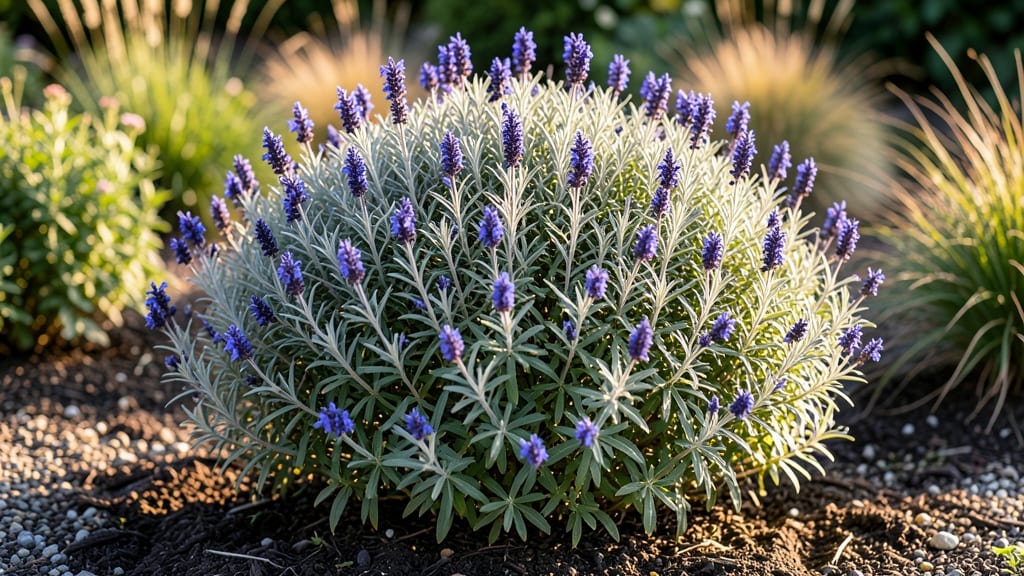
The Dark Knight bluebeard shrub turns your garden into a purple cloud by midsummer. 🌿 I planted mine last spring, and now it's covered in fragrant, drought-proof blooms that hummingbirds adore—no thorns, no fuss, just 3 simple trims to keep it looking sharp all season.
This shrub thrives in full sun and tolerates poor soil, making it perfect for hot, dry spots where other plants struggle. Plant it in well-draining soil, space it 3-4 feet apart, and water it deeply once established—it’s drought-tolerant once rooted.
The deep purple flowers bloom from mid-summer to fall, and the dark green foliage adds texture year-round.
Pruning is where the magic happens: trim back by one-third in early spring, shape lightly after flowering, and do a final cleanup in late winter. You’ll love how it fills in quickly, stays compact, and never needs heavy maintenance. The scent alone makes it worth growing!
Works beautifully as a hedge, specimen plant, or mixed border—just avoid overwatering, and it’ll reward you with years of low-maintenance color. Here’s how to keep it thriving without the hassle.
📚 In This Guide
- What you need
- Instructions
- Tips and common mistakes
- Wrapping up and next steps
What you need
- ● Pruning shears – Sharp, bypass-style (10-12" blade), for clean cuts. (1 pair)
- ● Hand pruners – For smaller branches (6-8" blade). (1 pair)
- ● Loppers – Heavy-duty (16-20" blade) for thicker stems. (1 pair)
- ● Garden gloves – Thick, cut-resistant (e.g., Mechanix or leather). (1 pair)
- ● Disinfectant spray – 70% isopropyl alcohol or pruning sealant to prevent disease. (1 bottle)
- ● Rake or broom – For clearing debris post-trim. (1)
- ○ Marking twine or flags – To outline cuts (optional but helpful for precision). (5-10 flags + twine)
- ● Pole saw – For high branches (if shrub is tall). (1)
- ● Pruning saw – For stubborn, thick stems. (1)
- ● Garden kneeler pad – For comfort during trims. (1)
- ● Camera or phone – To document your Dark Knight-inspired design! (1)
Step-by-Step guide to pruning bluebeard shrub 'Dark Knight' for a thorn-free canopy
Here’s how to transform this striking shrub into a lush, thorn-free focal point with just three straightforward trims.
✂️ Step 1: Early Spring Cleanup to Encourage New Growth
Start your pruning as soon as the last frost has passed and new growth begins—usually in late February to early March in most climates. The goal here is to remove any dead, damaged, or crossing branches that could hinder airflow and invite pests. I grab my bypass pruners and make clean cuts just above a leaf node or outward-facing bud, ensuring I never leave stubs.
Focus on thinning out the center of the shrub first. Bluebeard shrubs (Caryopteris) naturally grow in a rounded form, but over time, they can become dense and woody. By removing 20-30% of the oldest stems at the base, you’ll encourage fresh, vibrant growth from the center outward. Watch for branches that rub against each other—these are prime candidates for removal to prevent thorn formation.
✂️ Step 2: Mid-Summer Light Pruning for Shape and Airflow
About 6-8 weeks after the first trim, when the shrub is in full bloom, it’s time for a lighter touch. This isn’t about drastic reshaping but rather refining the form and ensuring those signature lavender-blue flowers get plenty of sunlight. I like to prune on a mild morning when the plant is hydrated but not stressed from heat.
Use your pruners to trim back any overlong stems that have lost their compact shape. Cut just above a set of leaves or a bud that faces outward to maintain the natural, rounded silhouette. Avoid shearing—this shrub thrives on its textured, layered look. If you notice any leggy growth reaching outward, shorten it by one-third to encourage bushier growth. This step also helps prevent the shrub from becoming too dense, which can lead to thorny, woody stems.
✂️ Step 3: Late Fall or Early Winter Structural Pruning for Next Year’s Growth
The final trim of the year happens after the first hard frost, when the shrub has gone dormant but before winter’s worst cold sets in. This is your chance to reshape the framework for next year’s growth. I wait until November or December, depending on my climate, to avoid encouraging new growth that could be damaged by frost.
Start by removing any dead or diseased wood—these branches won’t regrow and can harbor pests. Then, focus on thinning out the oldest stems at the base, cutting them back to ground level. This might sound drastic, but it’s how you keep the shrub youthful and vigorous. For the remaining branches, prune back by one-third to one-half to maintain a balanced shape. The result? A sturdy, thorn-free structure that bursts into bloom come spring.
🌿 Bonus: Year-Round Maintenance for a Thorn-Free Shrub
To keep your Dark Knight looking its best between pruning sessions, monitor it regularly. If you notice any branches rubbing together or growing too close, trim them back immediately to prevent thorn formation. Water deeply but infrequently—once a week in dry spells—to encourage deep root growth, which makes the shrub more resilient. Mulch around the base with 2-3 inches of organic mulch to retain moisture and suppress weeds, which can compete with your shrub’s roots.
Here’s the thing—Bluebeard shrubs are forgiving, but consistency is key. If you stick to this three-step pruning routine, you’ll have a thorn-free, flowering powerhouse that’s the envy of the neighborhood. And the best part? It’s simpler than it looks.
Tips & tricks for pruning bluebeard shrub 'Dark Knight'
A few simple tricks will help you achieve that perfect, thorn-free Bluebeard Shrub canopy every season. Here's what nobody tells you—
Timing is Everything: The late February to early March window for Step 1 is critical because it aligns with the shrub's natural dormancy break. If you prune too early, you risk damaging tender new growth; too late, and you might encourage weak spring growth. I've learned this the hard way after seeing neighbors' shrubs struggle with late pruning. Check your local frost dates for precise timing—this makes all the difference.
Precision Cuts Prevent Thorns: When making those clean cuts in Step 1, aim for just above a leaf node or outward-facing bud. This isn't just about aesthetics—it's about directing the shrub's energy where you want it to grow. I use my thumb as a guide: if I can see the bud clearly between my thumb and forefinger, I know I'm cutting in the right spot. This simple technique dramatically reduces thorn formation over time.
Visual Cues for Perfect Pruning: In Step 2, when you're trimming leggy growth by one-third, look for the point where the branch starts to lose its compact shape. This is your visual cue to cut. I think of it like sculpting—you're shaping the shrub's natural form, not forcing it into an unnatural shape. The goal is to maintain that beautiful rounded silhouette while keeping airflow optimal for those stunning lavender-blue flowers.
Seasonal Maintenance Matters: That 2-3 inches of organic mulch in the year-round maintenance section isn't just about suppressing weeds—it's about creating the perfect environment for your shrub. The mulch acts like a blanket, protecting roots from temperature extremes while retaining moisture. I've seen shrubs with proper mulching thrive through droughts that would stress poorly mulched plants. Think of it as giving your shrub a cozy, protective home year-round.
Pro Tips for Bluebeard Shrub Dark Knight
- A few simple tricks will help you achieve that perfect, thorn-free Bluebeard Shrub canopy every season. Here's what n...
- Timing is Everything: The late February to early March window for Step 1 is critical because it aligns with the shrub...
- Precision Cuts Prevent Thorns: When making those clean cuts in Step 1, aim for just above a leaf node or outward-faci...
Frequently asked questions
Got questions about keeping your Bluebeard Shrub (Caryopteris × clandonensis) thriving—especially when it’s nicked the Dark Knight look? Here are some of the most common ones, answered in a snap!
Is the Bluebeard Shrub really thorn-free?
The Bluebeard Shrub is naturally thorn-free—no prickly surprises! Its common name comes from its silvery-blue foliage and purple blooms, not thorns. The Dark Knight moniker is just a fun nod to its dramatic, shadowy silhouette when pruned back. Perfect for gardens where kids or pets roam!
When’s the best time to trim for that ‘Dark Knight’ silhouette?
Trim your Bluebeard Shrub twice a year: late winter/early spring (before new growth) to shape it, and right after flowering (late summer) to encourage bushiness. For the Dark Knight look, prune aggressively in spring—cut back 1/3 of the plant to dense, dark stems. Just avoid heavy cuts in fall!
How do I avoid over-pruning and killing my shrub?
Never trim more than 1/3 of the plant at once—Bluebeard Shrubs are tough but not invincible! Focus on outward-facing branches to maintain airflow and shape. If you’ve gone overboard, don’t panic: Water deeply, fertilize lightly, and let it recover. It’s slow to bounce back but will survive if roots stay healthy.
What’s a good alternative if I want dark stems but fewer pruning headaches?
If the Bluebeard Shrub feels too high-maintenance, try these low-fuss dark-stemmed shrubs:
- Dwarf Fothergilla – Dark, zigzag branches with fragrant spring blooms.
- Smokebush (Cotinus) – Feathery plumes and deep purple stems (needs minimal pruning).
- Oakleaf Hydrangea – Exfoliating bark and vibrant fall color.
Why are my Bluebeard Shrub’s leaves turning yellow or brown?
Yellow leaves usually mean overwatering or poor drainage—these shrubs hate soggy roots! Brown edges? It’s likely drought stress or winter burn (common in harsh climates). Troubleshoot:
- Check soil moisture—water only when top 1–2 inches are dry.
- Mulch to protect roots in winter.
- Fertilize lightly in spring with low-nitrogen shrub food.
Wrapping up and next steps
Transforming your Bluebeard Shrub into a Dark Knight-style masterpiece doesn’t have to be intimidating—just follow the simple trims we’ve shared! With the right tools and a little patience, you’ll enjoy a thorn-free, dramatic canopy that adds drama and elegance to your landscape. 🌿✂️
Ready to take the next step? Grab your shears and schedule a trim session on a bright, dry day. Before you know it, your Bluebeard Shrub will be the talk of the neighborhood—without the thorns! 🚀