
Mower
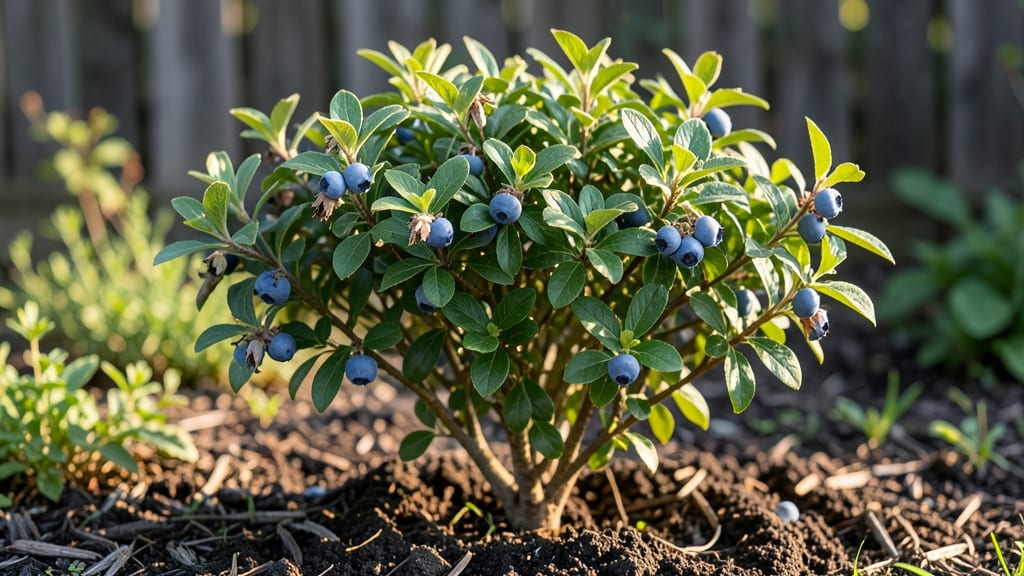
Blueberry shrubs can grow anywhere from 2 feet tall for dwarf varieties to 10 feet for standard types—knowing the right size ensures your bushes thrive without crowding. 🌿 I learned the hard way when my first planting got too dense, leading to fewer berries and more pests.
The key lies in choosing the right variety for your space and pruning strategically to maintain airflow and sunlight access.
Dwarf varieties like 'Top Hat' or 'Peach Sorbet' stay compact (3-4 feet tall), perfect for small yards or containers, while standard types like 'Bluecrop' or 'Jersey' spread 6-10 feet wide and need room to breathe.
Spacing matters: plant dwarfs 3-4 feet apart, standard bushes 8-10 feet apart to prevent competition for nutrients and water.
Pruning isn’t just about size control—it’s about healthier canes and bigger fruit. Cut back old canes (those without new growth) in late winter, and thin out crowded stems to improve sunlight penetration. A well-pruned bush produces 20-30% more berries while staying manageable in your landscape.
For container growing, choose dwarf varieties in 15-20 gallon pots with well-draining soil. Even in pots, pruning keeps plants productive and prevents root-bound stress. The right size makes all the difference between a bush that struggles and one that bursts with blueberries every season.
📚 In This Guide
- What you need
- Instructions
- Tips and common mistakes
- Wrapping up and next steps
What you need
- ○ Pruning shears: Bypass pruners (sharp, 6–8" blades) for clean cuts on small canes. Optional: Loppers (for thicker canes, 12–16" reach).
- ● Gloves: Heavy-duty, gardening-grade (cut-resistant, long sleeves) to protect from thorns and sap.
- ● Disinfectant: 70% isopropyl alcohol or bleach solution (1 part bleach : 9 parts water) to sterilize tools between cuts.
- ● Rake or leaf blower: For clearing debris post-pruning (especially in large shrubs with thick foliage).
- ● Measuring tape: Flexible, 25-foot to gauge cane height and spacing.
- ○ Pruning sealant (optional): Tree wound dressing (only for large cuts > ½" diameter; skip for small shrubs).
- ● Know your blueberry type: Northern highbush, southern highbush, or rabbiteye—each has unique size and pruning needs.
- ● Best time to prune: Late winter/early spring (before buds swell) for dormant pruning. Light pruning can happen post-harvest.
- ● Weather check: Avoid pruning if frost or rain is forecasted within 24–48 hours.
- ● Safety gear: Closed-toe shoes and eye protection (thorns and flying debris are real!).
Precision trimming for optimal blueberry shrub size
Healthy blueberry shrubs thrive when pruned to the right size—here’s how to balance growth and fruit production.
🌿 Step 1: Understand Your Blueberry’s Natural Growth Pattern
Blueberries grow on 2-year-old canes—first-year growth produces next year’s fruit, while second-year canes bear berries before dying. Overgrown shrubs produce fewer berries because energy goes into excess foliage instead of fruit. Aim for a 4- to 6-foot spread for mature bushes, with 3-5 main stems per plant. Thin crowded stems early to prevent disease and improve airflow.
Look for thin, weak canes—these are energy drains. Strong canes have thick stems and dark green leaves. If your shrub has more than 8-10 canes, it’s time to prune aggressively. I always start by removing dead or diseased wood first—these spread problems to healthy growth.
✂️ Step 2: Prune for Size and Shape in Late Winter
The best time to trim is February to early March, before buds swell. Cut one-third of the oldest canes at the base—these are wooden, hollow stems that no longer produce well. For size control, trim backward-growing canes (those angled inward) to 12-18 inches from the ground. This opens the center for sunlight and air circulation.
Use clean, sharp pruners to make 45-degree cuts just above a bud or lateral branch. Avoid leaving stubs—they invite rot. If a cane is thicker than a pencil, it’s a keeper; thinner ones can go. Real talk: I’ve seen gardeners over-prune, leaving no fruit-bearing canes—never remove more than 30% of the plant in one season.
☀️ Step 3: Maintain Size Through Seasonal Trimming
After flowering, check for suckers (vigorous shoots at the base) and remove them—these compete with fruit production. In summer, trim overly long canes back by one-third to encourage bushier growth. Watch for water sprouts (vertical shoots with no leaves)—these are energy vampires. Cut them off at the base immediately.
Here’s the thing—blueberries respond to light pruning better than heavy cuts. If your shrub is too large, spread pruning over 2-3 years to avoid shock. After trimming, water deeply to help the plant recover. You’ll see new growth in 4-6 weeks—that’s your signal the pruning worked.
🌱 Step 4: Adjust Size for Variety and Climate
Southern highbush varieties (like ‘Rabbiteye’) grow 6-10 feet tall and need stronger pruning than dwarf varieties (like ‘Top Hat’, which maxes at 3 feet). In warmer climates, prune later in the season (March-April) to avoid frost damage to new growth. In colder zones, finish pruning by early February to harden off canes before winter.
If your shrub is too small, focus on fertilizing (use acid-loving plant food) and watering deeply (1-2 inches per week). Small bushes often struggle from poor soil pH—test it and amend with sulfur or peat moss if needed. A healthy shrub will double in size within 3-5 years with proper care.
Tips & tricks for precision blueberry shrub trimming
These essential strategies will help you master the art of maintaining your blueberry shrubs without sacrificing fruit production.
Timing is Everything: The late winter window (February to early March) is critical because it allows the plant to recover before spring growth begins. I've learned the hard way that pruning too early can expose tender buds to frost, while waiting too long risks encouraging unwanted growth. If you miss this window, aim for late winter—just before buds swell. This timing ensures you're cutting back non-productive canes while preserving next year's fruit production.
Cane Selection Strategy: When evaluating canes, focus on thickness and health—anything thinner than a pencil is likely a weak cane that won't contribute to fruit production. The 3-5 main stems rule is your guide: keep the thickest, healthiest canes and remove the rest. In Step 2, when you're cutting back one-third of oldest canes, look for those hollow, wooden stems—they're the first to go. This selective approach maintains the plant's energy balance between growth and fruit production, which is the key to a productive shrub.
Seasonal Maintenance Secret: The summer trimming in Step 3 is where many gardeners miss the mark. Those water sprouts and overly long canes might look harmless, but they're stealing energy from your berries. I've seen bushes with perfect winter pruning completely undone by unchecked summer growth. The one-third reduction rule applies here too—cutting back just enough to encourage bushier growth without shocking the plant. This light approach keeps the shrub productive while maintaining its size.
Climate Adaptation: Your pruning timing should shift with your climate zone. In warmer southern regions, delay until March-April to avoid frost damage to new growth, while northern gardeners should finish by early February. This adjustment prevents winter dieback while still allowing for proper recovery before spring. The key is to work with your local growing season rather than against it—this simple adaptation can mean the difference between a thriving bush and one struggling to recover.
Pro Tips for Blueberry Shrub Size
- These essential strategies will help you master the art of maintaining your blueberry shrubs without sacrificing fruit production.
- Timing is Everything: The late winter window (February to early March) is critical because it allows the plant to recover before spring growth begins.
- Cane Selection Strategy: When evaluating canes, focus on thickness and health—anything thinner than a pencil is likely a weak cane that won't contribute to fruit production.
Frequently asked questions
Got questions about managing your blueberry shrub’s size? You’re not alone! Here are some of the most common concerns—and their answers—to help you keep your bushes thriving and productive.
How tall do blueberry shrubs typically grow?
Blueberry shrubs vary by variety, but most standard types (like rabbiteye or southern highbush) reach 6–12 feet tall and 5–8 feet wide at maturity. Dwarf varieties (e.g., ‘Top Hat’ or ‘Peach Sorbet’) stay compact at 2–4 feet tall, perfect for containers or small gardens. Prune annually to control size and encourage fruit production!
When is the best time to prune blueberry shrubs for size control?
Prune late winter or early spring (just before buds swell) to shape your shrubs and remove dead wood. Avoid pruning in fall, as it can stimulate new growth that may be damaged by frost. Light summer pruning (after harvest) can also help maintain size—just remove any overly vigorous shoots or crowded branches.
Why is my blueberry shrub growing too large, even after pruning?
Overgrowth often happens due to poor pruning habits (cutting too late, removing too many fruiting canes, or neglecting annual maintenance). Check your shrub’s center—if it’s hollow or crowded, it’s time for a rejuvenation prune (cut back ⅓ of the oldest canes). Also, ensure your shrub has 6+ hours of sun and well-draining, acidic soil (pH 4.5–5.5).
Can I keep a blueberry shrub small by planting in a container?
Dwarf varieties thrive in 15–20 gallon pots with 1–2 feet of depth. Use a well-draining potting mix (like ⅓ peat moss, ⅓ pine bark, and ⅓ sand) and repot every 2–3 years. Container-grown shrubs need regular pruning to prevent root-bound stress. Just remember: Standard varieties won’t stay small—stick to certified dwarf types!
Does pruning for size affect blueberry production?
Not if done correctly! Pruning encourages fruit production by improving air circulation and sunlight penetration. Always keep 3–5 of the strongest, youngest canes (they bear fruit on second-year wood). Avoid over-pruning—never remove more than ⅓ of the shrub’s canes in one year. Patience pays off with bigger, sweeter berries!
Still stumped? Drop your questions in the comments—we’re happy to help your blueberry shrubs reach their ideal size!
Wrapping up and next steps
Understanding the blueberry shrub size is key to nurturing thriving plants and bountiful harvests. By mastering pruning techniques—like removing dead canes, thinning crowded branches, and shaping for airflow—you’ll encourage healthier growth and sweeter fruit. Your green thumb is closer than you think!
Ready to elevate your blueberry care? Grab your pruners and start small—even a single shrub can make a difference. Happy trimming! 🌱✂️