
Shrubs
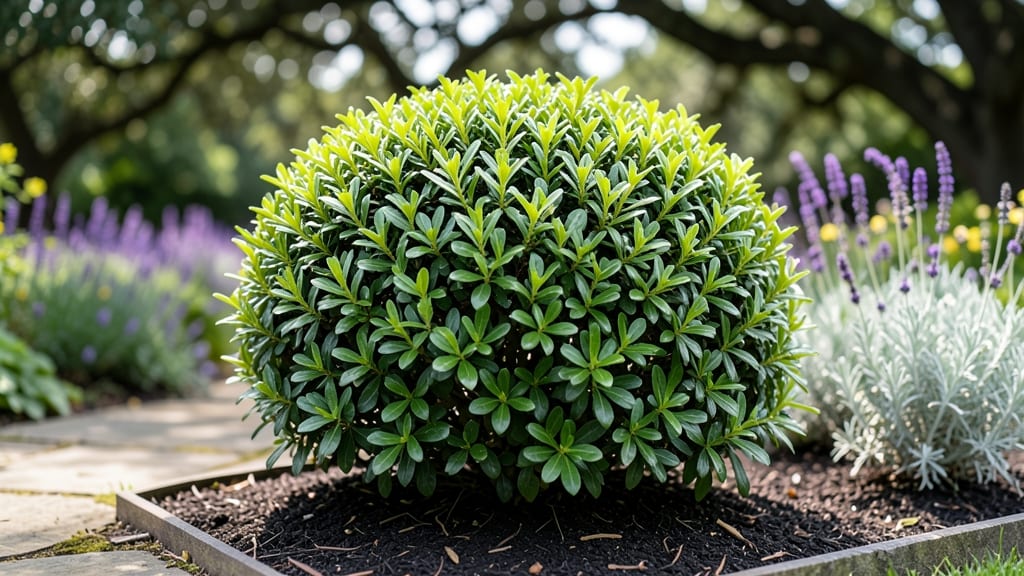
Growing boxwood shrubs in Zone 5 means mastering the art of cold-hardy pruning to keep them dense and beautiful year-round. 🌿 I’ve learned that the key isn’t just cutting back—it’s timing, technique, and understanding how these shrubs bounce back from winter’s chill.
The right approach transforms them from scraggly survivors into the manicured, evergreen stars of your landscape.
Zone 5’s harsh winters and occasional blight demand a few smart moves upfront. Start with well-draining soil mixed with compost, and plant in spots with morning sun and afternoon shade to protect from scorching.
Varieties like ‘Green Velvet’ and ‘Winter Gem’ thrive here because they handle the cold—just give them a little extra care during those sub-zero snaps. Pruning in early spring (before new growth) keeps them compact and healthy.
By late summer, you’ll see the payoff: glossy, lush foliage that stays vibrant even after frost. The secret is light shaping cuts—never more than ⅓ of the plant at once—and avoiding heavy pruning in fall, which stresses them before winter.
With this method, your boxwoods will stay the picture-perfect backdrop for borders, hedges, or foundation plantings for decades.
Works for both formal hedges and loose, natural shapes—just adjust the pruning shears. Here’s how to keep them thriving through Zone 5’s ups and downs without losing that polished look.
📚 In This Guide
- What you need
- Instructions
- Tips and common mistakes
- Wrapping up and next steps
What you need
- ● Pruning shears: Bypass pruners (sharp, clean, and disinfected with rubbing alcohol). Quantity: 1 pair (or 2 if pruning large shrubs).
- ● Loppers: For thicker branches (up to 1.5" diameter). Quantity: 1 pair.
- ● Hand pruners: For precision trimming (smaller stems). Quantity: 1 pair.
- ● Gloves: Heavy-duty gardening gloves (cut-resistant, Zone 5-friendly material). Quantity: 1 pair.
- ○ Pruning saw: Optional for thick, woody stems (if branches exceed 2" diameter). Quantity: 1.
- ● Disinfectant: 1-part bleach to 9-parts water (for sterilizing tools between cuts). Quantity: Small spray bottle or bowl.
- ● Rake or broom: For clearing debris post-pruning. Quantity: 1.
- ● Pruning sealant: For large cuts (e.g., Tanglefoot Tree Wound Pruning Sealer). Use: Only on cuts >0.5" diameter.
- ● Mulch: Organic mulch (e.g., shredded bark) to protect roots in winter. Quantity: 2–3 inches, spread 6" from shrub base.
- ● Stakes or twine: For training young boxwoods or shaping formal hedges.
- ● Ladder: If shrubs exceed 5 feet in height.
- ● Notebook & pencil: To sketch pruning plans or track growth progress.
- ● Know your boxwood variety: Check if it’s Buxus sempervirens (common boxwood) or a cold-hardy hybrid (e.g., ‘Winter Gem’).
- ● Timing: Prune in late winter/early spring (before new growth) or summer (after flowering). Avoid heavy pruning in fall.
- ● Weather check: Choose a dry, calm day (no rain forecast for 24 hours post-pruning).
- ● Safety first: Wear eye protection if pruning near overhead branches.
Step-by-Step guide to pruning boxwood shrubs in Zone 5
Here’s the method I’ve used for years to keep boxwoods lush, healthy, and perfectly shaped through Zone 5 winters.
✂️ Step 1: Time Your Pruning for Best Results
Prune boxwoods in late winter or early spring—just as new growth begins but before buds swell. This timing balances winter protection with spring vigor. Avoid heavy pruning in fall; it stimulates tender new growth that won’t survive Zone 5’s harsh winters. I mark my calendar for mid-March in my area, but adjust based on your last frost date.
If you spot dead or diseased branches anytime, remove them immediately—boxwoods are slow to recover. Use sterilized pruners (wipe with rubbing alcohol between cuts) to prevent spreading disease. You’ll know it’s the right time when you see tiny green buds peeking from the stems.
✂️ Step 2: Shape with Clean, Precise Cuts
Start by removing dead, crossing, or rubbing branches first—these compete for energy and weaken the shrub. Cut back to a healthy bud or branch junction, angling the cut slightly downward to encourage water runoff. For shaping, step back every few cuts to visualize the final form. Boxwoods respond well to gradual shaping, so avoid removing more than ⅓ of the plant’s volume in one season.
Use sharp bypass pruners for clean cuts—dull blades crush stems, inviting disease. Focus on maintaining the natural taper of the shrub, wider at the base and narrower at the top. If your boxwood has a formal shape (like a hedge), use a string guide to keep lines straight. For informal shapes, follow the plant’s natural growth patterns.
☀️ Step 3: Adjust for Sun Exposure After Pruning
After pruning, boxwoods need morning sun and afternoon shade in Zone 5 to prevent leaf scorch. If your shrubs are in full sun, water deeply once a week during dry spells—boxwoods wilt visibly when thirsty. Mulch with 2-3 inches of organic mulch (like shredded bark) around the base to retain moisture and regulate soil temperature.
Watch for brown leaf edges in hot afternoons—this is sunburn. If it happens, move the shrub to a slightly shadier spot or install a light shade cloth (30-50% coverage) during peak summer heat. In Zone 5, boxwoods also benefit from a thin layer of winter mulch (4-6 inches) in late fall to insulate roots from freezing temperatures.
⏰ Step 4: Maintain Year-Round with Light Touch-Ups
Give boxwoods a light trim in mid-summer (around July) to encourage dense growth before winter. Remove only the tips of new growth—no more than ½ inch per branch. This keeps the shrub compact and prevents leggy growth. Avoid heavy pruning in summer; it stresses the plant and makes it vulnerable to cold damage.
In late fall, do a final cleanup—remove any remaining dead or diseased branches and rake up fallen leaves to prevent fungal diseases. Apply a balanced fertilizer (10-10-10) in early spring to support new growth. Over time, you’ll notice your boxwoods developing a thicker, bushier habit with fewer gaps—this is the sign of proper pruning.
🌿 Step 5: Protect from Zone 5’s Harsh Winters
Before the first hard frost, wrap young or newly pruned boxwoods with burlap to shield them from drying winter winds. Mature shrubs usually handle cold well, but if you’ve done heavy pruning, give them extra protection. Water deeply before the ground freezes—hydrated roots are more cold-resistant.
In early spring, check for winter burn (brown, crispy leaves). Don’t prune affected branches until new growth appears—this helps the plant recover faster. If you see boxwood blight (black spots on leaves), treat immediately with a copper fungicide and remove infected leaves. With consistent care, your boxwoods will stay vibrant for decades.
Tips & tricks for perfect boxwood pruning in Zone 5
These simple strategies will help you keep your boxwoods looking sharp while adapting to Zone 5's unpredictable climate.
Timing is Everything: The mid-March window in Step 1 is ideal, but don't stress if your last frost comes later. Look for those tiny green buds—when they appear, it's your cue to prune. If you're in a particularly cold microclimate, wait until after the last frost date to avoid shocking new growth. I've seen boxwoods recover beautifully when pruned even a week after buds appear, but the earlier you go, the better they'll bounce back.
Pruning Technique That Makes All the Difference: When shaping in Step 2, think of your boxwood like a sculpture—work from the inside out. Remove the dead, crossing, or rubbing branches first, then step back every few cuts to visualize the final form. This prevents over-pruning and maintains that natural taper. I keep a small mirror on my belt to check hard-to-see spots—it's worth the silly look to get perfect lines! For formal shapes, I use a string guide tied between two stakes to keep my cuts perfectly straight.
Sun Exposure Secrets: After pruning, boxwoods in Zone 5 need that morning sun and afternoon shade to avoid leaf scorch. If you notice brown leaf edges in Step 3, it's not too late to fix it—move the shrub to a slightly shadier spot or install a light shade cloth (30-50% coverage) during peak afternoon heat. I've had great success with a simple white shade cloth that diffuses sunlight without blocking all light. This is especially important in July when temperatures can spike suddenly.
Winter Protection That Works: For Step 5's winter protection, don't just wrap young plants—mature shrubs benefit too if you've done heavy pruning. I use burlap wrapped loosely around the shrub (not tightly) to allow airflow while blocking harsh winds. For extra insurance, I add a layer of straw mulch around the base after the first hard frost. This creates a microclimate that protects roots from temperature swings, which is crucial for Zone 5's dramatic winter temperature fluctuations.
Pro Tips for Boxwood Shrubs Zone 5
- These simple strategies will help you keep your boxwoods looking sharp while adapting to Zone 5's unpredictable climate.
- Timing is Everything: The mid-March window in Step 1 is ideal, but don't stress if your last frost comes later. Look ...
- Pruning Technique That Makes All the Difference: When shaping in Step 2, think of your boxwood like a sculpture—work ...
Frequently asked questions
Got questions about growing boxwood shrubs in Zone 5? You’re not alone! Here are answers to the most common concerns—from pruning tips to winter prep—so your shrubs stay lush and healthy year-round.
How cold can boxwoods handle in Zone 5?
Most boxwood varieties (like Buxus sempervirens or Buxus microphylla) thrive in Zone 5’s winters, tolerating temps down to -15°F to -20°F (-26°C to -29°C). Young plants or tender varieties may need winter protection, like burlap wraps or mulch. Hardier cultivars, such as ‘Winter Gem’, are your best bet for harsh winters!
When is the best time to prune boxwoods in Zone 5?
Prune boxwoods late winter or early spring (February–March) to avoid frost damage or fungal risks. Light shaping can happen in summer, but avoid heavy cuts—this stresses the plant. Pro tip: Use sharp, sterilized tools to prevent disease, and never prune more than 1/3 of the plant at once!
Why are my boxwood leaves turning brown in Zone 5?
Brown leaves often signal winter burn (dry, cold winds), fungal issues (like boxwood blight), or over-pruning. To fix it:
- Water deeply before winter to build root strength.
- Apply a 2–3 inch mulch layer to protect roots.
- Space plants for airflow to prevent fungal spread.
- Test soil pH—boxwoods prefer acidic to neutral (5.0–7.0).
Can I grow boxwoods in full shade in Zone 5?
Yes! Boxwoods are shade-tolerant but grow best with 4–6 hours of morning sun. In deep shade, they may grow slowly or develop sparse foliage. If planting in low light, choose ‘Green Velvet’ or ‘Winterbox’—they handle shade better than others. Amend soil with compost to boost nutrients.
What’s a good alternative to boxwoods for Zone 5?
If boxwoods aren’t your style, try these Zone 5-friendly shrubs with similar structure:
- Inkberry Holly (Ilex glabra) – Disease-resistant, evergreen, and deer-resistant.
- Dwarf Ninebark (Physocarpus opulifolius ‘Little Devil’) – Tough, colorful foliage, and low-maintenance.
- Emerald Green Arborvitae (Thuja occidentalis ‘Smaragd’) – Needle-like leaves, great for hedges.
How do I protect boxwoods from deer in Zone 5?
Deer love boxwoods! Deter them with:
- Repellents (like hot pepper spray or commercial products).
- Physical barriers (chicken wire or fencing around young plants).
- Plant companions deer avoid, like Russian sage or lavender nearby.
- Motion-activated sprinklers for a surprise water blast.
Wrapping up and next steps
Growing boxwood shrubs in Zone 5 is totally doable with the right care—especially when you master pruning for shape, health, and cold resilience! 🌿 Whether you’re trimming for structure, reviving winter damage, or encouraging lush growth, these tips ensure your shrubs stay vibrant year-round.
Now that you’re armed with the blueprint, grab those shears and get pruning!
Ready to take it further? Experiment with creative shapes or try propagating cuttings for new plants—your green thumb will thank you! 🌟