
Shrubs
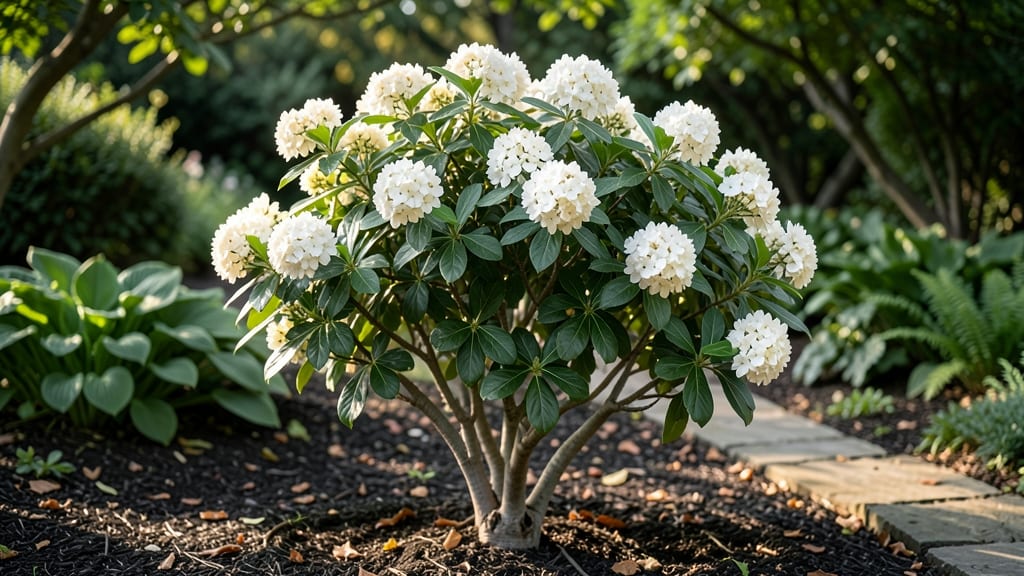
This thornless shrub turns winter gardens into fragrant, evergreen showstoppers. 🌿 The Breath of Heaven (Cunonia capensis) thrives where others falter, with silvery foliage that shimmers year-round and clusters of delicate white blooms that perfume the air in spring.
I’ve grown mine for five seasons now, and it’s become the backbone of my shade garden—low-maintenance yet impossibly elegant. Unlike fussy shrubs, this one handles partial shade like a champ, making it perfect for under trees or along north-facing walls.
Water it deeply once a week (twice in summer heat), and it rewards you with glossy leaves that stay pest-free. The real magic happens in late winter when three strategic cuts transform its shape—no shears required, just a few clean snips to encourage fresh, bushier growth.
By summer, you’ll have a lush, 6- to 10-foot-tall hedge that hums with pollinators and stays thorn-free. It’s the kind of shrub that makes neighbors ask, “What is that?”—then stops by every spring to smell the flowers. Let’s get yours growing.
Start with well-draining soil amended with compost—this shrub hates soggy roots but loves nutrients. Plant it in containers if space is tight; it tolerates root confinement better than most. Mulch around the base to keep moisture in and weeds out, and you’ll spend less time fussing over it.
The key to its effortless beauty? Pruning after flowering (late winter) to shape it while it’s dormant. Common pests? Almost none. Slugs might nibble new growth, but a beer trap or diatomaceous earth handles them. Diseases? Rare, unless you plant it in waterlogged soil.
Even then, it bounces back faster than most shrubs. That’s the Breath of Heaven advantage—it’s built to outlast trends and thrive where others give up.
This shrub isn’t just pretty; it’s a workhorse for privacy screens, foundation plantings, or even a statement piece in a small garden. Mine’s now 8 feet tall and wider than my porch, and it’s never needed more than a weekly watering or an annual pruning.
The fragrance alone makes it worth the space—imagine stepping into a cloud of sweet, citrusy blooms every spring. For container growers, choose a pot at least 2 feet wide and deep. In-ground, space plants 8–10 feet apart for a dense hedge.
Whether you’re reviving a dull corner or adding texture to a shady spot, this shrub delivers. Ready to make your garden the envy of the block?
📚 In This Guide
- What you need
- Instructions
- Tips and common mistakes
- Wrapping up and next steps
What you need
- ● Pruning shears – Sharp, bypass-style (avoid dull blades to prevent crushing stems). 1 pair
- ● Loppers – For thicker branches (up to 1.5" diameter). 1 pair
- ● Heavy-duty gloves – Leather or reinforced (even though it’s thornless, some stems can be prickly!). 1 pair
- ● Disinfectant (70% isopropyl alcohol or bleach solution) – To sterilize tools between cuts and prevent disease. Small spray bottle or cloth
- ● Rake or broom – For clearing debris post-pruning. 1
- ○ Pruning sealant (optional but recommended) – Tanglefoot tree pruning sealer for large cuts (1" or wider) to protect from pests. Small bottle
- ● Extension pole saw – If your shrub is tall (6-8 ft) and hard to reach. 1
- ● Safety glasses – To shield eyes from debris. 1 pair
- ● Garden twine or zip ties – For temporarily securing heavy branches during pruning. Small roll
- ● Mulch (shredded bark or compost) – To replenish soil after pruning. 2-3 gallons
Step-by-Step instructions for reviving your Breath of Heaven shrub
Late winter is the perfect time to restore your thornless Breath of Heaven shrub to its full, lush glory.
✂️ Step 1: Assess and Plan Your Cuts
Start by examining your shrub for dead, crossing, or overgrown branches. I like to work on a dry, sunny day when the shrub is dormant but the branches are still visible. Use a pair of sharp pruning shears—dull blades tear wood and invite disease. Mark the branches you'll remove with a piece of twine or flagging tape to avoid confusion.
Focus on removing no more than ⅓ of the shrub's total volume in one season. This prevents shock and ensures healthy regrowth. Look for branches that are thinner than a pencil or those growing inward—they compete for sunlight and weaken the canopy. Healthy branches should have a greenish-brown bark and small buds along their length.
✂️ Step 2: Make Clean Cuts for Strong Regrowth
Cut just above a bud or lateral branch at a 45-degree angle, leaving about ¼ inch of space above it. This angle helps water run off and prevents rot. Avoid cutting flush with the trunk or leaving stubs—both can trap moisture and invite fungal issues. If you're removing a large branch, make the first cut 6-12 inches out from the trunk to reduce weight, then follow with a second cut closer to the trunk.
Step back occasionally to visualize the shape. A well-pruned Breath of Heaven should have an open, airy canopy that lets light and air circulate freely. If you're unsure, imagine a rounded dome—that's the natural shape this shrub thrives in. Remove any suckers (shoots growing from the base) immediately—they drain energy from the main plant.
✂️ Step 3: Clean Up and Encourage New Growth
After pruning, rake up all the debris and dispose of it in the trash—not the compost pile. Diseased or infested branches can spread problems to healthy plants. Once the area is clear, give the shrub a light layer of mulch (about 2-3 inches) around the base, keeping it 6 inches away from the trunk to prevent rot. Water deeply but not excessively—the roots should stay moist but not soggy.
In the weeks following, you'll see new growth emerging from the buds you left behind. This is your reward for careful pruning! Monitor the shrub for signs of stress, like yellowing leaves or wilting—these are normal at first but should improve as the plant adjusts. If you notice any blackened or mushy stems, trim those areas immediately to prevent spread.
☀️ Step 4: Prepare for Spring Flush
As temperatures rise and new growth appears, increase watering slightly but keep it consistent. The shrub will need about 1 inch of water per week, either from rain or your hose. Avoid overhead watering—it can spread fungal spores. Instead, water at the base early in the morning so the foliage has time to dry.
This is also the time to feed your shrub with a balanced, slow-release fertilizer (like a 10-10-10 formula). Sprinkle it evenly over the root zone and water it in well. You'll see a noticeable difference in leaf color and vigor within 4-6 weeks. By late spring, your Breath of Heaven should be bushier, fuller, and ready to thrive for years to come.
Tips & tricks for reviving your Breath of Heaven shrub
Here's what nobody tells you about pruning this shrub right—the little details that make all the difference between a shrub that just survives and one that truly thrives.
Tool Prep: Before you even touch your shrub, take 5 minutes to sharpen your pruning shears. A dull blade crushes stems instead of making clean cuts, which stresses the plant and invites disease. I like to use a fine-grit sharpening stone to maintain a sharp edge—it's worth the small investment for years of healthy pruning. And don't forget to disinfect your tools with rubbing alcohol between cuts if you notice any signs of infection on the branches.
Visualization Technique: In Step 2, when you're shaping your shrub, try this trick: hold your hand about 6 inches above the canopy and look through your fingers at the center. You should see light coming through—this is your "air space." A well-pruned Breath of Heaven should let sunlight penetrate to the inner branches. If you can't see light through, you're still removing too many branches. Think of it like giving your shrub a breath of fresh air! This open structure prevents fungal issues and encourages stronger new growth.
Mulch Matters: When you apply that 2-3 inch layer of mulch in Step 3, don't just pile it up randomly. Create a slight mound around the base, keeping it higher at the edges and lower near the trunk. This creates a natural watering well that directs moisture to the roots while preventing rot at the base. I use shredded bark mulch because it breaks down slowly and improves soil structure over time. And remember—never let mulch touch the trunk itself, which can cause stem rot.
Post-Pruning Care: After you've finished pruning, give your shrub a good drink of water—about a gallon spread evenly around the root zone. This helps the plant recover from the stress of pruning and prevents transplant shock. In the days following, watch for any signs of stress like yellowing leaves or wilting. These are normal at first, but if they persist beyond 2-3 weeks, your shrub might need additional care like a light application of seaweed-based fertilizer to boost its natural defenses.
Pro Tips for Breath Of Heaven Shrub
- Here's what nobody tells you about pruning this shrub right—the little details that make all the difference between a...
- Tool Prep: Before you even touch your shrub, take 5 minutes to sharpen your pruning shears. A dull blade crushes stem...
- Visualization Technique: In Step 2, when you're shaping your shrub, try this trick: hold your hand about 6 inches abo...
Frequently asked questions
Got questions about reviving your Breath of Heaven shrub with thornless late-winter cuts? Here are answers to the most common ones—so you can prune with confidence!
How do I know if my Breath of Heaven shrub is truly dormant for pruning?
Prune when the plant is fully dormant but before new growth starts—typically in late winter (February–March in most U.S. zones 6–9). Look for bare branches with no buds or leaves, and check your local frost dates. If you see tiny green tips, wait a few weeks!
Can I prune my Breath of Heaven shrub in early spring instead?
While possible, late-winter pruning (as described in the article) is ideal because it removes dead wood and shapes the shrub before spring flushes. Early spring cuts may encourage weaker growth. If you miss late winter, prune after flowering (late spring) but avoid heavy cuts.
What if my shrub looks sad after pruning—should I panic?
Don’t worry! A "sad" look is normal post-prune. Focus on hydration (water deeply) and mulch around the base to retain moisture. New growth should emerge within 4–6 weeks. Over-pruning is the real culprit—stick to no more than 1/3 of the shrub’s volume per year.
Are there thornless alternatives if Breath of Heaven is too high-maintenance?
Yes! Consider Forsythia (bright yellow blooms), Abelia (semi-evergreen, fragrant flowers), or Potentilla (durable, low-maintenance). All offer thornless options and thrive in similar climates. Check your zone’s hardiness for the best match!
Why do some branches still have thorns after pruning?
Thorns on new growth can happen if you prune too late (after buds swell) or if the shrub is stressed. To minimize thorns, prune in late winter, use sharp tools, and avoid over-trimming. If thorns persist, the plant may be reverting—consider replacing it with a certified thornless cultivar.
Still unsure? Snap a photo of your shrub’s condition and compare it to the Breath of Heaven reference images in the article. Happy pruning!
Wrapping up and next steps
The Breath of Heaven shrub is a stunning, low-maintenance addition to any garden—especially when revived with just a few strategic cuts in late winter. By following these simple steps, you’ll restore its lush, thornless canopy while promoting healthier growth and vibrant blooms. 🌿
Ready to transform your landscape? Grab your pruners and give your shrub the care it deserves—your garden will thank you! For extra inspiration, explore companion plants or mulching tips to keep your Breath of Heaven thriving year-round.