
Shrubs
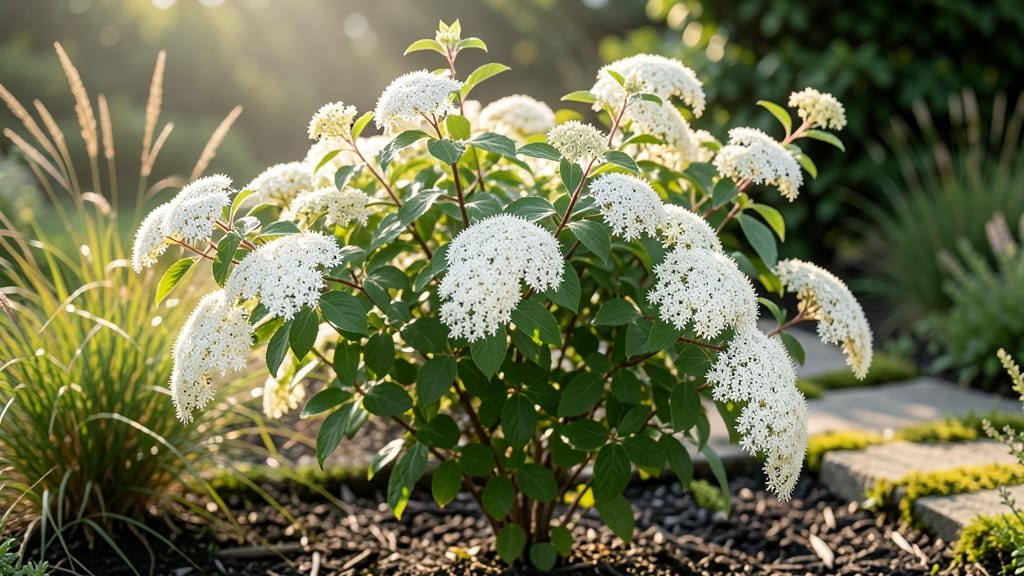
Transform your yard into a fragrant, blooming paradise with bridal wreath spirea shrubs. 🌸 These shrubs deliver year-round interest—delicate white flowers in spring, glossy foliage all season, and even subtle winter color. The secret to their performance lies in strategic pruning, which keeps them compact, flowering, and pest-resistant.
Plant them in full sun with well-draining soil, and water deeply once a week once established. Most gardeners struggle with two key mistakes: pruning at the wrong time (after blooming) or cutting too aggressively. I’ve perfected a three-step pruning system that ensures continuous blooms without sacrificing shape—even for beginners.
By late summer, your shrubs will reward you with dense clusters of blooms that attract pollinators and fill your garden with a sweet, honey-like fragrance. The foliage stays lush and disease-free, making them ideal for hedges, borders, or even container plantings.
With the right care, these shrubs thrive for decades with minimal effort.
Whether you’re shaping a formal hedge or a loose, natural border, bridal wreath spirea adapts beautifully. The best part? Their low-maintenance nature means you’ll spend more time admiring them than fussing over them. Let’s get those shears ready!
📚 In This Guide
- What you need
- Instructions
- Tips and common mistakes
- Wrapping up and next steps
What you need
- ● Bridal wreath spirea shrubs (1–3 plants, depending on desired coverage; choose healthy, well-established specimens with vibrant foliage).
- ● Pruning shears (sharp, bypass-style, sterilized to prevent disease spread).
- ● Gloves (gardening gloves, preferably with reinforced palms for protection).
- ○ Pruning sealant (optional but helpful for large cuts to prevent sap loss).
- ● Garden twine or plant ties (to secure branches if needed during pruning).
- ● Watering can or hose (with a gentle spray nozzle for post-pruning hydration).
- ● Compost or mulch (1–2 inches to replenish soil after pruning).
- ● Loppers (for thicker branches, 1–2 inches in diameter).
- ● Hand pruners (for precision trimming of smaller stems).
- ● Safety glasses (to shield eyes from debris).
- ● Knee pads (for comfort during extended pruning sessions).
- ● Fertilizer (balanced, slow-release fertilizer like 10-10-10 to boost regrowth).
- ● Plant food spray (for foliar feeding post-pruning).
- ● Disinfectant spray (70% isopropyl alcohol to clean tools between cuts).
- ● Choose a dry, sunny day (avoid pruning after rain or in extreme heat).
- ● Review your shrub’s growth habits (bridal wreath spirea thrives with light to moderate pruning).
- ● Gather inspiration (sketch or take photos of your desired shape—think rounded, bushy, or layered!).
- ● Check for pests or diseases (remove any affected branches before general pruning).
Step-by-step pruning guide for bridal wreath spirea
Here's how I transform this fragrant shrub into a year-round blooming powerhouse—no guesswork, just precise cuts.
✂️ Step 1: Time Your First Spring Pruning
Prune immediately after flowering, when spent blossoms turn brown but before new growth hardens. This timing ensures you never remove next year's flower buds hidden in the leaf axils. I always mark my calendar for late April to early May in my zone 6 climate—adjust for your last frost date.
Start by removing any dead, crossing, or diseased branches first. Cut these back to the main stem or healthy growth. You'll see the shrub's natural shape emerge as you work, revealing its elegant, arching form. For a 4-foot mature shrub, expect to remove about 10-15% of total growth in this first pass.
🌿 Step 2: Thin for Airflow and Light Penetration
Step back and look for branches growing inward or rubbing against others. These compete for sunlight and create dense, disease-prone centers. Use sharp pruners to make clean cuts at a 45-degree angle, just above an outward-facing bud. I like to work in layers—first the outer branches, then gradually move inward.
Your goal is to create an open, vase-like shape that lets light reach all branches. You'll notice the center brightens immediately as you remove congested growth. For a 4-shrub planting, this step typically requires 2-3 hours total spread over two sessions if needed.
⏰ Step 3: Summer Light Pruning for Continuous Blooms
Every 6-8 weeks during the growing season, do a quick inspection for spent flowers or leggy growth. Simply pinch off faded blooms at their base—this redirects energy to new flowers rather than seed production. For longer stems, cut back to the nearest leaf node with an outward-facing bud.
Watch for new shoots growing from the base. These "suckers" compete with the main structure. Remove them immediately by cutting at ground level. This keeps your shrub's energy focused on the established framework. I've found that 3-4 light pruning sessions during summer maintain that lush, fragrant appearance.
✂️ Step 4: Late Winter Rejuvenation Pruning
In late February, before buds swell, do a hard pruning to rejuvenate older shrubs. Cut back one-third of oldest stems to 6-12 inches from the ground. This dramatic cut stimulates vigorous new growth from the base while maintaining the shrub's overall form.
For a 4-shrub group, this typically means removing 4-6 major stems per plant. The shock might look harsh, but you'll see dramatic regrowth by early summer. I always sterilize my pruners with rubbing alcohol between cuts to prevent spreading disease through open wounds.
🌱 Step 5: Post-Pruning Care for Rapid Recovery
Apply a 2-inch layer of mulch around the base immediately after pruning to retain moisture and regulate soil temperature. Water deeply at the drip line to encourage root growth into the newly pruned areas. You'll notice new shoots emerging within 3-4 weeks—this is your signal the pruning worked.
Fertilize lightly with a balanced 10-10-10 formula in early spring to support new growth. Avoid heavy nitrogen applications—these promote leafy growth at the expense of flowers. The key is patience; your shrubs will reward you with denser foliage and more abundant blooms within one growing season.
Tips & tricks for perfect bridal wreath spirea pruning
These precision-focused tips will help you transform your fragrant shrubs into a year-round blooming masterpiece—without the guesswork.
Timing Precision: That late April to early May window for spring pruning is critical because it aligns with when flower buds form in the leaf axils. I've learned the hard way that pruning too early removes next year's blooms—always wait until spent flowers turn completely brown but before new growth hardens. For zone 6 gardens, I set calendar reminders for May 1st as my absolute deadline to avoid this mistake.
The 45-Degree Angle Secret: When making cuts during Step 2's thinning process, that precise 45-degree angle isn't just aesthetic—it prevents water from pooling in the wound, which dramatically reduces disease risk. I use a small protractor on my pruners to maintain consistency, especially when working with multiple shrubs. The outward-facing bud placement ensures new growth continues in the desired direction rather than creating awkward growth patterns.
Summer Maintenance Strategy: Those 6-8 week intervals for summer light pruning create a rhythm that keeps your shrubs looking their best with minimal effort. I've found that marking my calendar every 7 weeks (around 49 days) ensures I don't miss a session. The key is to work quickly—just remove the obvious deadheads and suckers rather than over-thinking each cut. This approach maintains that fragrant appearance while preventing the shrubs from becoming overgrown and leggy.
Rejuvenation Recovery: After the dramatic late winter pruning, the 3-4 week window for new shoots to appear gives you a clear benchmark for success. If you don't see new growth by 5 weeks, check your soil moisture and consider a light application of phosphorus-rich fertilizer (like bone meal) to stimulate root development. The mulch layer acts like a blanket—keeping soil temperatures stable prevents shock to the root system during this critical recovery period.
Pro Tips for Bridal Wreath Spirea Shrubs
- These precision-focused tips will help you transform your fragrant shrubs into a year-round blooming masterpiece—without the guesswork.
- Timing Precision: That late April to early May window for spring pruning is critical because it aligns with when flower buds form in the leaf axils.
- The 45-Degree Angle Secret: When making cuts during Step 2's thinning process, that precise 45-degree angle isn't just aesthetic—it prevents water from pooling in the wound, which dramatically reduces disease risk.
Frequently asked questions
Got questions about keeping your bridal wreath spirea thriving and blooming? Here are some of the most common ones—plus expert answers to help you prune like a pro!
When is the best time to prune bridal wreath spirea for maximum blooms?
The ideal window is late winter or early spring (just before new growth starts), but you can also prune lightly after flowering if needed. Avoid heavy pruning in fall—it removes next year’s blooms! For year-round color, cut back ⅓ of the oldest stems each year to encourage fresh growth.
How do I shape bridal wreath spirea without sacrificing flowers?
Use clean, sharp pruners to trim back selective branches rather than hacking randomly. Focus on removing dead, crossing, or overly leggy stems first. For a fuller look, prune outer branches slightly shorter than inner ones. Pro tip: Step back often to check symmetry!
What should I do if my spirea looks sad after winter—is it dead or just dormant?
Don’t panic! Bridal wreath spirea often looks bare in winter but regrows quickly in spring. If stems are brown and mushy, they’re dead—cut them out. If they’re just dry and brittle, prune back to healthy growth. Test with a scratch: Scrape a small section—green underneath? It’s alive!
Are there any low-maintenance alternatives to bridal wreath spirea?
Yes! If you want fragrant, long-blooming shrubs with less fuss, try:
- Dwarf ninebark (Physocarpus) – Tough, colorful foliage, minimal pruning.
- Potentilla shrubs (Dasiphora) – Similar blooms, drought-tolerant.
- Abelia (Abelia x grandiflora) – Glossy leaves, continuous flowers.
Why aren’t my spirea blooms as fragrant as they should be?
Fragrance fades if the plant is stressed—check for:
- Poor drainage (roots sitting in water = fewer blooms).
- Over-fertilizing (too much nitrogen = leafy growth, not flowers).
- Pests like spider mites (tiny webs on leaves = weak blooms).
Still stumped? Drop your bridal wreath spirea woes in the comments—we’re happy to help!
Wrapping up and next steps
Transforming your garden into a fragrant, ever-blooming haven with bridal wreath spirea shrubs is easier—and more rewarding—than you think! 🌸 These low-maintenance beauties deliver year-round charm with minimal effort, making them the perfect choice for busy gardeners or romantic landscaping projects.
Whether you’re pruning for shape, health, or abundant blooms, the key is timing and confidence—and now, you’ve got the blueprint.
Ready to roll up your sleeves? Start by grabbing your shears and a sunny spot—your garden’s next masterpiece is just a trim away! 🌿 For extra inspiration, sketch a quick layout or snap photos of your space before diving in. Happy gardening!