
Shrubs
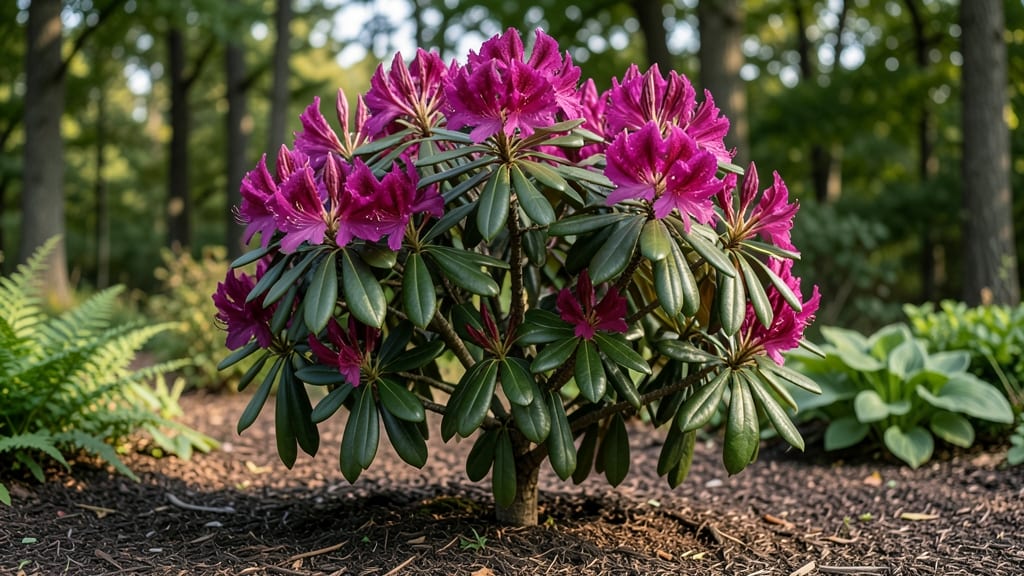
Growing broadleaf evergreen shrubs transforms your yard into a lush, year-round privacy screen—no thorns, just dense foliage that thrives through every season. 🌿 I planted my first row of 'Emerald Green' arborvitae three years ago, and now it stands tall at 8 feet, blocking nosy neighbors while letting light filter through.
The secret isn't just the right species—it's the soil, water, and pruning routine that keeps them growing strong.
Start with well-draining soil mixed with compost—these shrubs hate soggy roots. Most varieties need 6+ hours of sun daily, though some tolerate partial shade. Water deeply once a week (more in summer), and mulch to lock in moisture.
Prune in late winter or early spring to shape them neatly, but avoid cutting into old wood—it won’t regrow. Common thornless picks include 'Emerald Green' arborvitae, 'Green Giant' false cypress, and 'Sky Pencil' holly for vertical screens.
By year three, your screen will be dense enough to block views while letting breezes through. The foliage stays vibrant even in winter, and with proper care, these shrubs live for decades.
Just watch for spider mites (spray with water) and fungal spots (prune for airflow). For a foolproof hedge, stick to one variety—mixing types leads to uneven growth.
Works in any yard size, from tight urban lots to sprawling backyards. The key is patience—these shrubs grow 1-2 feet per year, but the payoff is a living wall that never fades. Ready to plant? Grab your gloves and let’s get started!
📚 In This Guide
- What you need
- Instructions
- Tips and common mistakes
- Wrapping up and next steps
What you need
- ● Broadleaf evergreen shrub plants: 3–5 healthy, disease-free specimens (e.g., Ilex, Photinia, or Camellia), spaced 3–6 feet apart (depending on mature size).
- ● High-quality soil: 2–3 cubic yards of well-draining, slightly acidic soil (pH 5.0–6.5) or compost blend for planting.
- ● Organic mulch: 2–3 inches of shredded bark, pine straw, or wood chips to retain moisture and suppress weeds.
- ● Fertilizer: Slow-release balanced fertilizer (10-10-10) or acid-loving plant food (e.g., Miracle-Gro Azalea, Camellia & Rhododendron).
- ● Watering supplies: Garden hose with a soaker hose or drip irrigation system (for deep, consistent watering).
- ● Pruning tools: Bypass pruners (for clean cuts)
- ● Loppers (for thicker branches)
- ● Hand saw (for stubborn stems)
- ○ Support stakes (optional but helpful): 4–6 ft wooden or metal stakes + soft ties (for young, top-heavy shrubs).
- ● Soil test kit: To check pH and nutrient levels before planting.
- ● Epsom salt: For magnesium boosts (especially for yellowing leaves).
- ● De-icing salt alternative: For winter protection in cold climates (e.g., calcium chloride-free products).
- ● Plant food spray: Foliar feed like Seaweed Extract for extra nutrients.
- ● Privacy screen calculator: To estimate plant spacing for full coverage in 3 years.
Step-by-step instructions for planting a thornless evergreen privacy screen
Here's how to create a lush, wind-blocking screen using broadleaf evergreens—no thorns, just beauty.
🌱 Step 1: Choose the Right Shrubs and Planting Spots
Select fast-growing, thornless varieties like Olearia lyallii (snow bush) or Ilex crenata (Japanese holly). These handle pruning well and stay dense year-round. Space plants 3-4 feet apart in rows—closer for quicker coverage, farther for larger mature shrubs. I always mark spots with stakes to avoid crowding later.
Pick a location with morning sun and afternoon shade for best growth. Evergreens hate soggy roots, so avoid low spots where water pools. Test soil drainage by digging a 6-inch hole—if water sits after 30 minutes, amend with 2 inches of compost or plant on a slight mound.
🪴 Step 2: Dig Holes and Prepare the Soil
Dig holes twice as wide as the root ball but only as deep—evergreens dislike being buried too deep, which can strangle roots. Loosen the sides of the hole with a shovel to encourage root spread. Mix the excavated soil with 1 part compost (from your 3 cubic feet supply) to improve fertility and drainage.
Place each shrub in its hole, ensuring the top of the root ball sits level with the surrounding soil. Fill gaps with amended soil, pressing gently to remove air pockets. Water deeply to settle everything—you’ll see soil sink slightly as roots expand into the loose mix.
☀️ Step 3: Water and Mulch for First-Year Establishment
Give each new shrub 1 gallon of water immediately after planting, then 2 gallons weekly for the first month. Evergreens need consistent moisture to establish roots, but avoid waterlogging. You’ll know it’s right when soil feels damp 2 inches down but not soggy.
Spread 2 inches of mulch (from your 4 cubic feet supply) around each plant, keeping it 3 inches away from stems to prevent rot. Use pine straw or shredded bark—it retains moisture while allowing airflow. Replenish mulch annually to maintain coverage and suppress weeds.
✂️ Step 4: Prune for Shape and Density
Wait 6 months before pruning—this lets roots strengthen. Then, cut back one-third of the new growth in early spring to encourage bushier growth. Use clean, sharp shears (disinfected with rubbing alcohol) to make cuts at a 45-degree angle just above a leaf node. This prevents disease and promotes healing.
For a uniform screen, trim the outer edges first to shape the hedge. Evergreens respond well to regular pruning, so lightly trim again in midsummer to maintain density. Avoid heavy pruning in fall—it stresses plants before winter dormancy.
⏰ Step 5: Monitor and Maintain Through Year 3
Check soil moisture weekly—evergreens wilt visibly when thirsty. Water deeply when the top inch feels dry, but reduce frequency in winter unless temperatures drop below 20°F. Fertilize lightly in early spring with a balanced 10-10-10 formula (use 1/4 cup per plant) to support growth without burning roots.
By year 3, your screen should reach 6-8 feet tall with minimal gaps. If any shrubs lag, prune them back harder in spring—they’ll often rebound with vigorous new growth. Keep an eye out for pests like spider mites (tiny webs on leaves) and treat early with neem oil to avoid infestations.
Tips & tricks for planting a thornless evergreen privacy screen
Took me years to figure out these tricks—here's how to avoid the common pitfalls that trip up even experienced gardeners.
Location is Everything: That morning sun and afternoon shade recommendation isn't just ideal—it's critical. Evergreens in full sun can scorch, while too much shade stunts growth. I've seen screens planted in full shade take twice as long to mature. If your yard only offers full sun, choose drought-tolerant varieties like Ilex crenata 'Green Lustre' that handle heat better.
Soil Test First: Don't skip the 30-minute drainage test! I learned this the hard way after planting 12 shrubs in heavy clay soil that stayed waterlogged. If your soil fails the test, mix in 3 parts sand to your 1 part compost ratio. For acid-loving varieties like Japanese holly, work in peat moss too—it lowers pH naturally.
Watering Wisdom: Those first two gallons weekly are non-negotiable during the first month. I used to water less, thinking "more is better," but overwatering causes root rot just as surely as underwatering. Check moisture by sticking your finger 2 inches down—it should feel like a damp sponge, not a wet towel. A moisture meter helps if you're unsure.
Pruning Precision: The 45-degree angle cut might seem fussy, but it makes all the difference. Straight-across cuts leave stubs that invite disease. I keep rubbing alcohol in a small spray bottle near my pruners—just a quick spritz between cuts keeps tools sterile. And never prune when leaves are wet; fungal spores spread easily in damp conditions.
Pro Tips for Broad Leaf Evergreen Shrub
- Took me years to figure out these tricks—here's how to avoid the common pitfalls that trip up even experienced gardeners.
- Location is Everything: That morning sun and afternoon shade recommendation isn't just ideal—it's critical.
- Soil Test First: Don't skip the 30-minute drainage test!
Frequently asked questions
Got questions about growing broadleaf evergreen shrubs for your privacy screen? Here are answers to the most common concerns—so you can plant with confidence!
How fast do broadleaf evergreen shrubs grow for a privacy screen?
Most broadleaf evergreens grow 1 to 3 feet per year, depending on the variety. With proper care (water, sunlight, and soil prep), you can expect a 6-to-10-foot-tall screen in 3 years. Fast-growing options like Loropetalum or Camellia (with patience) are great choices for quicker results.
Are broadleaf evergreens cold-hardy enough for my climate?
It depends! Many broadleaf evergreens thrive in USDA Zones 7–10, but some (like Oakleaf Hydrangea) tolerate down to Zone 5. Check the specific variety’s hardiness zone—most nurseries label it. Pro tip: Mulch heavily in winter to protect roots from freeze-thaw cycles!
Do broadleaf evergreens need full sun, or can they grow in shade?
Most prefer partial sun (4–6 hours of light daily), but some, like Pieris japonica, tolerate shade. Avoid deep shade—it can lead to leggy growth or sparse foliage. Test your spot: If it’s bright but not scorching, it’s usually ideal!
Are there thornless broadleaf evergreen shrubs for safe privacy screens?
Skip the prickles with thornless varieties like:
- Loropetalum chinense (purple foliage, no thorns)
- Camellia sasanqua (smooth leaves, winter blooms)
- Oakleaf Hydrangea (soft, rounded leaves)
What pests or diseases should I watch for with broadleaf evergreens?
Common issues include:
- Spider mites (dry, yellowing leaves—spray with water or neem oil).
- Scale insects (sticky residue—use horticultural oil).
- Root rot (from overwatering—ensure well-draining soil).
Wrapping up and next steps
Growing a thornless broadleaf evergreen shrub as your privacy screen is a rewarding project that combines beauty with functionality! With the right variety—like Ilex or Photinia—and a little patience, you’ll enjoy lush, year-round greenery in just three years.
Whether you’re a beginner or a seasoned gardener, the key is consistency in care and smart planning.
Ready to transform your space? Start by selecting your shrubs—visit a local nursery or order online to get your project rolling! 🌱