
Shrubs
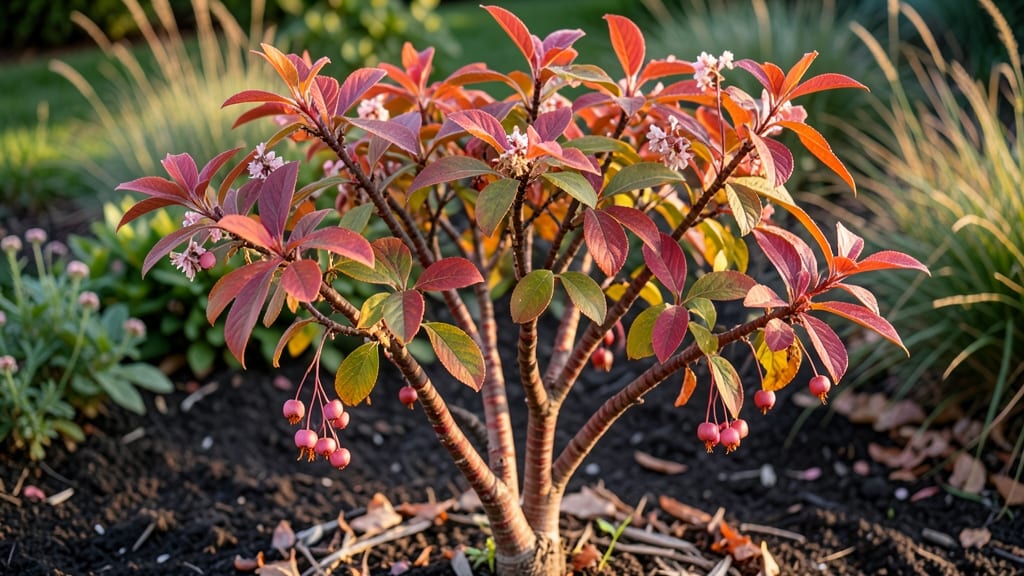
Cold-hardy burning bush shrub care transforms your shrub into a year-round showstopper—vibrant foliage in fall, sturdy structure in winter, and fresh growth in spring. 🌿 I’ve pruned these shrubs for over a decade, and the secret isn’t just timing but how you shape them to avoid disease and encourage that signature red glow.
The key is late winter or early spring, when the plant is dormant but about to wake up. You’ll need sharp pruners, gloves, and a clear vision for your shrub’s shape—whether that’s a natural, rounded form or a more formal hedge.
Most people over-prune, which weakens the plant, so we’re aiming for 25-30% of the previous year’s growth at most.
By summer, you’ll see new green shoots pushing through, and by fall, those branches will burst into fiery red. The foliage stays healthy longer, the structure remains strong through winter, and you avoid the common mistake of pruning too late, which can stunt next year’s color.
Works for both landscaping hedges and standalone shrubs. Let’s get those branches looking sharp!
📚 In This Guide
- What you need
- Instructions
- Tips and common mistakes
- Wrapping up and next steps
What you need
- ● Pruning shears or loppers: Sharp, bypass-style shears (for small branches) or loppers (for thicker stems up to 2 inches in diameter). Disinfect blades with rubbing alcohol or bleach solution between cuts to prevent disease.
- ● Gloves: Heavy-duty, gardening gloves (waterproof preferred) to protect against thorns and sap.
- ○ Pruning saw: Optional but helpful for branches thicker than 2 inches.
- ● Mulch: 2–3 inches of organic mulch (shredded bark or wood chips) to retain moisture and regulate soil temperature.
- ● Fertilizer: Balanced, slow-release fertilizer (10-10-10 or similar) or compost for organic enrichment.
- ● Safety glasses: Protect your eyes from debris, especially when using a pruning saw.
- ● Ladder or step stool: Adjustable height (4–6 feet) for reaching taller branches safely.
- ● Trash bags or bucket: For collecting pruned branches and debris.
- ● Hose or watering can: To clean tools and hydrate the shrub post-pruning.
- ● Timing: Prune late winter or early spring (before new growth starts) for best results.
- ● Weather: Choose a dry, overcast day to avoid stressing the shrub.
- ● Shrub health check: Inspect for diseased or dead branches before pruning.
Step-by-step guide to pruning your burning bush for vibrant growth
Here's how I keep my burning bushes thriving through every season with minimal effort.
✂️ Step 1: Prune Immediately After Spring Color Fades
Wait until late spring, after the brilliant red foliage fades to green. This timing ensures you don't cut off next year's color display. I always prune in April or early May when new growth begins but before the plant sets buds for summer.
Use clean, sharp pruners to make cuts just above a leaf node or bud. Remove up to one-third of the oldest wood to encourage fresh growth. I focus on the inner branches first—they often get leggy and crowded. Never remove more than 30% of the plant in one season, or you risk stressing it.
🌿 Step 2: Shape the Shrub for Airflow and Sunlight
Step back and examine the bush's overall shape. Burning bushes naturally grow in a rounded form, so I aim to maintain that silhouette. Remove any crossing branches or stems growing inward—they block light and air, creating perfect conditions for fungal diseases.
Thin out the center by cutting back the oldest stems to the ground. This forces new growth from the base, creating a fuller, more vibrant plant. I like to leave the outer branches intact—they provide the best color display. Watch for new shoots emerging within 4-6 weeks—that's your sign the pruning worked.
☀️ Step 3: Lightly Trim in Late Summer for Fall Color
In August or early September, give your bush a light trim to encourage fresh growth that will turn brilliant red in fall. Remove only the tips of the longest branches—about 6-8 inches—to promote bushier growth. Avoid heavy pruning now, as it can reduce fall color intensity.
I focus on the outer edges to maintain a neat shape. You'll see new growth emerging within 2-3 weeks—this is what will produce the vibrant fall foliage. If you notice any dead or diseased branches, remove them immediately to keep the plant healthy.
⏰ Step 4: Minimal Winter Pruning for Spring Prep
Winter is the only time I do zero pruning—burning bushes are cold-hardy, and their dormant state protects them. However, in late winter (just before buds swell), I remove any dead, broken, or crossing branches. This keeps the plant tidy without disturbing its natural growth cycle.
I also check for any branches that have died back to the ground—simply cut them off at the base. The plant will send up new shoots from the roots, creating a fuller appearance. By early spring, you'll see fresh green growth starting, signaling it's ready for its next round of vibrant color.
Tips & tricks for perfect burning bush shrub care
Here's what nobody tells you about keeping your burning bush looking its absolute best—without the guesswork.
The Timing Secret: I can't stress this enough—wait until the foliage turns completely green after spring blooms before pruning. That brilliant red color? It's next year's growth hiding in those buds. I've made the mistake of pruning too early, and you end up with a bush that looks like it's missing its signature showstopper color. Mark your calendar for late April or early May, when you see fresh green leaves starting to emerge.
Tool Prep Matters: Before you even touch a branch, clean and sharpen your pruners. Dull blades tear stems instead of making clean cuts, which stresses the plant and invites disease. I like to wipe down my pruners with rubbing alcohol between bushes to prevent spreading any potential pathogens. And here's a pro move: Sterilize your tools with a 10-second flame (hold them over a gas burner) if you're switching between plants—this kills bacteria and fungi that could harm your burning bush.
Shape Strategy: When you're shaping in Step 2, think of your burning bush like a rounded cloud—not a box. The goal is to create an open center that lets sunlight reach all the way to the middle branches. I like to visualize removing branches that would block light from the center. This isn't just about looks—proper airflow prevents fungal diseases that can turn your vibrant bush into a sad, brown mess. And remember, those outer branches? Leave them alone—they're the ones that'll give you that stunning fall color.
Fall Color Boost: That light summer trim in August or September isn't just about shaping—it's about giving your bush a little nudge to produce more vibrant fall foliage. When you're cutting those 6-8 inch tips, you're encouraging the plant to put energy into new growth that'll turn brilliant red. I've noticed that bushes I trim lightly in late summer consistently outperform those I skip this step with. And here's a bonus: if you notice any branches that have died back completely, cut them all the way to the ground—the plant will send up fresh shoots from the roots, creating a fuller bush next spring.
Pro Tips for Burning Bush Shrub Care
- Here's what nobody tells you about keeping your burning bush looking its absolute best—without the guesswork.
- The Timing Secret: I can't stress this enough—wait until the foliage turns completely green after spring blooms befor...
- Tool Prep Matters: Before you even touch a branch, clean and sharpen your pruners. Dull blades tear stems instead of ...
Frequently asked questions
Got questions about keeping your burning bush shrub thriving?
Here are some common ones—and their answers—to help you care for this stunning, cold-hardy plant with confidence.
When is the best time to prune a burning bush?
Prune your burning bush immediately after flowering (late summer or early fall) to encourage vibrant blooms next season. Avoid heavy pruning in late fall or winter, as it can stress the plant before dormancy. Light shaping in early spring is fine, but avoid cutting back into old wood—this removes next year’s flower buds!
How much can I trim back a mature burning bush?
For mature shrubs, never remove more than one-third of the plant’s growth in a single season. Over-pruning can weaken the shrub and reduce flowering. If your burning bush looks leggy, focus on thinning out crowded branches instead. Pro tip: Use sharp bypass pruners for clean cuts!
Why are the leaves on my burning bush turning brown or yellow?
Brown or yellow leaves can signal overwatering, underwatering, or fungal issues. Check soil moisture—burning bushes prefer well-draining soil and tolerate drought once established. If fungal spots appear, prune affected areas and apply fungicide. Note: Fall color changes are normal—don’t panic if leaves shift to fiery reds and oranges!
Is burning bush truly cold-hardy? How do I protect it in winter?
Yes! Burning bushes (Euonymus alatus) thrive in USDA Zones 4-8 and handle winter well. Mulch the base with 2–3 inches of organic mulch to insulate roots. Young plants may benefit from a burlap wrap if your winters are harsh, but mature shrubs rarely need extra protection.
Can I grow a burning bush in a container? What’s the best alternative if I don’t have garden space?
Burning bushes can grow in containers, but they need large pots (at least 24 inches wide) and well-draining soil. For smaller spaces, consider dwarf varieties like ‘Compactus’ or alternatives like wintercreeper (Euonymus fortunei), which offer similar color but stay smaller. Just ensure your container gets full sun!
Wrapping up and next steps
Caring for your burning bush shrub is all about embracing its natural resilience while giving it the right love—and you’ve got this! 🌿 With the right pruning techniques, soil prep, and seasonal attention, your shrub will reward you with stunning fall colors and year-round vibrancy.
Remember: patience and consistency are key, so don’t rush the process.
Ready to transform your landscape? Grab your pruners, mark your calendar for late winter or early spring, and start with one small step—watch a quick pruning tutorial or visit your local nursery for expert advice. Your future fiery foliage awaits! ✨