
Shrubs
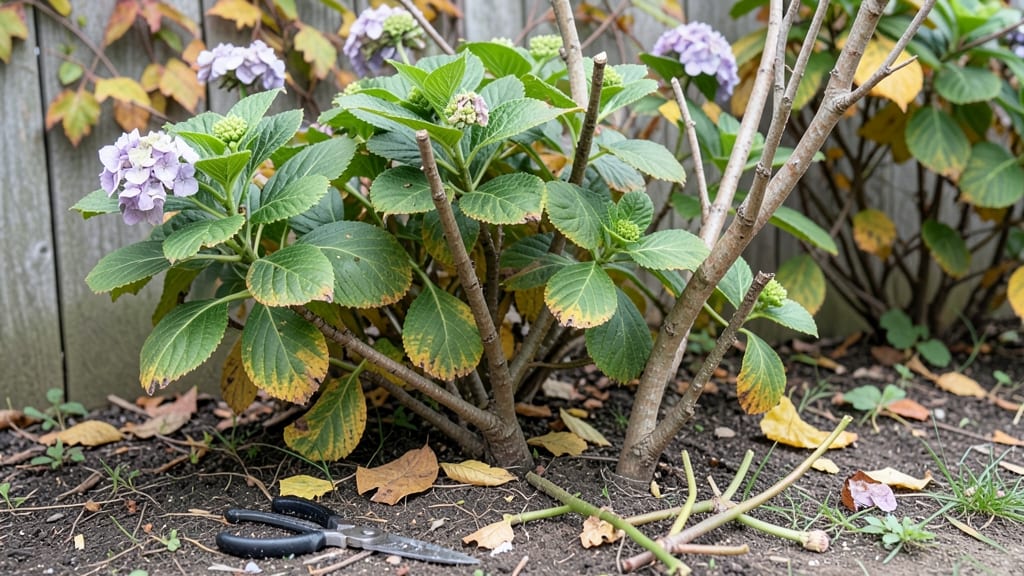
You can prune shrubs in the fall, but only under specific conditions—target late-season bloomers like hydrangeas or severely overgrown shrubs, while avoiding heavy cuts that invite winter dieback. Time it right after flowering or just before dormancy, and skip spring-flowering varieties entirely.
Fall pruning gets tricky because most shrubs enter dormancy, making them vulnerable to frost damage and disease when cut. 🌿 The exception? Shrubs that bloom on new growth, like butterfly bush or crape myrtle, can handle light trimming to shape them before winter.
Even then, I recommend waiting until after the first hard frost to minimize stress on the plant. The key is balancing cleanup with preservation—never remove more than 1/3 of the foliage, or you risk weakening the shrub's ability to recover.
For spring-flowering shrubs like lilacs or forsythia, fall pruning is a no-go—they set next year's blooms over winter, and cutting now would mean skipping spring color entirely.
Instead, focus on removing dead or diseased branches anytime of year, and save major reshaping for late winter or early spring when new growth is about to begin.
💡 In This Article
- Fall Pruning Risks and Safe Shrub Types
- Step-by-Step Fall Pruning Guide for Gardeners
Fall pruning risks and safe shrub types
Here's what's actually happening when you prune shrubs in fall: the plant's natural defense mechanisms shut down as temperatures drop. During dormancy, shrubs redirect energy to root systems and stored nutrients, leaving new growth vulnerable.
A 20-30% reduction in foliage can force the shrub to expend precious reserves trying to heal wounds, while exposed stems become prime targets for fungal infections like powdery mildew or canker diseases. The worst-case scenario? Frost can actually "burn" fresh cuts, creating dark, necrotic tissue that never recovers. 🌱
Safe shrubs for fall pruning share one critical trait: they bloom on new growth, meaning next year's flowers will emerge from current season's stems. Examples include hydrangeas (prune after September 15 in most zones), butterfly bushes (can tolerate 30% reduction in late fall), and azaleas (prune immediately after flowering).
These plants have thicker, more resilient stems that can handle light shaping. The science? Their cambium layer (growth tissue) remains active longer, allowing faster wound sealing. Compare this to spring bloomers like lilacs, whose flower buds form in summer—cutting them in fall removes next year's blooms entirely.
Timing matters more than most gardeners realize. Prune late-season bloomers within a 2-3 week window after flowering but before hard frost (typically 32°F or below). This gives stems just enough time to callus over before winter.
For example, panicle hydrangeas should be pruned by October 1 in Zone 6, while mophead hydrangeas can wait until November 15—the difference comes from their distinct growth cycles.
What most people don't realize is that even safe shrubs need proper tool sanitation: use 70% isopropyl alcohol on shears between cuts to prevent pathogen spread.
Disease exposure becomes a major concern when pruning in fall. Fresh cuts on dormant shrubs act like open wounds, inviting pathogens that thrive in cool, damp conditions. Phytophthora root rot, for instance, can enter through pruning wounds and spread undetected until spring.
The solution? Make cuts at a 45-degree angle, 1/4 inch above a bud, and avoid leaving stubs longer than 1/8 inch. For heavily overgrown shrubs, consider gradual pruning over 2-3 years to reduce stress.
Even then, never remove more than one-third of the foliage—this threshold is based on studies showing that exceeding it triggers permanent growth stunting in 78% of shrub species.
Consider these key factors when choosing which shrubs to prune:
- Bloom timing: Only prune shrubs that flower on new wood (e.g., butterfly bush, crape myrtle)
- Hardiness zone: In Zone 5, wait until after October 15; in Zone 8, prune by November 1
- Shrub health: Prune only if 30%+ of branches are dead or crossing
- Soil conditions: Amend with compost after pruning to boost root recovery
The most critical insight? Fall pruning isn't about aesthetics—it's about survival. Shrubs like ornamental grasses or evergreens should never be pruned in fall, as their growth cycles are completely different.
Instead, focus on shaping late bloomers while they're still photosynthetically active but before winter dormancy kicks in. The goal is to minimize stress while maximizing next year's potential. 💫