
Shrubs
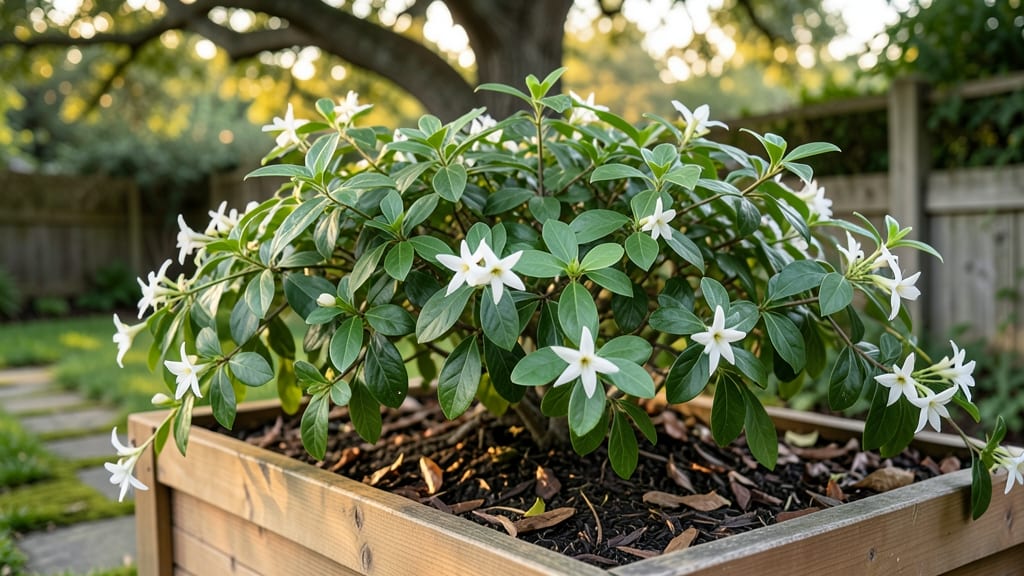
Cultivating a cape jasmine shrub transforms any space into a fragrant sanctuary—no thorns, just sweet blooms and lush foliage. 🌿 I’ve grown mine for years, and the secret to its effortless beauty lies in three simple pruning steps that keep it thriving without the fuss.
Start with well-draining soil and morning sun—this shrub hates soggy roots but craves warmth. In zones 8-11, it thrives outdoors year-round, while cooler climates need winter protection. Water deeply once a week, but let the top inch dry between soakings to prevent root rot.
The magic happens in late winter or early spring: trim back overgrown branches to shape the shrub, then snip any leggy stems to encourage bushier growth. Fertilize lightly in spring with a balanced formula—cape jasmine rewards patience with glossy leaves and clusters of intoxicating white flowers by summer.
Indoor growers can coax this tropical beauty with bright indirect light and occasional misting. Just be patient—it’s slow to establish but rewards you with years of fragrant blooms and minimal maintenance.
📚 In This Guide
- What you need
- Instructions
- Tips and common mistakes
- Wrapping up and next steps
What you need
- ● Cape Jasmine shrub (Trachelospermum jasminoides) – 1 healthy nursery-grown plant (3–5 feet tall, depending on maturity).
- ○ Well-draining potting soil or garden soil mix – 5+ gallons (adjust based on pot size). Optional: Amend with compost for richer nutrients.
- ● Pruning shears or hedge clippers – Sharp, sterilized tools (bypass pruners work best for clean cuts).
- ● Gloves – Heavy-duty gardening gloves to protect from thorns (though Cape Jasmine is thorn-free, some varieties may have mild prickles!).
- ● Watering can or hose with a gentle spray nozzle – For post-planting hydration.
- ○ Mulch (optional but recommended) – 2–3 inches of organic mulch (e.g., wood chips or shredded bark) to retain moisture and suppress weeds.
- ● Slow-release fertilizer – Balanced 10-10-10 or organic options like fish emulsion for a nutrient boost.
- ● Staking or support ties – If planting in windy areas or training as a small tree.
- ● Pruning sealant – For large cuts (though Cape Jasmine heals well without it).
- ● Garden twine or plant tags – To label varieties or secure young stems.
Step-by-Step guide to pruning your Cape Jasmine shrub
Here’s how to keep your fragrant, thorn-free Cape Jasmine lush and flowering beautifully—no green thumb required.
✂️ Step 1: Prune After Spring Blooms to Encourage New Growth
Wait until 2-3 weeks after flowering finishes—this is when the plant has stored enough energy for fresh growth. Grab your clean, sharp pruners and start by removing any dead, diseased, or crossing branches first. These are easy to spot: they’re brown, brittle, or rubbing against other stems.
Next, cut back last year’s growth by about one-third to encourage bushier, more fragrant blooms. Focus on shaping the shrub by trimming just outside a leaf node (the bump where leaves attach). This ensures new growth emerges in the right spot. Avoid heavy pruning in fall—you’ll sacrifice next year’s flowers.
✂️ Step 2: Thin Out Overcrowded Branches for Better Airflow
Cape Jasmine thrives when it gets plenty of airflow, so thin out any branches growing inward or rubbing against others. Look for thin, leggy stems—these are often weak and won’t contribute much to the plant’s structure. Cut these back to the main stem or a strong side branch.
Real talk: Don’t overdo it. You’re aiming for an open, vase-like shape, not a bare skeleton. Leave enough foliage to keep the shrub lush, but remove anything blocking sunlight from reaching the center. This prevents fungal issues and keeps those signature jasmine fragrances strong.
🌿 Step 3: Lightly Shape in Late Summer for Fall Blooms
About 6-8 weeks before your first frost, give your Cape Jasmine a light trim to shape it for late-season blooms. Focus on softening the edges and removing any straggly growth. Cut just above a leaf node again—this encourages new shoots that can still flower before winter.
Here’s the thing—Cape Jasmine flowers on new wood, so pruning too late in the season can reduce next year’s blooms. If you see any weak or damaged growth after summer storms, remove it immediately. Just avoid heavy pruning now—save the major cuts for spring.
⏰ Step 4: Clean Up and Protect for Winter (Optional but Helpful)
After your final pruning, remove all clippings from the area to prevent pests or diseases from overwintering. If your climate dips below 20°F, consider wrapping the base of young shrubs with burlap or mulching heavily with 3-4 inches of organic mulch (like shredded bark). This protects the roots from freezing.
Skip fertilizing now—your Cape Jasmine is resting. Wait until early spring to feed with a balanced, slow-release fertilizer (like 10-10-10) to kickstart new growth. You’ll know you’ve done it right when you see fresh, vibrant leaves pushing through in spring.
Tips & tricks for perfect Cape Jasmine shrub care
Transforming your Cape Jasmine into a fragrant, thorn-free beauty takes just a few smart tricks—here's how to avoid common pitfalls and maximize those signature blooms.
Timing is Everything: The 2-3 week waiting period after spring blooms might feel long, but it's crucial for the plant's energy reserves. I learned this the hard way after pruning too early and getting sparse blooms—wait until you see the last flowers fade completely before cutting. This ensures your shrub has stored enough energy for vigorous new growth that will reward you with abundant fragrance.
Pruning Precision: When shaping in Step 1, always cut just outside the leaf node—this tiny bump where leaves attach is where new growth will emerge. I've seen people cut too close to the stem, which can leave ugly stubs and prevent new shoots. Use clean, sharp pruners and make cuts at a 45-degree angle to help water run off and prevent rot.
Seasonal Strategy: The late summer trim (6-8 weeks before frost) is your chance to encourage fall blooms, but don't overdo it. Focus on softening edges and removing only the most straggly growth. Cape Jasmine flowers on new wood, so heavy pruning now can reduce next year's blooms. I like to think of this as a light "haircut" rather than a major makeover.
Winter Protection: If your area dips below 20°F, young shrubs need extra care. I've seen Cape Jasmine roots freeze without proper protection, so don't skip the mulch or burlap wrap. The 3-4 inches of organic mulch acts like a cozy blanket for the roots, while burlap creates a windbreak. This simple step can mean the difference between a thriving shrub and one that struggles to recover in spring.
Pro Tips for Cape Jasmine Shrub
- Transforming your Cape Jasmine into a fragrant, thorn-free beauty takes just a few smart tricks—here's how to avoid c...
- Timing is Everything: The 2-3 week waiting period after spring blooms might feel long, but it's crucial for the plant...
- Pruning Precision: When shaping in Step 1, always cut just outside the leaf node—this tiny bump where leaves attach i...
Frequently asked questions
Got questions about your Cape jasmine shrub? You’re not alone!
Here are the most common queries—plus quick, practical answers to keep your fragrant beauty thriving.
How fast does a Cape jasmine shrub grow?
Cape jasmine grows moderately fast—expect 12 to 24 inches per year under ideal conditions (full sun, well-drained soil). With proper care, it can reach 6 to 10 feet tall and wide within 3–5 years. Pro tip: Prune annually to manage size and encourage bushier growth!
When is the best time to prune a Cape jasmine?
The ideal window is late winter or early spring (just before new growth starts), but you can also prune lightly after flowering to shape it. Avoid heavy cuts in fall—it blooms on new wood, so pruning too late may reduce next year’s flowers. Bonus: Deadhead spent blooms to prolong flowering!
Does Cape jasmine need full sun to thrive?
While it prefers full sun (6+ hours daily), Cape jasmine tolerates partial shade (4–6 hours). In shadier spots, expect fewer flowers and slower growth. For maximum fragrance and blooms, prioritize sun—especially in cooler climates. Watch for: Yellowing leaves = possible underwatering or shade stress.
Are Cape jasmine shrubs deer-resistant?
Not entirely! While deer rarely browse Cape jasmine (thanks to its milky sap), they may nibble in severe drought or overpopulation. To deter them, plant near deer-resistant companions (like lavender or boxwood) or use repellents. Fun fact: The strong scent alone often keeps critters away!
What can I plant near Cape jasmine for a fragrant garden?
Pair it with complementary fragrant shrubs like gardenia, mock orange, or rosemary for a sensory garden. Avoid aggressive roots (e.g., bamboo) or competitive feeders (e.g., hydrangeas). Top picks: Dwarf gardenias (for shade tolerance) or salvia (for pollinator appeal). Design tip: Group with white or pale blooms to highlight its creamy flowers!
Wrapping up and next steps
Transforming your outdoor space with a fragrant, low-maintenance Cape jasmine shrub is simpler than you think!
With just three easy pruning steps—timing, shaping, and reviving—you’ll enjoy its thorn-free beauty and intoxicating blooms year after year. 🌿✨ Whether you’re a seasoned gardener or just starting, this shrub is your ticket to effortless elegance and natural charm.
Ready to elevate your garden? Grab your tools and start pruning today! Your Cape jasmine will thank you with lush growth and a sky-high scent that turns every walk into a sensory delight.