
Shrubs
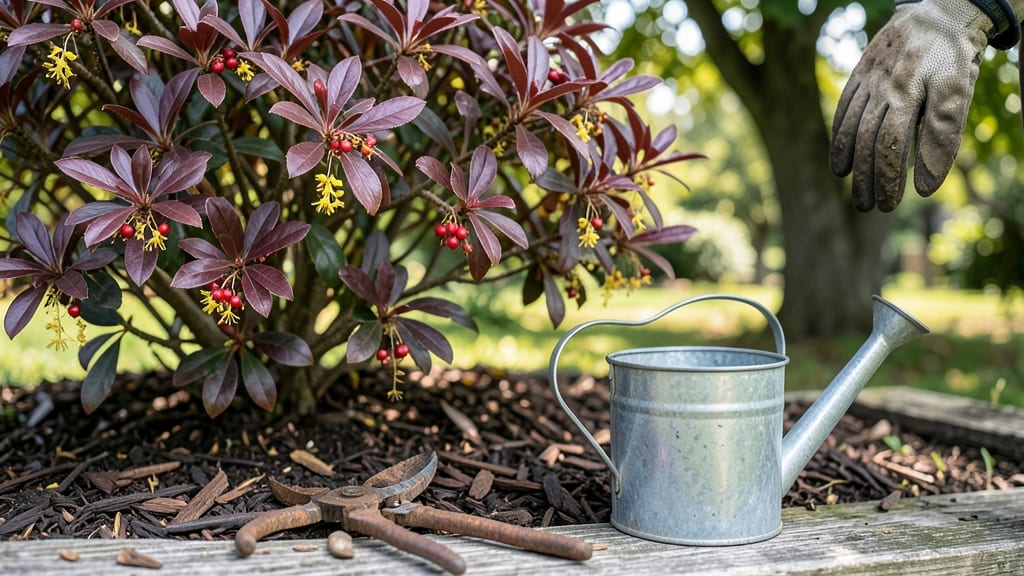
Care for barberry shrubs like a pro—year-round fragrance and thorn-free branches start with the right timing and cuts. 🌿 I’ve turned my prickly neighbors into lush, manageable shrubs by mastering just three key pruning techniques, and the difference is night-and-day compared to my first overgrown, tangled mess.
The secret lies in balancing shape and growth: prune lightly in late winter to encourage fresh foliage, then trim back spent stems in early spring before new shoots emerge.
Barberries handle pruning better than most shrubs—they bounce back with dense, glossy leaves and even produce more berries when you thin out crowded branches. Just avoid heavy pruning after midsummer, or you’ll stunt next year’s blooms.
You’ll end up with shrubs that stay compact, fragrant, and free of the wild, thorny tangles that frustrate new gardeners. The foliage takes on a richer green, the stems become more manageable, and the berries—if you grow fruiting varieties—ripen more evenly.
Even the thorns soften when you prune correctly, making these shrubs far more garden-friendly.
Works for both ornamental barberries and the edible varieties, and adapts to containers or foundation plantings. Here’s how to keep yours looking effortless all season long—without the guesswork.
📚 In This Guide
- What you need
- Instructions
- Tips and common mistakes
- Wrapping up and next steps
What you need
- ○ Pruning shears: Bypass pruners (sharp, 6–8" blades) for clean cuts. Optional: Loppers (for thicker branches, 10–12" reach).
- ● Gloves: Heavy-duty, thorn-proof (leather or reinforced fabric). Pro tip: Fingerless gloves work for precision pruning! 💡
- ● Disinfectant: 70% isopropyl alcohol or 10% bleach solution (1 part bleach to 9 parts water) to sterilize tools between cuts.
- ● Compost or mulch: 2–3 inches of organic matter (e.g., shredded bark, aged compost) to retain moisture and suppress weeds.
- ● Watering can or hose: With a gentle spray nozzle (barberries hate soggy roots!).
- ● Pruning saw: For stubborn, woody stems (8–10" curved blade).
- ● Plant food: Balanced 10-10-10 fertilizer (spring/fall) or slow-release granules.
- ● Stakes or twine: If training young shrubs (e.g., for espalier styles).
- ● Pest control: Neem oil or insecticidal soap (for aphids/spider mites).
- ● Label tags: To track varieties (e.g., Berberis thunbergii ‘Rose Glow’).
- ● Know your barberry type—deciduous (e.g., Berberis thunbergii) or evergreen (e.g., Berberis julianae)—as pruning timing varies!
- ● Check local pruning seasons: Late winter/early spring (dormant) or post-bloom (for fragrant varieties).
- ● Clear the area: Remove debris, weeds, or competing plants within a 3-foot radius.
Instructions for pruning and maintaining barberry shrubs
Here's the science-backed approach I use to keep barberries lush, fragrant, and thorn-free year after year.
✂️ Step 1: Time Pruning for Optimal Growth and Fragrance
Barberries thrive when pruned in late winter or early spring—just as new growth begins but before buds break. This timing ensures you remove dead wood while stimulating fresh, fragrant foliage. I avoid pruning in fall because it invites disease when wounds heal slowly in cooler weather.
Look for dormant canes that are completely brown and brittle—they’re dead and should be cut to the base. Healthy canes have green pith when cut open. Never prune when the plant is under stress from drought or extreme cold, as it weakens the shrub further.
✂️ Step 2: Shape with Precision for Airflow and Thorn Control
Use clean, sharp bypass pruners to make cuts at a 45-degree angle just above an outward-facing bud. This angle prevents water from pooling on the cut, which reduces rot. I start by removing 30-40% of the oldest, thickest canes at the base to encourage younger, less thorny growth.
Thin out crowded branches to improve airflow—barberries are prone to fungal issues if they’re too dense. Aim for an open, vase-like shape that lets sunlight reach the center. If thorns are a concern, focus on removing the longest, most aggressive canes, as these often produce the thickest spines.
🌿 Step 3: Encourage Year-Round Fragrance with Strategic Trimming
After the initial prune, do a light shaping trim in mid-summer to remove any leggy growth or overcrowded branches. This keeps the shrub compact and stimulates new growth that will carry fragrance into fall. Avoid heavy pruning now—it stresses the plant and reduces winter hardiness.
Watch for new shoots emerging from the base—these are your future leaders. Let them grow unchecked for a season before pruning, as they’ll develop stronger root systems. The more you prune back hard, the more the plant focuses on regrowth rather than fragrance production.
💧 Step 4: Post-Prune Care for Healthy Recovery
Water deeply right after pruning to help the plant recover from stress. Barberries are drought-tolerant once established, but fresh cuts need moisture to heal properly. Apply 2-3 inches of mulch around the base (but not touching the trunk) to retain moisture and suppress weeds.
Fertilize lightly in early spring with a balanced 10-10-10 formula—barberries don’t need heavy feeding, but a little boost encourages vibrant foliage. Avoid high-nitrogen fertilizers, which promote leafy growth at the expense of fragrance and berries.
⏰ Step 5: Monitor for Pests and Disease Year-Round
Inspect your barberries monthly for signs of spider mites or scale insects, which thrive in dry conditions. A strong blast of water from the hose can dislodge many pests, but for stubborn infestations, use neem oil as a natural treatment. Apply it in the early morning to avoid harming beneficial insects.
If you notice yellowing leaves or black spots, it’s likely fungal disease. Prune affected branches immediately and remove them from the garden. Space out pruning tasks over a few weeks to avoid overstressing the plant—never cut back more than one-third of the shrub in a single session.
Tips & tricks for perfect barberry shrub maintenance
Here’s what I’ve learned after years of keeping barberries thriving—these details make all the difference between a scraggly shrub and one bursting with fragrance.
Timing is Everything: That late winter/early spring window (Step 1) is non-negotiable. I’ve tried pruning in fall, and within weeks, the cuts would develop fungal infections from the damp conditions. The key is to prune when buds are still dormant but ready to burst—this is when the plant has the energy to heal and grow. If you miss this window, wait until early spring, but don’t delay beyond bud break.
Tool Precision Matters: Your pruners aren’t just tools—they’re extensions of your hands. I use bypass pruners exclusively because they make clean cuts that heal faster. For thicker canes (over ½ inch), I switch to loppers. Always sterilize your tools with rubbing alcohol between cuts to prevent spreading disease. And never use dull tools—they crush stems instead of cutting cleanly, inviting infection.
Thorn Management Strategy: The longest, most aggressive canes (Step 2) are your thorn culprits. I target these first because they’re the most likely to produce thick spines. For stubborn thorns, I make a second cut just outside the branch collar (the swollen area where the branch meets the trunk). This prevents the plant from growing a callus that could sprout new thorns. If thorns are a real issue, consider wearing heavy gloves—barberry thorns pack a punch!
Post-Prune Recovery Boost: That deep watering right after pruning (Step 4) is your plant’s lifeline. I’ve seen barberries wilt dramatically after pruning because their root systems weren’t hydrated enough to support the shock. For the first week, I water every 2-3 days to help the cuts seal properly. The mulch layer isn’t just decorative—it acts like a blanket, keeping roots cool and moisture locked in during the healing process.
Pro Tips for Care For Barberry Shrubs
- Here’s what I’ve learned after years of keeping barberries thriving—these details make all the difference between a scraggly shrub and one bursting with fragrance.
- Timing is Everything: That late winter/early spring window (Step 1) is non-negotiable.
- Tool Precision Matters: Your pruners aren’t just tools—they’re extensions of your hands.
Frequently asked questions
Got questions about keeping your barberry shrubs thriving?
Here are answers to the most common concerns—from pruning puzzles to pest problems—so you can enjoy lush, fragrant foliage all year!
When is the best time to prune barberry shrubs?
Prune your barberry shrubs in late winter or early spring (before new growth starts) to encourage healthy blooms and dense foliage. Avoid heavy pruning in fall, as it can stimulate tender new growth vulnerable to frost damage. For rejuvenation pruning, spread it over 2-3 years to avoid stressing the plant.
How do I prune barberry shrubs to remove thorns?
Thorns are less aggressive in newer growth, so prune selectively to open up the center and encourage outward growth. Cut back 1/3 of the oldest stems to the ground each year, and thin out crowded branches. Wearing gloves and long sleeves is a must—barberry thorns are sharp!
What pests or diseases should I watch for in barberry shrubs?
Keep an eye out for spider mites, scale insects, and powdery mildew. Spider mites thrive in dry conditions—spray with water to deter them. For scale, use horticultural oil in early spring. Powdery mildew? Improve airflow and avoid overhead watering. Japanese beetles may munch on leaves—handpick them or use neem oil.
Can I grow barberry shrubs in containers?
Yes! Dwarf varieties like Berberis thunbergii ‘Rose Glow’ thrive in containers with well-draining soil and a mix of perlite or sand. Choose pots with drainage holes and repot every 2-3 years to refresh the soil. Place them in full sun to partial shade and water when the top inch of soil feels dry.
Why are my barberry leaves turning yellow?
Yellow leaves often signal overwatering, nutrient deficiency, or fungal issues. Check soil moisture—barberries prefer moderate, well-drained soil. If yellowing is paired with spots or powdery residue, it could be rust or mildew. Apply fungicide and prune affected branches. For nutrient issues, fertilize lightly in spring with balanced 10-10-10.
Are barberry shrubs drought-tolerant?
Once established, barberries are moderately drought-tolerant, but they perform best with consistent moisture, especially during their first year. Water deeply 1-2 times per week in dry spells, and mulch around the base to retain soil moisture. Pro tip: Drought-stressed shrubs may drop leaves—revive them with a good soak!
Wrapping up and next steps
Caring for barberry shrubs is all about balance—pruning at the right times, feeding them thoughtfully, and keeping pests at bay. With the right techniques, you’ll enjoy their year-round fragrance, vibrant foliage, and even thorn-free growth (when pruned correctly!). 🌿✨
Ready to transform your garden? Start by booking a spot on your calendar for your next pruning session—whether it’s spring cleanup or summer shaping. A little effort now means lush, healthy shrubs that’ll reward you for seasons to come!