
Shrubs
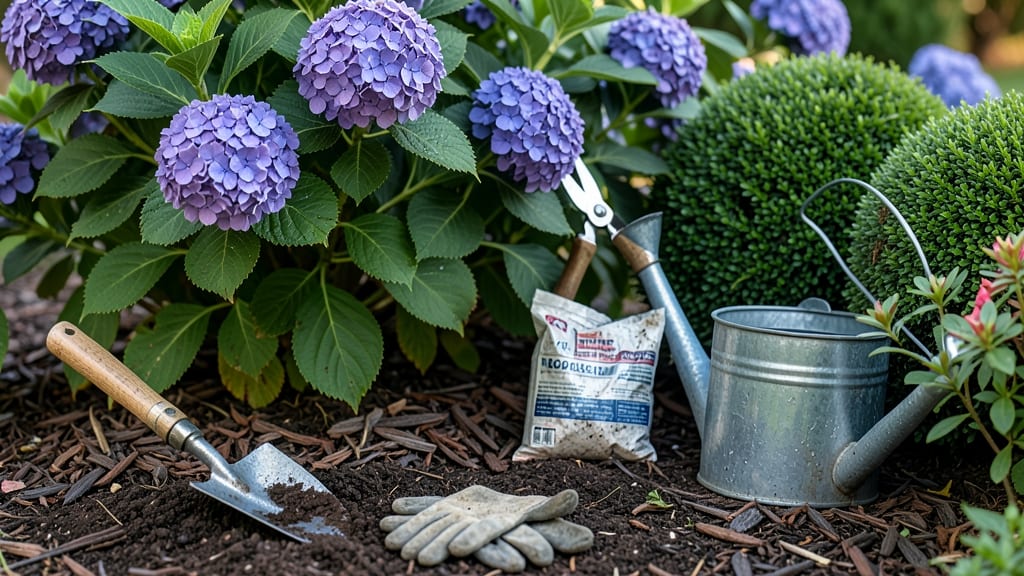
Caring for shrubs isn’t just about trimming—it’s about year-round health that keeps them lush and thriving. ✂️ I’ve learned the hard way that skipping proper pruning or ignoring seasonal needs turns vibrant bushes into sad, leggy shadows.
The secret lies in understanding when to cut, how much to water, and which fertilizers actually help (not hurt). Most people over-prune in spring, then neglect their shrubs the rest of the year. Boxwoods hate heavy pruning, hydrangeas bloom on old wood, and lavender needs sharp shears—not dull ones.
I’ll show you the exact timing and techniques that keep shrubs dense, flowering, and pest-free without guesswork. By summer’s end, your shrubs will look like they belong in a botanical garden, not your backyard.
The key is matching care to the plant’s natural rhythm—prune at the right time, feed when they’re hungry, and protect them from pests before they become a problem. Works for foundation plants, hedges, and flowering shrubs alike. Let’s get those bushes back in shape!
📚 In This Guide
- What you need
- Instructions
- Tips and common mistakes
- Wrapping up and next steps
What you need
- ● Pruning shears: Bypass pruners (for clean cuts) – 1 pair (look for ergonomic, stainless-steel blades for durability).
- ● Loppers: For thicker branches (up to 2 inches in diameter) – 1 pair (long-handled for leverage).
- ● Pruning saw: For larger stems (2+ inches) – 1 (bow or folding saw with sharp teeth).
- ● Garden gloves: Heavy-duty, cut-resistant (to protect hands from thorns/spikes) – 1 pair.
- ● Disinfectant: 70% isopropyl alcohol or bleach solution (1 part bleach to 9 parts water) – small spray bottle (to prevent disease spread).
- ○ Sharpie or label markers: For marking cuts (optional but helpful for tracking).
- ● Rake or leaf blower: For clearing debris post-pruning – 1.
- ● Hand pruners with a crimping tool: For sealing larger cuts (reduces sap loss).
- ● Knee pads or stool: For comfort during extended pruning sessions.
- ● Pruning sealant: (e.g., tree wound dressing) – small tube (use sparingly; modern science debates necessity).
- ● Garden twine or ties: For supporting newly pruned branches (if needed).
- ● Notebook & pen: To log pruning dates, notes on growth, or shrub varieties.
- ● Knowledge of your shrub types: Research whether your shrubs bloom on old wood (e.g., lilacs) or new wood (e.g., hydrangeas) to prune at the right time!
- ● Weather check: Prune on a dry, calm day to avoid spreading disease or damaging the plant.
- ● Safety first: Wear long sleeves/pants if your shrubs are thorny (e.g., roses, barberries).
Instructions: year-round shrub care using pruning science
Here's the science-backed approach I use to keep shrubs healthy, blooming, and looking their best through every season.
🌿 Step 1: Assess Growth Habits and Prune at the Right Time
First, identify whether your shrubs are spring bloomers (like lilacs or azaleas) or summer bloomers (like hydrangeas or abelia). Spring bloomers set buds in late summer, so prune immediately after flowering—never in early spring. Summer bloomers, on the other hand, can handle pruning in late winter or early spring because their buds form after the previous season's bloom.
I always start by removing any dead, diseased, or crossing branches first. Use clean, sharp pruners to make cuts at a 45-degree angle just above a leaf node or outward-facing bud. This ensures new growth emerges in the right direction and reduces the risk of disease entering the plant through jagged cuts.
✂️ Step 2: Shape and Thin for Airflow and Light
Next, focus on shaping the shrub to encourage dense, even growth. For rounded shrubs, I start at the bottom and work my way up, gradually reducing branch length by ⅓ at most—never more than that in a single season. This prevents shock and maintains the shrub's natural form.
Pay special attention to the center of the shrub, where branches often get crowded. Thin out 10-20% of the oldest, thickest branches to improve airflow and sunlight penetration. You'll know you've done it right when you can see light filtering through the center without too many gaps. This step is critical for preventing fungal diseases that thrive in dark, humid conditions.
☀️ Step 3: Feed and Mulch for Seasonal Support
After pruning, shrubs need a boost to recover and prepare for new growth. In early spring, I apply a balanced, slow-release fertilizer (like 10-10-10) around the drip line—about 2-3 inches away from the trunk. Water it in thoroughly to help the nutrients reach the roots. For organic options, compost or well-aged manure works just as well.
Next, spread a 2-3 inch layer of mulch over the root zone, keeping it 3-4 inches away from the trunk to prevent rot. I use shredded bark or pine straw because they break down slowly and improve soil structure over time. Mulching helps retain moisture, regulate soil temperature, and suppress weeds—all while protecting the roots from extreme temperature fluctuations.
💧 Step 4: Water Deeply and Monitor Seasonal Needs
Watering shrubs correctly is an art, not a science. The key is deep, infrequent watering that encourages strong root development. After pruning, water deeply—1-2 inches of water per week—until the soil is moist 6 inches down. Use a trowel to check; if the soil feels dry at that depth, it's time to water again.
Adjust your watering routine based on the season. In summer, you may need to water every 5-7 days, while in winter, most shrubs enter dormancy and require little to no watering. Watch for signs of stress, like wilting leaves or crispy edges, which usually mean the shrub needs more (or less) water. Overwatering is just as damaging as underwatering, so always let the top 1-2 inches of soil dry out between waterings.
⏰ Step 5: Protect and Prepare for Winter Dormancy
As temperatures drop, shrubs slow down their growth, but they still need care. In late fall, I give shrubs one last deep watering before the ground freezes to ensure they have enough moisture to survive winter. For young or tender shrubs, I wrap the base with burlap or frost cloth to protect them from harsh winds and freezing temperatures.
Remove any remaining flower stalks or dead foliage, but leave seed heads for winter interest and wildlife. Prune only if necessary—like removing broken branches—and avoid heavy pruning in late fall, as it can stimulate new growth that won’t survive the cold. In early spring, before buds swell, do a final check for any winter damage and plan your pruning schedule based on the shrub's blooming time.
Tips & tricks for perfect shrub care year-round
These simple strategies will help you keep your shrubs thriving through every season without the guesswork.
Timing is Everything: I can't stress enough how crucial it is to know your shrub's blooming habits. Spring bloomers like lilacs need pruning right after they finish flowering—never in early spring when buds are forming. For summer bloomers like hydrangeas, late winter or early spring is perfect. I mark my calendar with bloom times each year to avoid this common mistake. Remember, you're shaping next year's flowers when you prune today!
Pruning Precision: When making those 45-degree cuts in Step 1, aim just above a leaf node or outward-facing bud. This isn't just about looks—it directs where new growth will emerge. I always test my pruners first on a small branch to ensure they're sharp enough for clean cuts. Dull blades crush stems and invite disease. For thick branches, make a second cut slightly deeper to create a smooth shoulder that won't collect water.
Seasonal Feeding: That 2-3 inch layer of mulch in Step 3 isn't just for looks—it's a year-round protector. In summer, it keeps roots cool; in winter, it insulates against freezing. I always refresh mulch in early spring after pruning. Pro tip: Mix in a handful of compost with your fertilizer application to give roots an extra nutrient boost without overloading the plant.
Watering Wisdom: The 1-2 inches per week guideline works for most shrubs, but I've learned to adjust based on soil type. Sandy soil drains quickly, so you might need to water more frequently, while clay holds moisture longer. Always check that 6-inch depth
Pro Tips for Care For Shrubs
- These simple strategies will help you keep your shrubs thriving through every season without the guesswork.
- Timing is Everything: I can't stress enough how crucial it is to know your shrub's blooming habits.
- Pruning Precision: When making those 45-degree cuts in Step 1, aim just above a leaf node or outward-facing bud.
Frequently asked questions
Got questions about keeping your shrubs thriving year-round? You’re not alone!
Here are answers to the most common concerns—from pruning basics to seasonal tweaks—so you can care for your shrubs with confidence.
When is the best time to prune shrubs?
The ideal time depends on your shrub type! Flowering shrubs (like azaleas or lilacs) should be pruned right after blooming to avoid cutting off next year’s buds. Non-flowering shrubs (like boxwoods) can be pruned in late winter or early spring before new growth starts. Always avoid pruning in fall—it can stress plants before winter.
How much should I trim back my shrubs?
Never remove more than one-third of the shrub’s total growth in a single pruning session. For most shrubs, aim to shape lightly—focus on removing dead, diseased, or crossing branches first. Over-pruning weakens the plant and invites pests. Pro tip: Use hand pruners for small branches and loppers for thicker stems!
Why are my shrub leaves turning yellow or brown?
Yellowing leaves often signal overwatering or poor drainage, while brown edges can mean underwatering or sunburn. Check the soil moisture—it should feel damp but not soggy. If pests (like spider mites) are the culprit, neem oil or insecticidal soap can help. For fungal issues, prune affected areas and improve airflow around the shrub.
Do I need to protect shrubs in winter?
Most shrubs are hardy, but young, tender, or newly planted ones benefit from winter care. Mulch heavily (3–4 inches) around the base to insulate roots. For extreme cold, wrap burlap or frost cloth loosely around the shrub (avoid plastic—it traps moisture). Pro tip: Trim back late-season bloomers (like hydrangeas) after the first frost to protect dormant buds!
Can I replace pruning shears with scissors or hedge trimmers?
While scissors work for tiny stems (up to ¼ inch thick), they’re not ideal for larger branches—they can crush stems instead of making clean cuts. Hedge trimmers are great for even shearing (like boxwoods), but they’re too aggressive for most shrubs. Invest in bypass pruners for precision and anvil pruners for thicker branches—your shrubs (and sanity!) will thank you.
Wrapping up and next steps
Caring for your shrubs doesn’t have to be overwhelming—just a little consistency and knowledge go a long way! 🌿 With the right pruning techniques, seasonal adjustments, and a watchful eye, your shrubs will thrive year-round, rewarding you with lush, vibrant growth.
Now that you’re armed with the science behind shrub care, why not pick one shrub today and give it the attention it deserves?
Start small—whether it’s trimming a wayward branch or checking soil moisture—and soon, you’ll see the difference in your garden’s health. Happy gardening! 🌱