
Shrubs
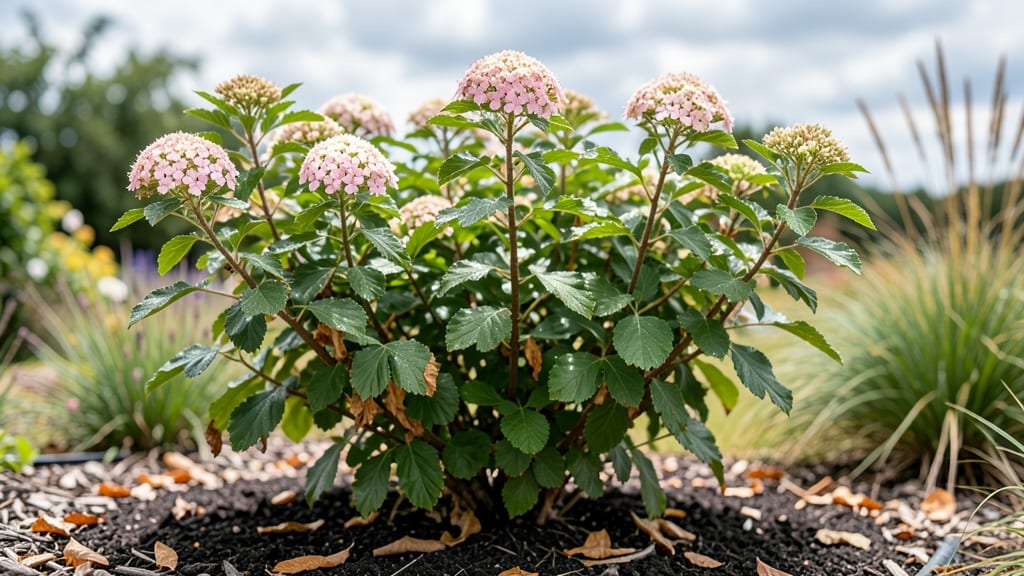
The care of ninebark shrub thrives with minimal fuss but demands one key move: pruning at the right time to keep those crimson blooms coming year after year. 🌿 I’ve learned the hard way—skipping the spring cleanup means leggy branches and fewer flowers by summer.
The secret lies in timing: prune in late winter or early spring before new growth starts, and you’ll encourage bushier, more vibrant shrubs.
These hardy plants love full sun but tolerate partial shade, making them perfect for almost any yard. Water deeply once established, but don’t drown them—ninebarks hate soggy roots. The thorns might make pruning feel like a challenge, but wearing gloves and working in stages keeps the process manageable (and pain-free).
By summer, you’ll see full, rounded shrubs bursting with blooms, their peeling bark adding texture even in winter. The best part? Ninebarks are low-maintenance once you master the pruning rhythm—no more struggling with overgrown, unruly branches.
Whether you’re shaping a privacy screen or adding color to your landscape, this pruning calendar keeps ninebarks looking their best with minimal effort. Let’s get those shears ready!
📚 In This Guide
- What you need
- Instructions
- Tips and common mistakes
- Wrapping up and next steps
What you need
- ○ Pruning shears: Sharp, bypass-style shears (1 pair) for clean cuts. Optional: Loppers (for thicker branches) or a pruning saw for stubborn growth.
- ● Gloves: Heavy-duty gardening gloves (1 pair) to protect your hands from thorns and debris.
- ● Fertilizer: Balanced granular fertilizer: 10-10-10 or 20-20-20 (apply in early spring and fall).
- ○ Slow-release organic fertilizer: Optional (e.g., compost or worm castings for nutrient-rich soil).
- ● Mulch: Organic mulch (e.g., shredded bark or pine straw, 2-3 inches deep) to retain moisture and suppress weeds.
- ● Watering can or hose: With a spray nozzle for gentle, deep watering (especially during drought periods).
- ○ Pruning sealant: Optional (for large cuts to prevent disease).
- ● Sunlight: Full sun to partial shade (6+ hours of sunlight daily for optimal blooms).
- ● Well-draining soil: Ninebark tolerates clay, loam, or sandy soil, but amend with compost if soil is poor.
- ● pH level: Slightly acidic to neutral (6.0–7.0). Test soil with a pH kit if unsure.
- ● Patience: Ninebark grows 3–5 feet tall and wide—give it space to flourish!
Instructions for ninebark shrub care: year-round pruning for vibrant growth
Here's the simple, seasonal pruning routine that keeps your ninebark thriving with lush foliage and those stunning crimson blooms.
✂️ Step 1: Spring Cleanup (March-April)
Start by removing any dead, damaged, or crossing branches first—these compete with healthy growth. I always use clean, sharp pruners to make clean cuts just above a leaf node or outward-facing bud. This prevents disease and encourages new growth in the right direction.
Next, trim back any overgrown stems by about one-third to maintain the shrub's natural shape. Ninebark blooms on old wood, so avoid heavy pruning now—just tidy up. You'll see fresh green shoots emerging within 2-3 weeks as the plant responds to this early spring stimulus.
☀️ Step 2: Summer Maintenance (June-August)
During the growing season, focus on shaping rather than heavy pruning. Remove any suckers or shoots growing at the base of the plant—they drain energy from your main shrub. I like to do this in early summer when the plant is actively growing but before the heat peaks.
Watch for any branches that look leggy or overcrowded. Trim these back by 10-15% to improve airflow and sunlight penetration. The goal is to keep the plant full and compact. You'll notice the foliage thickens noticeably after a couple of these light prunings.
🌿 Step 3: Fall Preparation (October-November)
Late fall is the perfect time for a more thorough pruning session. Remove any dead, diseased, or weak stems completely. I also cut back about one-third of the oldest stems to encourage new growth from the base next spring. This rejuvenation pruning keeps your ninebark looking youthful.
Shape the shrub lightly to prepare for winter. Avoid heavy pruning now—you want the plant to enter dormancy with enough foliage to protect the stems. A light trim now prevents shock and gives you a cleaner plant come spring.
⏰ Step 4: Winter Inspection (December-February)
Use winter's dormant season to assess your ninebark's structure. Look for any dead branches that might have been missed in fall. Remove them now while the plant isn't actively growing. I also check for any crossing branches that might have developed over the year.
This is also a great time to plan your spring pruning. Note where you want to encourage new growth and where you might need to open up the center for better light penetration. A little planning now means less work later when the plant is actively growing.
🌱 Step 5: Year-Round Watching and Adjusting
Ninebark is forgiving, but regular observation is key. Watch for any signs of stress like yellowing leaves or sparse foliage—these often indicate over-pruning or poor growing conditions. Adjust your approach accordingly in the next pruning cycle.
I always keep a small pair of pruners handy to do quick touch-ups throughout the year. Removing a few leaves here or there to improve airflow can prevent disease and keep your ninebark looking its best. The more you work with your plant, the more you'll understand its unique growth patterns.
Tips & tricks for perfect ninebark shrub care
Here's what nobody tells you about keeping your ninebark looking its absolute best—tricks that'll have neighbors asking for your secrets!
Tool Prep: Before you even touch your shrub, clean and sharpen your pruners with rubbing alcohol and a fine-grit stone. Dull blades crush stems instead of cutting cleanly, which invites disease. I sterilize mine after every pruning session—it's a small step that prevents big problems later. The clean cuts also heal faster, which is especially important during the spring cleanup when new growth is most vulnerable.
Seasonal Timing Secret: In Step 1, when you're trimming those overgrown stems by one-third, time it right by waiting until after the first flush of new growth appears. This ensures you're not cutting off potential blooms while still maintaining shape. I've learned this the hard way—cutting too early can remove next year's flower buds, and you won't see those stunning crimson blooms! Look for those fresh green shoots mentioned in the instructions as your cue.
Visual Pruning Guide: For summer maintenance, use the "thirds rule" as your guide: if a branch is thicker than one-third of your thumb when you hold it next to your face, it's time to trim. This simple visual check helps you maintain that perfect 10-15% reduction without overthinking measurements. The key is to work when the plant is actively growing but before the heat peaks—usually early summer is ideal for this light shaping.
Winter Planning Hack: During your winter inspection, snap clear photos of your shrub's structure from all angles. These become your pruning blueprint! I keep them on my phone and reference them while planning spring cuts. You'll notice patterns you might miss in person, like where branches are crossing or where light isn't penetrating properly. This proactive approach saves time and prevents over-pruning when you're actually working with the plant.
Pro Tips for Care Of Ninebark Shrub
- Here's what nobody tells you about keeping your ninebark looking its absolute best—tricks that'll have neighbors asking for your secrets!
- Tool Prep: Before you even touch your shrub, clean and sharpen your pruners with rubbing alcohol and a fine-grit stone.
- Seasonal Timing Secret: In Step 1, when you're trimming those overgrown stems by one-third, time it right by waiting until after the first flush of new growth appears.
Frequently asked questions
Got questions about keeping your ninebark shrub thriving?
Here are answers to the most common concerns—from pruning puzzles to pest worries—so you can enjoy lush foliage and vibrant blooms year-round.
When is the best time to prune ninebark for maximum blooms?
The ideal time to prune ninebark is late winter or early spring (just before new growth starts). This encourages fresh, vibrant blooms in spring and summer. For shaping, prune again after flowering in mid-summer—just avoid heavy cuts in fall, as it can stimulate tender growth vulnerable to frost.
How often should I fertilize my ninebark shrub?
Ninebark is low-maintenance, but a light feeding in early spring with a balanced, slow-release fertilizer (like 10-10-10) can boost growth. Avoid over-fertilizing—it can lead to weak stems or excessive foliage at the expense of flowers. Skip fertilizer in the first year after planting to avoid stress.
What pests or diseases should I watch for in ninebark?
Ninebark is tough, but keep an eye out for aphids, spider mites, or powdery mildew (especially in humid climates). Treat aphids with a strong spray of water or insecticidal soap. For powdery mildew, improve airflow and apply neem oil if needed. Yellow leaves often signal overwatering—let the soil dry slightly between waterings.
Can ninebark survive harsh winters, and how do I protect it?
Ninebark is extremely cold-hardy (USDA Zones 3-8), but young shrubs may need winter protection. Mulch the base with 2-3 inches of organic mulch (like shredded bark) in late fall to insulate roots. Avoid heavy snow buildup on branches—gently brush it off to prevent breakage.
What can I plant near ninebark for a low-maintenance garden?
Ninebark pairs well with drought-tolerant perennials like lavender, catmint, or ornamental grasses. For color contrast, try purple coneflowers or black-eyed Susans. Avoid aggressive spreaders (like mint) that compete for nutrients. Group plants with similar water needs for ease—ninebark thrives in well-draining soil!
Wrapping up and next steps
With the right care, your ninebark shrub will thrive year-round, gracing your garden with vibrant foliage and stunning crimson blooms! 🌸 Pruning seasonally keeps it healthy, encourages lush growth, and ensures those showstopping flowers return every year.
Whether you’re a seasoned gardener or just starting, these simple steps make the process effortless—and the rewards are worth it.
Ready to give your ninebark the love it deserves? Grab your pruners and start today! Your future self (and your neighbors!) will thank you for the stunning, low-maintenance beauty it brings to your landscape. 🌿