
Shrubs
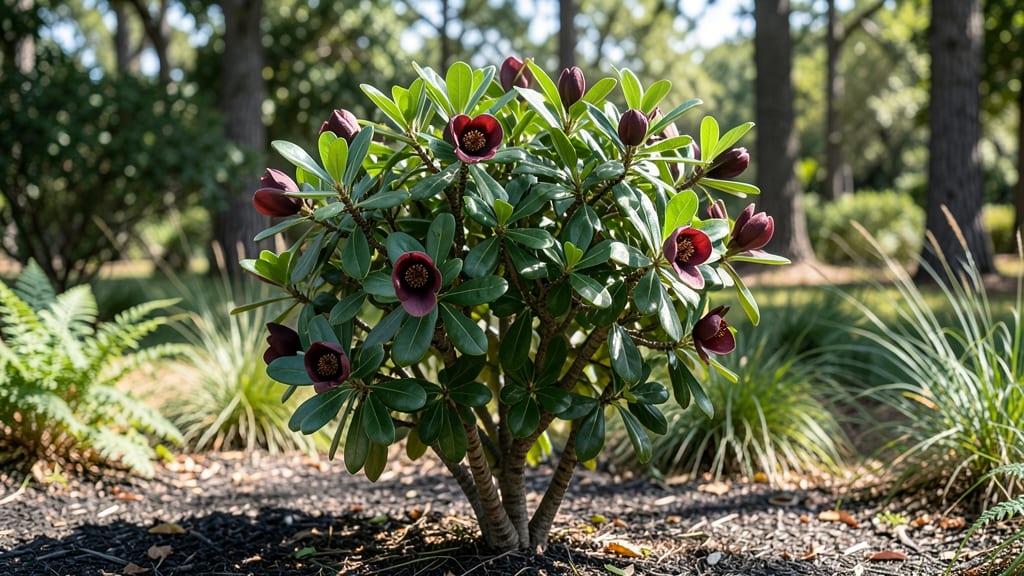
Growing the fragrant Carolina allspice shrub (Calycanthus floridus) means adding a sensory masterpiece to your garden—its spicy-sweet flowers and aromatic foliage create a year-round show. ✨ This native shrub thrives in partial shade, making it perfect for understory planting or woodland gardens where other shrubs might struggle.
The secret to its success lies in moist, well-draining soil and moderate watering—once established, it’s surprisingly drought-tolerant. Plant in early spring or fall, spacing shrubs 6-8 feet apart to allow for their eventual size.
Prune lightly after flowering to maintain shape, and watch as its leathery, evergreen leaves and exotic maroon flowers become the highlight of your landscape.
What makes this shrub truly special is its versatility—its leaves and flowers infuse into syrups, vinegars, and teas, offering a unique Southern flavor profile. The fragrance alone, often described as a mix of spice and fruit, makes it a standout in any garden.
Ideal for USDA Zones 5-9, this shrub adapts well to various climates, from coastal gardens to inland woodlands. Whether you’re drawn to its ornamental beauty or its culinary potential, it’s a must-have for gardeners seeking both form and function.
📚 In This Guide
- What you need
- Instructions
- Tips and common mistakes
- Wrapping up and next steps
What you need
- ● Fresh Carolina allspice berries: ½ cup (about 10–12 berries). Harvest them yourself or find them at specialty grocers or online.
- ● Fresh citrus: 1 orange (peeled and segmented) + 1 lemon (peeled and segmented). Use organic if possible to avoid wax residues.
- ● Raw honey or maple syrup: ½ cup. Adjust sweetness to taste—honey adds floral notes!
- ● Apple cider vinegar: 1 cup. Choose raw, unfiltered for tangy depth.
- ○ Fresh ginger: 1-inch knob, sliced thin. Optional but highly recommended for warmth!
- ● Water: ½ cup (to thin if needed). Only add if the shrub is too thick.
- ● Medium-sized glass jar (16–24 oz) with a lid. Mason jars work perfectly!
- ● Fine-mesh strainer or cheesecloth. For filtering out solids.
- ● Wooden spoon or spatula for stirring.
- ● Small bowl for prep.
- ○ Optional: Immersion blender for smoother texture.
- ● 🌡️ Temperature: Work in a cool kitchen—vinegar + citrus can get warm while mixing!
- ● ✨ Storage: Keep in the fridge for up to 3 months (or ferment longer for deeper flavor!).
- ● 🎯 Flavor boost: Add a pinch of cayenne or black pepper for a spicy kick.
How to grow and harvest Carolina allspice for homemade shrubs
This fragrant native shrub thrives in the Southeast—here's how to cultivate it for vibrant, aromatic leaves perfect for homemade shrubs.
🌱 Step 1: Select the Right Planting Location
Carolina allspice (Calycanthus floridus) loves partial shade to full sun with 6-8 hours of light daily, but it tolerates deeper shade in hot climates. I plant mine where morning sun warms the soil but afternoon shade protects leaves from harsh rays. The shrub's glossy, dark green foliage thrives in well-draining, slightly acidic soil with a pH between 5.0 and 6.5—test your soil before planting.
This shrub spreads slowly but can reach 6-8 feet tall and wide over time, so give it 10-12 feet of clearance from structures or other plants. If space is limited, prune annually to maintain a compact shape. The key is patience—young plants grow 6-12 inches per year, so don’t rush the process.
🪴 Step 2: Plant and Establish the Shrub
Dig a hole twice as wide as the root ball but only as deep—planting too deeply suffocates roots. Loosen the soil around the edges of the root ball before placing it in the hole. Backfill with native soil mixed with 2-3 inches of organic compost (like the 1 bag of compost from your materials) to improve drainage and fertility. Water deeply to settle the soil and remove air pockets.
Keep the soil evenly moist but not soggy for the first 4-6 weeks after planting. You’ll know it’s right when the top inch of soil feels damp but not wet. Mulch around the base with 2-3 inches of shredded bark (like the 1 bag of mulch) to retain moisture and suppress weeds. Avoid piling mulch against the trunk—leave a 2-inch gap to prevent rot.
☀️ Step 3: Maintain Through the Growing Season
Once established, Carolina allspice is drought-tolerant but produces the most aromatic leaves with consistent moisture. Water 1-2 times per week during dry spells, adjusting for rainfall—1 inch of water per week is ideal. You’ll notice the leaves become less fragrant if the soil dries out completely, so monitor closely in summer heat.
Fertilize lightly in early spring with a balanced, slow-release fertilizer (like the 10-10-10 fertilizer) to encourage new growth. Apply only ½ the recommended dose—this shrub prefers lean soil and over-fertilizing leads to weak, less aromatic foliage. Prune in late winter or early spring to shape the plant and remove any dead or crossing branches.
✂️ Step 4: Harvest Leaves for Shrubs
Harvest leaves in late spring to early summer when they’re most fragrant and tender. Use clean, sharp pruning shears to snip individual leaves or small stems—avoid taking more than ⅓ of the plant’s foliage in one season to prevent stress. The leaves have a spicy, anise-like aroma that intensifies when dried or infused in vinegar.
For shrubs, combine 1 cup of fresh leaves with 2 cups of white vinegar (like the 1 bottle of vinegar) in a clean jar. Seal and store in a cool, dark place for 2-4 weeks, shaking occasionally. Strain and bottle for a zesty, aromatic blend perfect for cocktails or marinades. The longer it steeps, the stronger the flavor—taste at 2 weeks to decide when it’s just right.
⏰ Step 5: Overwinter and Prune for Next Year
Carolina allspice is hardy to USDA zones 5-9, but young plants may need light winter protection in colder regions. Mulch heavily (4-6 inches) around the base in late fall to insulate roots. Prune again in late winter to remove any dead wood and shape the shrub for the coming season.
This is also the time to divide or propagate new plants if needed. Simply dig up a section of the root system with attached shoots, replant, and water deeply. The shrub’s slow growth means you won’t need to divide often, but it’s a great way to share with fellow gardeners—or expand your own shrub-making stash.
Tips & tricks for perfect Carolina allspice shrub
These practical insights will help you cultivate vibrant, aromatic Carolina allspice and craft the perfect vinegar blend every time.
Soil Science: Before planting, conduct a soil test to confirm your pH is between 5.0 and 6.5—this shrub's aromatic oils thrive in slightly acidic conditions. If your soil is too alkaline, amend with sulfur or peat moss (about 1 pound per 100 square feet) before planting. I've found that adding a thin layer of pine needles to the soil surface mimics the plant's natural forest floor habitat, enhancing that signature anise-like aroma.
Harvesting Technique: When harvesting leaves for your shrub in Step 4, focus on the younger, tender leaves at the tips of branches—they contain the most volatile aromatic compounds. Use clean, sharp pruning shears to make precise cuts just above a leaf node, which encourages bushier growth. Remember the ⅓ rule: never harvest more than one-third of the foliage in a single season to maintain plant health and future harvests.
Steeping Strategy: The 2-4 week steeping period in Step 4 is where flavor magic happens. For maximum potency, use a glass jar with an airtight seal to prevent oxidation. Place the jar in a dark cupboard (not the fridge) and give it a gentle shake every 2-3 days—this helps break down cellular structures, releasing more aromatic oils. Taste at the 2-week mark: if you want a milder flavor, stop there; for deeper complexity, extend to 4 weeks.
Pro Tips for Carolina Allspice Shrub
- These practical insights will help you cultivate vibrant, aromatic Carolina allspice and craft the perfect vinegar bl...
- Soil Science: Before planting, conduct a soil test to confirm your pH is between 5.0 and 6.5—this shrub's aromatic oi...
- Harvesting Technique: When harvesting leaves for your shrub in Step 4, focus on the younger, tender leaves at the tip...
Frequently asked questions
about the Carolina Allspice Shrub—because every mixologist and home cook deserves clarity!Can I substitute allspice berries if I don’t have them?
Swap allspice berries for 1 tsp ground allspice or ½ tsp cinnamon + ¼ tsp clove for a similar warm, aromatic kick. Just steep the spices in warm water first to extract flavor before mixing with vinegar.
How long does this shrub last in the fridge?
Store your shrub in an airtight jar in the fridge for up to 3 months. The flavors deepen over time—perfect for gifting! If you notice mold or a funky smell, toss it. Pro tip: Label with the date to track freshness!
What’s the best way to use this shrub in cocktails?
Start with ½ oz per drink (adjust to taste). Try it in a gin sour (with lemon juice and egg white) or a whiskey highball. For non-alcoholic drinks, mix 1 oz shrub with 4 oz sparkling water and a splash of lime. Experiment!
Do I need to strain the shrub if I use whole berries?
Yes! Strain out the berries and herbs after 48 hours to avoid bitterness. Use a fine-mesh sieve or cheesecloth. Skip straining if you prefer a rustic texture (like in some modern shrub recipes), but flavors may mellow faster.
Can I use this shrub in savory dishes too?
Oh yes! Drizzle it over grilled meats, roasted veggies, or even as a marinade for chicken. The tangy-sweet balance works surprisingly well in glazes or dressings. Start with 1 tbsp per serving—it’s potent!
What if my shrub turns cloudy or separates?
Cloudiness is normal due to natural pectin in fruit. Gently reheat and stir to blend, or let it sit at room temp for 10 minutes. If it separates permanently, whisk vigorously or blend briefly. No big deal! It’s still safe to use.
Wrapping up and next steps
The Carolina allspice shrub is your ticket to bold, aromatic flavors that elevate everything from cocktails to marinades! 🌿 With its warm, spicy-sweet profile, this shrub is a game-changer for home cooks and mixologists alike.
Now that you’re armed with the perfect recipe and troubleshooting tips, it’s time to experiment—adjust ratios, pair it with your favorite spirits, or gift it to fellow flavor enthusiasts.
Ready to level up your kitchen? Start small—whip up a batch this weekend and let your taste buds lead the way! 🍹✨