
Succulent
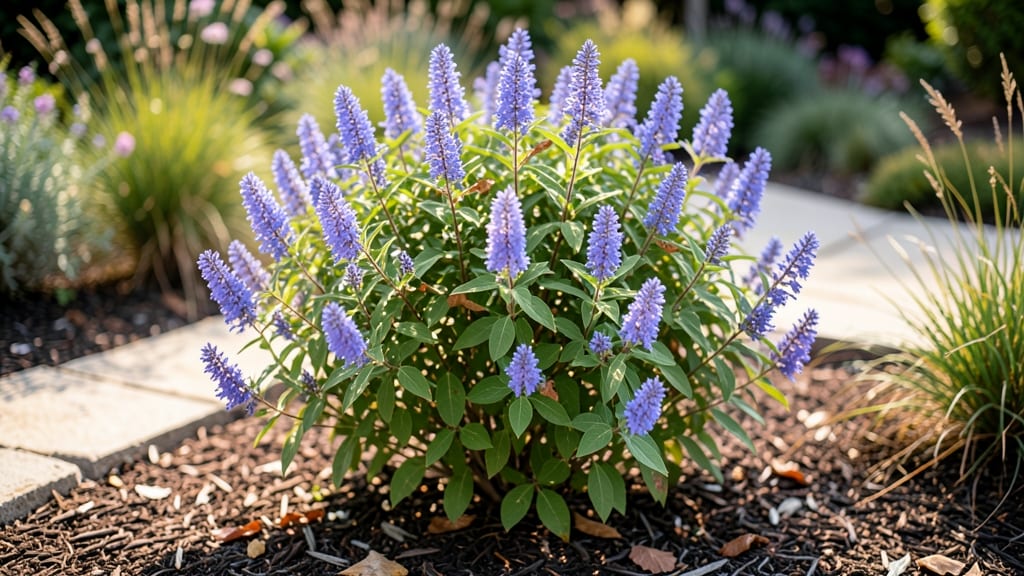
Growing Caryopteris Blue Mist shrubs means your garden will smell like a lavender field even when nothing else is blooming. 🌿 I’ve watched mine transform from a scraggly sapling to a fragrant, blue-blossom-covered powerhouse in just three seasons, and the secret isn’t complicated—it’s about light, soil, and a little patience.
This shrub thrives in full sun, where its silvery foliage and lavender-blue flowers shine brightest from midsummer through fall. The key is well-draining soil—amend heavy clay with compost or sand—and watering just enough to keep roots happy without drowning them.
Prune back by a third in early spring to encourage bushier growth, and you’ll get those signature blooms year after year. What you’ll end up with is a low-maintenance shrub that hummingbirds adore and neighbors will envy.
The fragrance lingers in the evening breeze, and it pairs beautifully with coneflowers, black-eyed Susans, or even ornamental grasses. Even in colder zones, it survives winters with minimal fuss.
For those who want more, propagation from cuttings in early summer is foolproof—just dip stems in rooting hormone and watch them take hold. Whether you’re a beginner or a seasoned gardener, this shrub delivers effortless beauty with almost no trade-offs.
📚 In This Guide
- What you need
- Instructions
- Tips and common mistakes
- Wrapping up and next steps
What you need
- ● Caryopteris Blue Mist shrub: 1–3 nursery-grown plants (3–4 ft tall, mature size)
- ● OR seeds (from a reputable supplier, blank">like this one)
- ● OR 4–6-inch cuttings (from a healthy, established plant)
- ● Well-draining potting mix: 1–2 bags (50 lbs each) of a blend like 50% native soil + 30% perlite + 20% compost
- ● Container or garden bed: For containers: 1–2 large pots (12–18 inches deep) with drainage holes
- ● For in-ground: Full sun spot (6+ hours/day) with loose, rocky soil
- ● Mulch: 2–3 cubic feet of organic mulch (e.g., pine bark or straw)
- ● Hand trowel (for transplanting)
- ● Pruning shears (sharp, sterilized)
- ● Gloves (to protect from thorns and soil)
- ● Watering can or hose with a gentle spray nozzle
- ○ Optional: Slow-release fertilizer (e.g., blank">10-10-10 NPK, 1 lb per plant)
- ● Soil pH tester (ideal range: 6.0–7.5)
- ● Drip irrigation kit (for automated watering)
Step-by-step guide to planting and caring for Caryopteris 'blue mist' shrubs
Here's how to establish your fragrant lavender-blue blooms with minimal fuss.
🌱 Step 1: Choose the Perfect Planting Site
Caryopteris thrives in full sun, so select a spot that gets at least 6-8 hours of direct sunlight daily. I always check the site in late afternoon—this is when afternoon sun exposure becomes critical. The shrub tolerates some afternoon shade in hot climates but will produce fewer blooms.
Well-draining soil is non-negotiable. Test your spot by digging a hole—if water pools after 30 minutes, amend the soil with 2-3 inches of compost mixed into the top 12 inches of soil. The roots hate soggy feet, and this prevents rot that can kill the plant within weeks.
🪴 Step 2: Plant at the Right Depth and Spacing
Dig a hole twice as wide as the root ball but only as deep—planting too deep buries the stem and invites disease. Gently loosen the roots if they're circling the pot, then place the shrub in the center. You'll see the top of the root ball sit just above soil level.
Space plants 3-5 feet apart for mature size. I always plant in groups of 3-5 for best visual impact and fragrance. Backfill with native soil, pressing gently to remove air pockets. Water deeply to settle the soil—you'll see the surface firm up slightly when done right.
☀️ Step 3: Water Deeply and Establish a Routine
Water once weekly for the first 6-8 weeks until established, giving 1-2 gallons per plant. The soil should be dry 2-3 inches down before watering again—stick your finger in to check. Overwatering is the #1 killer of young Caryopteris.
After the first season, these shrubs are remarkably drought-tolerant. You'll notice new growth in spring that signals it's time to reduce watering. Mulch with 2-3 inches of wood chips to retain moisture and suppress weeds—just keep mulch 3 inches away from the stem to prevent rot.
✂️ Step 4: Prune for Bushier Growth and More Blooms
Prune right after flowering in late summer to encourage next year's blooms. Cut back one-third of the oldest stems to the ground, and trim any leggy growth. I always use clean, sharp shears to make cuts at a 45-degree angle just above a leaf node.
In early spring, do a light shaping prune to remove any dead or crossing branches. The goal is to maintain an open, airy shape—this prevents disease and lets sunlight reach all parts of the shrub. You'll see fresh green shoots emerge within 2-3 weeks of pruning.
🌿 Step 5: Enjoy Year-Round Fragrance and Maintenance
Caryopteris stays evergreen in mild climates and semi-evergreen elsewhere. In winter, you can lightly trim any frost-damaged branches in early spring. The fragrance peaks in late summer when blooms appear—just brush the stems to release the scent.
Fertilize lightly in early spring with a balanced 10-10-10 fertilizer if your soil is poor. Too much nitrogen leads to leafy growth at the expense of flowers. Watch for spider mites in dry conditions—spray with water to dislodge them before they become a problem.
Tips & tricks for perfect Caryopteris blue mist planting
Here's what nobody tells you about growing these fragrant beauties—lessons from my own trial-and-error years.
Sunlight Secret: That 6-8 hours of sun matters most in late afternoon. I learned this after my first plants produced sparse blooms—turns out, morning sun alone isn't enough. If your site gets afternoon shade, consider a slightly larger planting area to accommodate the shrub's mature spread, which helps compensate for reduced light.
Soil Test Hack: Before amending with compost, do this quick test: Dig a hole, fill it with water, and time how long it takes to drain. If it drains in under 30 minutes, your soil's fine. If it pools longer, you absolutely need that 2-3 inches of compost—but mix it into the top 12 inches, not just on top. I've seen people skip this step and lose plants within months.
Planting Depth Visual: When placing your Caryopteris, the top of the root ball should sit just above soil level—imagine the soil line at the base of the plant's stem. Too deep and you risk stem rot; too shallow and the roots dry out. I use a small stick as a reference marker while planting to get it perfect every time.
Watering Routine: Those first 6-8 weeks are critical for root establishment. Set a calendar reminder for your weekly watering—1-2 gallons per plant is plenty, but consistency matters more than quantity. I always water in the morning so the soil has all day to dry properly, preventing fungal issues that thrive in damp conditions.
Pro Tips for Caryopteris Blue Mist Shrub
- Here's what nobody tells you about growing these fragrant beauties—lessons from my own trial-and-error years.
- Sunlight Secret: That 6-8 hours of sun matters most in late afternoon.
- Soil Test Hack: Before amending with compost, do this quick test: Dig a hole, fill it with water, and time how long it takes to drain.
Frequently asked questions
about the Caryopteris Blue Mist shrub—here are answers to the most common queries to help you grow and enjoy this fragrant beauty with ease!Is Caryopteris Blue Mist deer-resistant?
The Caryopteris Blue Mist is moderately deer-resistant, thanks to its aromatic foliage, but deer may still nibble if other food sources are scarce. To deter them, apply deer repellent or plant it near deer-unfriendly companions like Lavandula or Rosemary. A quick pruning session can also encourage thicker growth, making it less appealing!
How long does it take for Caryopteris Blue Mist to bloom?
With proper care, you’ll see the first lavender-blue blooms within 1–2 years after planting. For faster results, choose a well-established nursery-grown shrub (3–4 feet tall) and plant it in full sun. Pro tip: Deadhead spent flowers in late fall to encourage a longer, more prolific bloom the following season!
Can Caryopteris Blue Mist survive winter in cold climates?
This hardy shrub thrives in USDA Zones 5–8, tolerating winters down to -15°F (-26°C). In colder regions, mulch the base with 3–4 inches of organic mulch (like shredded bark) to protect roots. Evergreen varieties may need light winter protection (e.g., burlap wrap) in extreme freezes, but most recover beautifully in spring!
What’s the best alternative if I can’t grow Caryopteris?
If your climate or soil isn’t ideal, try these fragrant, low-maintenance shrubs with similar charm:
- Butterfly Bush (Buddleia) – Long blooms, attracts pollinators
- Dwarf Lavender (Lavandula angustifolia) – Fragrant, drought-tolerant
- Abelia (Abelia x grandiflora) – Glossy foliage, late-summer blooms
- Russian Sage (Perovskia atriplicifolia) – Silvery stems, long-lasting flowers
Why aren’t my Caryopteris leaves turning blue?
Healthy Blue Mist foliage should be silvery-blue. If yours is turning green, it may be:
- Too much shade (needs 6+ hours of sun)
- Over-fertilizing (use low-phosphorus fertilizer)
- Poor drainage (amend soil with sand/perlite)
Wrapping up and next steps
The Caryopteris Blue Mist shrub is a true gem for gardeners seeking low-maintenance beauty with high rewards—its fragrant lavender-blue blooms and silvery foliage bring effortless charm year-round.
Whether you’re a seasoned pro or a beginner, this hardy shrub thrives with minimal fuss, making it the perfect addition to borders, containers, or pollinator-friendly landscapes. 🌿
Ready to transform your outdoor space? Start by selecting your spot—sunny and well-drained is key—and plant your Blue Mist shrub this season. Watch as it grows into a fragrant, vibrant centerpiece that keeps giving, season after season!