
Shrubs
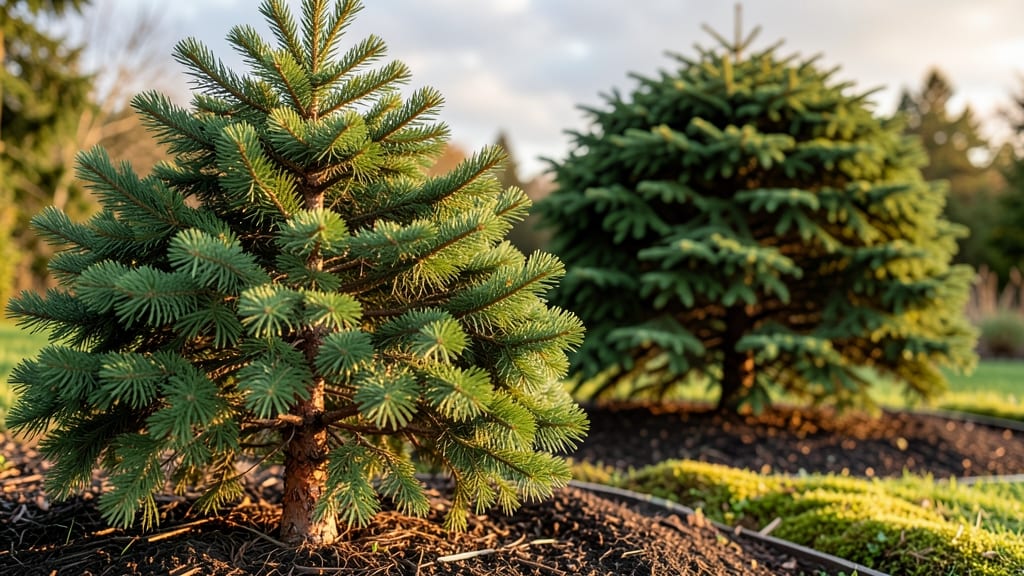
Cedar-type shrubs like Eastern Red Cedar and Juniper varieties create a lush, evergreen privacy screen that stays green all year. 🌲 I planted mine three years ago, and now they form an unbroken wall that blocks both noise and neighbors' views—without needing a fence.
These shrubs thrive in poor soil and full sun, making them perfect for tough spots where other plants struggle. They grow 2-3 feet per year, so you'll have that dense screen faster than with slower-growing options.
The needle-like foliage also resists deer and rabbits, a huge plus if wildlife is an issue in your area. Once established, they need almost no watering—just occasional deep soaks during droughts. Pruning is simple: just shape them in early spring before new growth starts.
The aromatic foliage even repels mosquitoes naturally. Works in zones 3-9, from desert climates to cold northern winters. Here's how to get started with the right spacing and care for maximum impact.
📚 In This Guide
- What you need
- Instructions
- Tips and common mistakes
- Wrapping up and next steps
What you need
- ● Cedar-type shrubs: 3–5 plants per linear foot (e.g., Thuja occidentalis, Chamaecyparis lawsoniana, or Juniperus virginiana)
- ● Choose 1–3 gallon containers for mature plants or whips (bare-root) for faster growth.
- ● Soil amendments: 50 lbs peat moss or compost (for drainage and nutrients)
- ● 20 lbs slow-release fertilizer (10-10-10 or cedar-specific blend)
- ● Tools: Shovel or spade (for digging)
- ● Garden gloves (to protect your hands)
- ● Wheelbarrow (for hauling soil/amendments)
- ● Measuring tape (to plan spacing)
- ● Pruning shears (for trimming)
- ● Mulch: 2–3 inches of pine bark or cedar chips (to retain moisture and suppress weeds).
- ● Drip irrigation system: For consistent watering (especially in hot climates).
- ● Plant stakes or landscape fabric: To mark rows or block weeds early on.
- ● Organic pest control: Neem oil or horticultural soap (if aphids or spider mites are a concern).
How to establish a cedar-type shrub privacy screen in 3 years
Here's the method I've used to create lush, evergreen privacy screens that stay green year-round and fill in faster than expected.
🌱 Step 1: Select and Prepare the Planting Site
Choose a location with 6+ hours of sunlight daily—cedar-type shrubs like arborvitae and thuja thrive in full sun to partial shade. Test your soil's drainage by digging a 12-inch hole and filling it with water; if it drains within an hour, your soil is suitable. If water pools after 2 hours, amend the area with 2-3 inches of compost to improve drainage.
Mark your planting layout with stakes spaced 3-5 feet apart depending on the mature width of your chosen variety. I like to plant in a staggered pattern for a more natural look—this prevents gaps as the shrubs mature. Clear all weeds and grass from the planting area using a 2-inch deep layer of landscape fabric to suppress regrowth.
🪴 Step 2: Plant Shrubs at the Right Depth and Spacing
Dig planting holes twice as wide as the root ball but no deeper. This allows roots to spread freely without settling too low. Gently remove each shrub from its container and loosen any circling roots with your fingers—this encourages outward growth. Place the shrub in the hole so the top of the root ball sits 1-2 inches above soil level; cedar-type shrubs hate having their trunks buried.
Backfill with native soil mixed with 20% compost to improve fertility. Tap the soil gently around the base to remove air pockets, then water deeply until the soil is evenly moist to a depth of 6 inches. Mulch with 2-3 inches of wood chips, keeping the mulch 3 inches away from the trunk to prevent rot.
☀️ Step 3: Water and Fertilize for Rapid Establishment
Water newly planted shrubs twice weekly for the first month, then reduce to once weekly once they show new growth. You'll know they're getting enough water when the soil 1 inch below the surface feels consistently moist but not soggy. Overwatering is the fastest way to kill young shrubs—always check before watering.
Apply a slow-release, balanced fertilizer (10-10-10) at planting time, then again in early spring. Avoid high-nitrogen fertilizers—they promote leafy growth at the expense of root development. Prune only to remove any broken branches during the first year; cedar-type shrubs establish best when left undisturbed.
✂️ Step 4: Prune for Shape and Density in Year 2
Wait until late winter or early spring to prune, when the shrubs are still dormant. Use clean, sharp pruners to remove any dead, diseased, or crossing branches first. Then, shape the shrubs by cutting back 1/3 of the new growth to encourage bushier growth. I like to use a handheld hedge trimmer for even edges, but hand-pruning works just as well for a more natural look.
After pruning, apply a 2-inch layer of mulch around the base (again, keeping it away from the trunk). This helps retain moisture and suppresses weeds. You'll notice new growth within 4-6 weeks—this is your sign that the shrubs are thriving. If you see yellowing leaves, it's usually a sign of overwatering or poor drainage.
🌿 Step 5: Maintain for Full Privacy in Year 3
By the third year, your shrubs should be touching each other if planted 3 feet apart. Continue watering during dry spells, but reduce frequency to every 10-14 days once established. Fertilize again in early spring with a low-nitrogen, slow-release formula to promote steady growth rather than rapid (and often weak) expansion.
Prune lightly in late spring to maintain shape and encourage air circulation. This prevents fungal diseases that thrive in dense, poorly ventilated shrubs. If any gaps appear, fill them by planting new shrubs in the spaces—cedar-type varieties grow quickly and will close the gaps within a season.
Tips & tricks for perfect cedar-type shrub privacy screens
These game-changing strategies will help you create a dense, evergreen privacy screen that thrives year after year.
Soil Preparation Secret: In Step 1, when testing drainage, pour water into your 12-inch hole and time how long it takes to drain completely. If water lingers beyond 2 hours, mix in 2-3 inches of compost and a handful of perlite to create a well-draining yet moisture-retentive blend. I've found that arborvitae and thuja varieties particularly appreciate this airy, organic mix—it mimics their natural forest floor habitat.
Root Ball Technique: When planting in Step 2, don't just drop the shrub into the hole! Gently tease apart the root ball's outer edges with your fingers to encourage roots to spread outward immediately. This simple step can make the difference between a shrub that struggles for years and one that establishes quickly. Place the root ball so its top sits 1-2 inches above soil level—this prevents rot while allowing roots to access moisture.
Watering Wisdom: During the critical first month in Step 3, water deeply twice weekly until the soil 1 inch below the surface feels consistently moist but not soggy. I recommend using a moisture meter or simply sticking your finger into the soil—if it's dry at this depth, it's time to water. Overwatering is the silent killer of young shrubs, so always check before adding more water.
Pruning Precision: In Step 4, when shaping your shrubs, cut back only 1/3 of the new growth—never more than that. This encourages bushier growth by stimulating multiple side shoots. For a more natural look, use clean, sharp pruners and make cuts just above a leaf node. If you notice yellowing leaves after pruning, it's often a sign of overwatering or poor drainage rather than a pruning mistake.
Pro Tips for Cedar Type Shrubs
- These game-changing strategies will help you create a dense, evergreen privacy screen that thrives year after year.
- Soil Preparation Secret: In Step 1, when testing drainage, pour water into your 12-inch hole and time how long it takes to drain completely.
- Root Ball Technique: When planting in Step 2, don't just drop the shrub into the hole!
Frequently asked questions
Got questions about cedar-type shrubs? You’re not alone!
Here are answers to the most common inquiries to help you grow a lush, year-round privacy screen with ease.
What’s the fastest-growing cedar-type shrub for privacy?
If you’re in a hurry, Leyland cypress (a hybrid of Monterey and Nootka cypress) grows 3–4 feet per year under ideal conditions. For a more compact option, Thuja occidentalis ‘Smaragd’ (Green Giant) hits 12–24 inches annually while staying manageable. Just ensure full sun and well-drained soil!
Do cedar-type shrubs need full sun, or can they tolerate shade?
Most thrive in full sun (6+ hours/day), but varieties like Thuja plicata ‘Atrovirens’ (Western Red Cedar) tolerate partial shade (3–6 hours). Avoid deep shade—growth slows, and foliage may become sparse or yellow. Test your spot: If it’s shady for most of the day, opt for shade-tolerant types.
Are cedar-type shrubs cold-hardy? What zones do they prefer?
Yes! Most cedar-type shrubs handle cold well. Thuja occidentalis (Arborvitae) thrives in Zones 2–7, while Chamaecyparis lawsoniana (Lawson Cypress) prefers Zones 4–9. For extreme cold (below -20°F), choose ‘Emerald Green’ or ‘Robinson’s Gold’—they’re tough as nails!
How do I prune cedar-type shrubs to keep them shaped?
Prune in late winter or early spring (before new growth) to avoid stress. Use sharp, clean shears and cut just above a leaf node (the tiny bump where branches grow). For formal shapes, trim 10–15% of growth per year. Pro tip: Avoid “lion tailing” (over-trimming tips)—it weakens the plant!
What pests or diseases should I watch for with cedar-type shrubs?
Common issues include:
- Bagworms: Brown pouches on branches? Handpick or spray with Bt (Bacillus thuringiensis) in early summer.
- Spider mites: Yellowing leaves + webbing = mites. Blast off with water or use neem oil.
- Root rot: Overwatering or poor drainage? Improve soil with sand/compost and reduce watering.
Prevention tip: Mulch with 3–4 inches of pine straw to deter pests and retain moisture.
Wrapping up and next steps
Cedar-type shrubs offer a low-maintenance, fast-growing solution for year-round privacy—perfect for transforming your outdoor space in just three years! 🌲 Their resilience, aromatic appeal, and evergreen foliage make them a top pick for homeowners seeking both beauty and functionality.
Whether you're shielding your backyard from neighbors or adding natural charm to your landscape, these shrubs deliver long-term value with minimal effort.
Ready to get started? Pick your favorite cedar variety, gather your supplies, and plant with confidence! For extra tips, check out our FAQs or explore complementary shrubs to elevate your privacy screen even faster. Your dream backyard is just a few shrubs away! ✨