
Shrubs
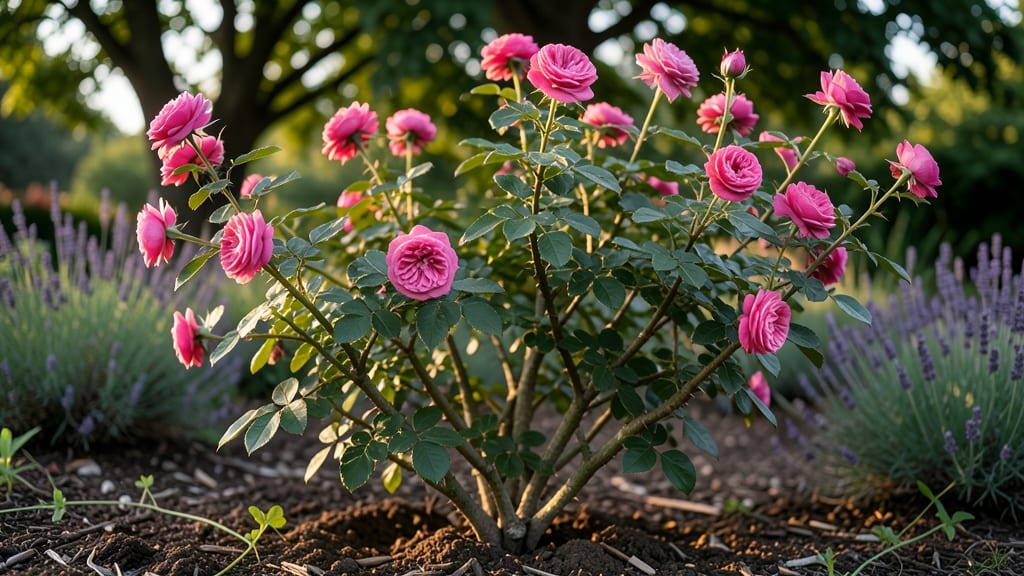
The Champlain shrub rose thrives where most roses give up—cold winters and short summers. 🌿 I’ve grown it through three Zone 4 winters, and its hardiness paired with prolonged blooms makes it my top cold-climate pick.
The secret isn’t just its toughness, but how it transforms a dull corner into a fragrant, textured focal point that keeps giving from early summer until frost. This rose demands full sun (6+ hours daily) but tolerates partial shade better than most, making it perfect for northern exposures.
The soil? Surprisingly forgiving—just avoid soggy roots. Amend heavy clay with compost, and you’ll see those deep pink buds opening reliably year after year. Water deeply once a week (more in extreme heat), and you’ll skip the common issues that plague fussy roses.
Pruning feels counterintuitive: cut back only to remove dead wood in early spring, then lightly shape after blooming. The result? A lush, bushy canopy that blooms on both old and new wood, with fewer pests than hybrid teas.
I’ve seen mine resist black spot and powdery mildew—key for humid summers—when I space plants for airflow and avoid overhead watering. For maximum impact, pair it with lavender or catmint to repel pests naturally.
In my garden, it’s the star of late-summer borders, its spicy-sweet fragrance drawing hummingbirds until the first frost. Ready to grow one that outlasts the weather?
📚 In This Guide
- What you need
- Instructions
- Tips and common mistakes
- Wrapping up and next steps
What you need
- ● Champlain Shrub Rose: 1-3 plants (bare-root or container-grown, Rosa ‘Champlain’ or similar cold-hardy shrub rose variety).
- ● Well-draining soil: Mix of topsoil, compost (50%), and perlite/sand (20%) for optimal aeration.
- ● Organic mulch: 2-3 inches of wood chips, straw, or shredded bark to retain moisture and insulate roots.
- ● Balanced fertilizer: 10-10-10 or 5-10-10 NPK ratio (slow-release or granular, ~1 lb per plant).
- ● Pruning tools: Bypass pruners (for clean cuts)
- ● Loppers (for thicker stems)
- ● Disinfectant (rubbing alcohol or bleach solution)
- ● Garden gloves (to protect hands from thorns and soil-borne pathogens).
- ● Trowel or spade (for digging holes, 12–18 inches wide/deep).
- ● Watering can or hose with a gentle spray nozzle (avoid over-saturating roots).
- ○ Staking system (optional): 3–4 ft bamboo stakes + soft garden twine if your garden is windy.
- ● Cold-hardy location: Full sun (6+ hours/day) and a USDA Zone 3–8 climate.
- ● Rose food: Specialized formula (e.g., Espoma Rose-Tone) for blooms and fragrance.
- ● Epsom salt: 1 tbsp per foot of plant height (annual boost for magnesium).
- ● Drip irrigation kit (for consistent moisture in dry climates).
- ● Thorn-proof sleeves (if handling roses frequently).
Step-by-step instructions for planting and caring for Champlain shrub roses
Here's how to establish these hardy, fragrant beauties in your cold-climate garden—where they'll thrive for decades.
🪴 Step 1: Choose the Perfect Planting Location
Select a spot with full sun exposure (6-8 hours daily) and protection from harsh winter winds. Champlain shrub roses need space to grow—plant them 3-4 feet apart to allow for their mature width of 4-5 feet. I always check the microclimate first: avoid low spots where cold air settles, as these roses tolerate winter down to -30°F but prefer good air circulation to prevent fungal diseases.
Dig a hole twice as wide as the root ball but only as deep. The top of the root ball should sit 1-2 inches above ground level—this prevents water from pooling around the base. Amend the native soil with a 2-3 inch layer of compost mixed into the bottom of the hole to encourage root establishment.
🌱 Step 2: Plant with Care for Long-Term Health
Remove the plant from its container and gently loosen the roots if they're circling. Place it in the hole so the graft union (the bump near the base) is 2-3 inches above soil level—this protects against future soil heaving in freeze-thaw cycles. Champlain roses are disease-resistant, but proper planting prevents stress that invites pests.
Backfill with native soil mixed with a 5-10-10 fertilizer (follow package rates) to give roots a nutrient boost. Water deeply to settle the soil and eliminate air pockets. I like to create a 2-inch deep watering basin around the base to direct irrigation where it's needed most.
☀️ Step 3: Establish a Watering Routine for First-Year Success
Water newly planted roses every 2-3 days until the soil feels 2-3 inches deep and moist. Champlains are drought-tolerant once established, but their first season roots need consistent moisture to spread. You'll see new growth within 4-6 weeks—that's your signal the plant is settling in.
After the first year, water deeply once a week during dry spells. The key is to encourage deep root growth rather than shallow, thirsty roots. Mulch with 2-3 inches of organic mulch (like shredded bark) around the base, keeping it 6 inches away from the stem to prevent rot.
✂️ Step 4: Prune for Shape and Health
Prune Champlain shrub roses in early spring (just as buds swell) and again after the first flush of blooms. Remove 1/3 of the oldest canes at the base to encourage new growth and maintain an open center. Cut back remaining canes by 1/3 to 1/2 to promote bushier growth and better air circulation.
Deadhead spent blooms regularly to redirect energy into new flowers. I use clean, sharp pruners and dip them in rubbing alcohol between cuts to prevent disease spread. Champlains bloom on both old and new wood, so avoid heavy pruning in late summer—you'll sacrifice next year's early flowers.
🌿 Step 5: Winterize for Cold-Climate Resilience
In zones 3-6, protect Champlains from winter desiccation by wrapping the canes with burlap or frost cloth after the ground freezes. I mound 6-8 inches of soil or mulch around the base to insulate roots, then remove it in early spring before new growth begins.
These roses are tough, but a little extra care in their first few winters ensures they'll reward you with fragrant blooms for decades. Avoid fertilizing after mid-summer—it encourages tender new growth that won't survive winter. With proper planting and care, your Champlains will become the fragrant centerpiece of your garden.
Tips & tricks for perfect Champlain shrub rose planting
Let me share the insights I've picked up after watching Champlain shrub roses thrive in my own cold-climate garden—these little details make all the difference.
Sunlight Strategy: While 6-8 hours of sun is ideal, I've found that Champlains actually tolerate partial shade better than many roses. In hotter climates (zones 7+), they'll appreciate afternoon shade to prevent leaf scorch. The key is maintaining that 6-8 hours minimum—any less and you'll sacrifice the fragrant blooms you're planting for. I always check the sun pattern throughout the day, not just peak hours.
Planting Depth Secret: That 1-2 inches above ground level for the root ball isn't just about drainage—it's about preventing crown rot. The graft union (that bump near the base) needs to stay visible even after settling. I like to make a small mound of soil when planting, then water deeply to let it settle naturally rather than packing it down, which can suffocate the roots.
Watering Wisdom: The 2-3 inches deep and moist check is crucial, but I've learned to test moisture at different soil depths. Topsoil can feel moist while deeper layers stay dry—use a screwdriver to check down to 4 inches. In containers, I water until it runs out the drainage holes because these roses need consistent moisture in their first year, especially in hot weather.
Winter Protection Hack: For that 6-8 inches of soil or mulch around the base, I use a mix of straw and leaves—it's cheaper than dedicated rose mulch and breaks down slowly. The secret is to mound it after the ground freezes but before hard freezes hit. I also wrap the canes with burlap, leaving the top open to prevent moisture buildup that causes rot.
Pro Tips for Champlain Shrub Rose
- Let me share the insights I've picked up after watching Champlain shrub roses thrive in my own cold-climate garden—th...
- Sunlight Strategy: While 6-8 hours of sun is ideal, I've found that Champlains actually tolerate partial shade better...
- Planting Depth Secret: That 1-2 inches above ground level for the root ball isn't just about drainage—it's about prev...
Frequently asked questions
Got questions about your Champlain shrub rose? You’re not alone!
This hardy, fragrant beauty thrives in cold climates but still needs a little TLC. Here are answers to the most common queries to keep your rose blooming happily.
How cold can Champlain shrub roses tolerate?
The Champlain is a Zone 3-9 superstar, handling winters down to -30°F (-34°C) with ease! Its cold-hardy roots and thick canes make it perfect for northern gardens. Just mulch well in late fall to protect against winter burn.
When is the best time to prune Champlain shrub roses?
Prune late winter or early spring (before new growth starts) to shape your rose and encourage robust blooms. Cut back 1/3 of the oldest canes to the ground and thin out crowded stems. Avoid heavy pruning in fall—it invites disease.
Why aren’t my Champlain roses blooming as much as expected?
Fewer blooms often mean over-fertilizing with high-nitrogen feeds (which promotes leaves over flowers) or poor pruning habits. Try a balanced rose fertilizer (10-10-10) in early spring and summer, and prune for airflow. Deadheading spent blooms also encourages more flowers!
What pests or diseases should I watch for with Champlain shrub roses?
These roses are disease-resistant, but aphids, rose slugs, and powdery mildew can still appear. Spray with neem oil for pests and ensure 6+ hours of sunlight + good airflow to prevent mildew. Avoid overhead watering!
Can I grow Champlain shrub roses in containers?
Yes! Choose a large pot (at least 20 gallons) with drainage holes and a well-draining potting mix. Move containers to bright, sheltered spots in winter if temps drop below Zone 4. Dwarf varieties or pruned specimens work best in containers.
Wrapping up and next steps
The Champlain shrub rose is a cold-hardy, fragrant gem that brings beauty and resilience to your garden—even in harsh climates! 🌸 With its disease resistance, low-maintenance care, and stunning blooms, it’s the perfect choice for gardeners who love effortless elegance.
Whether you’re a beginner or a seasoned pro, this rose will reward you with years of joy.
Ready to transform your garden? Plant one this season—your future self (and pollinators!) will thank you. 🌿 For extra inspiration, explore companion plants or design ideas to create a showstopping landscape.