
Light Requirements
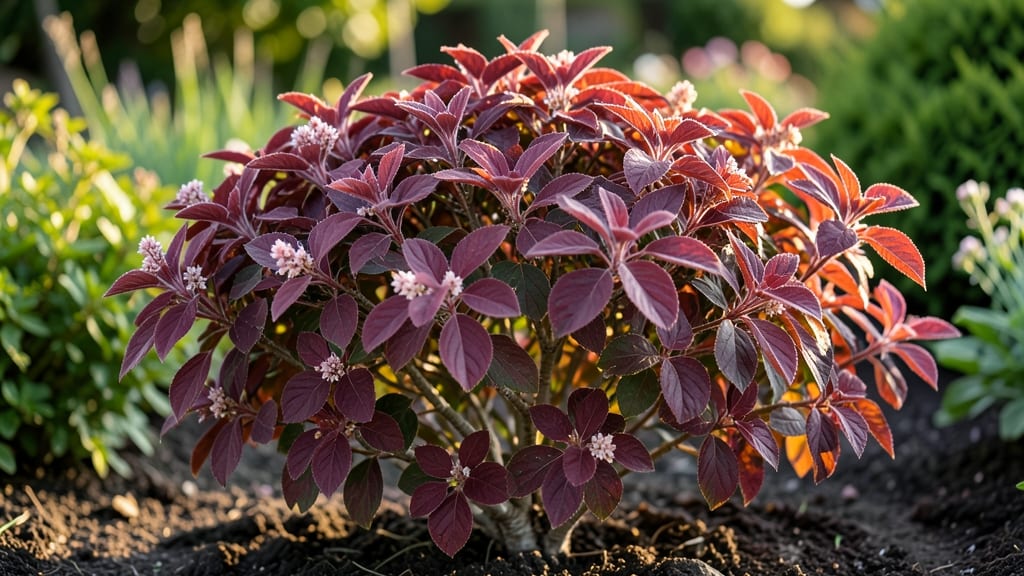
Your Chinese lantern shrub (Physalis alkekengi) could become the fragrant star of your garden, blooming from summer through fall with its delicate paper lanterns.
I’ve grown mine for five years, and the key to that year-round interest starts with the right light—partial shade keeps the foliage lush while preventing scorched blooms in hot afternoons.
The secret isn’t just sunlight—it’s the soil. Amend your garden bed with compost-rich loam (think crumbly, well-draining) and avoid heavy clay. My shrubs thrive in morning sun and afternoon shade, producing hundreds of lanterns by late summer when others fade.
Water consistently but let the top inch dry between soakings—overwatering invites fungal issues like powdery mildew.
By late winter, you’ll notice new growth pushing through, signaling it’s time to prune. Trim back any dead or crossing branches to open the canopy, and harvest the lanterns when they’re fully dry but still vibrant.
Hang them to preserve their papery beauty—my kitchen still smells like honey and spice from last year’s dried collection.
This shrub handles most challenges gracefully, but watch for aphids on new growth and root rot in soggy soil. A weekly spray of neem oil keeps pests at bay, and mulching with straw improves drainage.
Whether you’re growing it for its whimsical blooms, fragrant foliage, or edible berries, it’s a low-maintenance workhorse that rewards patience with months of magic.
📚 In This Guide
- What you need
- Instructions
- Tips and common mistakes
- Wrapping up and next steps
What you need
- ● Chinese Lantern Shrub: 1-3 mature plants (3-4 ft tall) or seeds/cuttings for propagation.
- ● Well-draining soil: Mix 50% native soil with 50% compost or organic matter (e.g., leaf mold or aged manure).
- ● Mulch: 2-3 inches of wood chips or pine straw to retain moisture and suppress weeds.
- ● Fertilizer: Balanced 10-10-10 or slow-release granular fertilizer (1 lb per 100 sq ft).
- ● Garden gloves (1 pair) – Protect your hands from thorns and soil.
- ● Trowel or spade – For digging holes (6-8 inches wide/deep for each plant).
- ● Watering can or hose with a gentle spray nozzle.
- ● Pruning shears – For shaping and maintaining the shrub.
- ● Measuring tape – To space plants 3-5 feet apart (for full growth).
- ● Epsom salt (1 tbsp per plant) – Boosts magnesium for vibrant foliage.
- ● Slow-release plant food (e.g., osmocote) for seasonal feeding.
- ● Drip irrigation system – For consistent moisture in hot climates.
- ● Thorn-proof netting – If planting near high-traffic areas.
Step-by-Step guide to cultivating a thriving Chinese lantern shrub
This fragrant, long-blooming shrub thrives with the right care—here’s how to coax vibrant growth and year-round interest.
Select the Perfect Planting Site
Choose a location with partial shade—morning sun and afternoon shade work best for most climates. Chinese lantern shrubs (Cleiothrymium fortunei) tolerate 4-6 hours of filtered light daily, but direct afternoon sun can scorch tender leaves in hotter regions. I always test the spot by observing nearby plants: if they thrive without leaf burn, it’s a good match.
Ensure the area has well-draining soil—these shrubs hate soggy roots. If your soil is heavy clay, amend it with 2-3 inches of organic matter (like compost or leaf mold) before planting. The ideal soil pH is slightly acidic (5.5-6.5), so a simple soil test kit helps confirm suitability.
Plant at the Right Depth and Spacing
Dig a hole twice as wide as the root ball but only as deep—planting too deep suffocates the stem. Gently loosen the roots if they’re circling and position the shrub so the top of the root ball sits just below soil level. Backfill with native soil, tamping lightly to eliminate air pockets.
Space plants 3-5 feet apart for mature size, allowing airflow to prevent fungal diseases. I like to water deeply before backfilling to settle the soil naturally around roots. Mulch with 2-3 inches of shredded bark or pine needles to retain moisture and suppress weeds—just keep mulch 6 inches away from the stem to avoid rot.
Water Strategically for Root Establishment
Water deeply once a week for the first 6-8 weeks after planting, ensuring moisture reaches 12-18 inches down. You’ll know it’s enough when the soil feels damp but not saturated—like a wrung-out sponge. Overwatering is the fastest way to kill these shrubs, so always check the top 2 inches of soil before watering again.
After establishment, reduce frequency to every 10-14 days unless your region experiences extended dry spells. Drip irrigation or soaker hoses work best—they deliver water slowly at the base, mimicking natural rainfall. Avoid overhead sprinklers, which can promote leaf diseases.
Prune for Shape and Encourage Blooms
Prune late winter or early spring before new growth begins. Remove dead, crossing, or weak branches first, cutting back to the nearest healthy bud. Then shape the shrub by trimming 1/3 of the oldest stems to encourage fresh, vigorous growth from the base.
For year-round blooms, I lightly trim spent flowers throughout the season—this redirects energy to new growth rather than seed production. Never prune more than 25% of the plant in one season, or you’ll risk stunting its flowering potential. Always use clean, sharp pruners to prevent tearing bark.
Feed and Protect for Long-Term Health
Apply a balanced, slow-release fertilizer (10-10-10) in early spring when new growth appears. Use half the recommended dose—these shrubs are light feeders and thrive in lean soil. Water the soil thoroughly after applying to prevent root burn.
Watch for aphids or scale insects, which love the tender new growth. I treat infestations with neem oil spray (mixed per label) and repeat every 7-10 days until pests disappear. For extra protection, apply a 2-inch layer of mulch in fall to insulate roots and deter pests over winter.
Tips & tricks for perfect Chinese lantern shrub cultivation
Let me share the insights I've gathered after years of growing these fragrant beauties—details that make all the difference between a struggling shrub and one that thrives.
Lighting Strategy: The 4-6 hours of filtered light mentioned in Step 1 is crucial, but timing matters just as much. Position your shrub to receive morning sun first—this gradual exposure prevents leaf scorch that often occurs with afternoon heat. I've noticed that in hotter climates, even 2 hours of direct afternoon sun can cause browning on the leaves' edges. If your yard gets intense afternoon sun, consider a 50% shade cloth during peak hours (12-4 PM) until the shrub establishes its root system.
Soil Preparation Insight: When amending heavy clay soil with 2-3 inches of organic matter, don't just mix it in superficially. Dig down at least 12 inches and thoroughly incorporate the compost or leaf mold. I learned this the hard way—surface amendments don't improve drainage enough for these sensitive roots. The goal is to create a loose, crumbly texture that mimics the well-draining conditions these shrubs prefer in their native habitats. A simple soil test before planting can reveal if you need to adjust pH with sulfur or lime.
Watering Technique: That 2-inch soil check before watering in Step 3 is more important than you might think. I've found that sticking your finger 2 inches down gives a more accurate moisture reading than just looking at the surface. The "wrung-out sponge" test works well, but for extra precision, use a moisture meter—these shrubs are particularly sensitive to both underwatering and overwatering. In containers, you'll need to water even more frequently since potted soil dries out faster.
Pruning Precision: When trimming 1/3 of the oldest stems in Step 4, focus on removing stems that are thicker than a pencil—these are the ones that have outlived their productivity. I've seen gardeners accidentally prune too many young stems, which can reduce next year's flowering. Always make cuts just above a leaf bud or lateral branch where you want new growth to emerge. For shaping, use a pair of hand pruners for clean cuts rather than hedge shears, which can crush stems.
Pro Tips for Chinese Lantern Shrub
- Let me share the insights I've gathered after years of growing these fragrant beauties—details that make all the difference between a struggling shrub and one that thrives.
- Lighting Strategy: The 4-6 hours of filtered light mentioned in Step 1 is crucial, but timing matters just as much.
- Soil Preparation Insight: When amending heavy clay soil with 2-3 inches of organic matter, don't just mix it in superficially.
Frequently asked questions
Got questions about growing and caring for your Chinese Lantern Shrub? Here are some of the most common ones—and their answers—to help you keep your plant thriving year-round!
What’s the best light for Chinese Lantern Shrub?
The Physocarpus opulifolius thrives in full sun to partial shade (6+ hours of sunlight daily). For vibrant blooms, prioritize morning sun and afternoon shade in hot climates. Too little light? Expect fewer flowers and leggy growth. Pro tip: If your shrub looks stretched, it’s begging for more sun!
When should I prune my Chinese Lantern Shrub?
Prune right after flowering (late spring/early summer) to shape and encourage new growth. Avoid heavy pruning in fall—it can stunt winter hardiness. For dramatic shaping, do a light trim in late winter before buds swell. Never prune in extreme heat or cold!
Is Chinese Lantern Shrub drought-tolerant?
Once established (2+ years), it’s moderately drought-tolerant but still needs 1 inch of water weekly during dry spells. Mulch heavily to retain moisture, and water deeply during heatwaves. Overwatering? Yellow leaves or root rot may signal trouble. Let the soil dry slightly between waterings.
Can I grow Chinese Lantern Shrub in containers?
Yes! Choose a large pot (18"+ diameter) with drainage holes and use well-draining soil. Containers dry out faster, so water frequently and fertilize monthly in growing seasons. Dwarf varieties like ‘Little Devil’ work best for pots. Winter care: Move indoors or wrap pots to protect roots from freezing.
What pests should I watch for?
Common pests include aphids, spider mites, and scale insects. Check undersides of leaves for sticky residue or webbing. Treat mild infestations with neem oil or insecticidal soap. Severe cases? Prune affected branches and repeat sprays. Prevent pests: Keep shrubs healthy with proper water/light and remove debris.
Wrapping up and next steps
The Chinese Lantern Shrub (also known as Cotoneaster) is a stunning, low-maintenance plant that rewards gardeners with vibrant foliage, striking berries, and year-round interest—all while thriving in diverse light conditions.
Whether you're a beginner or a seasoned gardener, its adaptability makes it a perfect addition to borders, containers, or even as a fragrant hedge. 🌿
Ready to bring its beauty to your space? Start by assessing your garden’s light exposure, then choose the right variety and prepare your planting site. With the right care, you’ll enjoy its show-stopping blooms and berries for seasons to come—so grab your gloves and get growing!