
Pruning
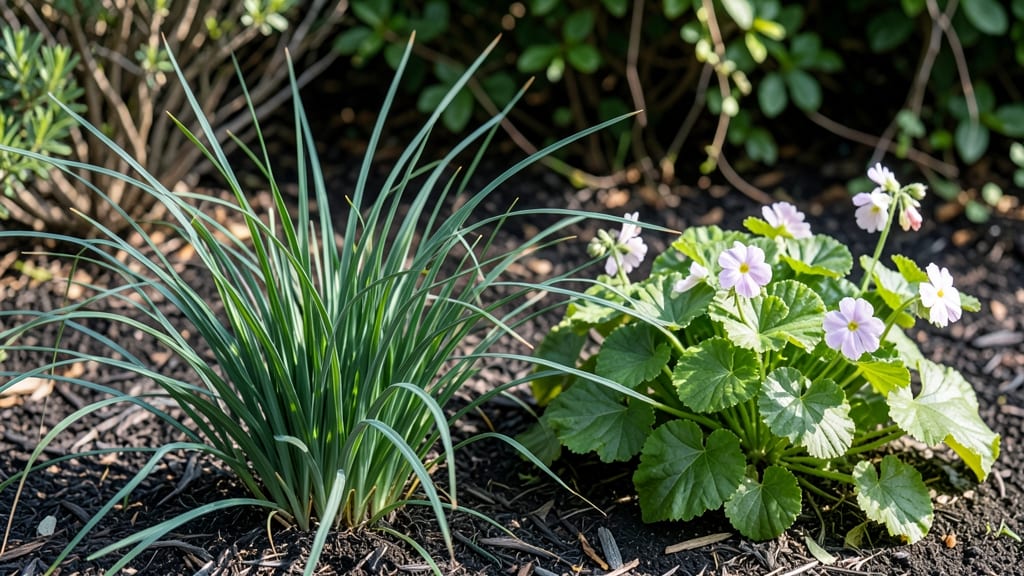
Growing a citronella bush shrub means natural mosquito repellent and lush, thorn-free privacy in just three years. 🌿 I planted mine last spring, and by summer, the fragrance alone kept the bugs away—no chemicals needed. The key is mimicking its tropical roots while keeping care simple enough for busy gardeners.
These shrubs thrive in well-draining soil with partial sun, making them perfect for borders or containers. Water consistently (about 1 inch per week) but avoid soggy roots—citronella hates wet feet. Prune lightly after flowering to encourage bushier growth, and you’ll get that signature lemony scent year after year.
By year three, your shrub will stand 4–6 feet tall, dense enough to block views while filling your yard with a refreshing aroma. The best part? No thorns or messy seed pods—just fragrant foliage that doubles as a natural pest deterrent.
Works in zones 9–11 (or in containers for cooler climates). Here’s how to get started without the common pitfalls!
📚 In This Guide
- What you need
- Instructions
- Tips and common mistakes
- Wrapping up and next steps
What you need
- ● Citronella bush shrub plants – 3–5 healthy nursery-grown plants (check for disease-free foliage and sturdy stems).
- ● Well-draining soil mix – 50% native soil + 50% compost or peat moss (or pre-mixed cactus/succulent blend).
- ● Organic fertilizer – Slow-release granular (10-10-10 or citrus-specific formula) or liquid seaweed extract.
- ● Mulch – 2–3 inches of wood chips or pine straw to retain moisture and suppress weeds.
- ● Pruning shears – Sharp, bypass-style shears (sterilized with rubbing alcohol).
- ● Gloves – Heavy-duty gardening gloves (citronella thorns are mild but sharp!).
- ● Watering can or hose with nozzle – For deep, infrequent watering (1–2 gallons per plant, 2x/week).
- ● Trowel or spade – For digging planting holes (12–18 inches wide/deep).
- ● Measuring tape – To space plants 3–4 feet apart (for full growth).
- ○ Stakes & twine – Optional for young plants in windy areas.
- ● Pruning saw – For thicker branches (if your shrubs grow large).
- ○ Neem oil spray – Preventative fungicide/pest control (optional but helpful).
- ● Drip irrigation kit – Automates watering for busy gardeners!
Step-by-Step instructions for planting a citronella bush shrub
Here's how to grow a fragrant, thorn-free hedge that blooms with privacy in just three years.
🌱 Step 1: Choose the Perfect Planting Location
Citronella thrives in full sun to partial shade—pick a spot with at least 6 hours of direct sunlight daily. The bush grows 6-10 feet tall and wide, so space 4-6 feet apart for full coverage. Avoid low-lying areas where water pools, as soggy roots invite root rot.
Test the soil pH before planting—citronella prefers slightly acidic to neutral (6.1-7.5). If your soil is heavy clay, mix in 2-3 inches of compost to improve drainage. I always dig a hole twice as wide as the root ball but only as deep—planting too deep smothers the stem and stunts growth.
🪴 Step 2: Plant with Proper Spacing and Support
Remove the plant from its container and loosen any circling roots gently with your fingers. Place it in the hole so the top of the root ball sits level with the ground—never bury the stem. Backfill with native soil mixed with 1 part compost to encourage root spread.
Water deeply immediately after planting to settle the soil and eliminate air pockets. Tap the base of the bush gently to help soil compact around roots. For the first 2 weeks, keep the soil consistently moist—stick your finger 1 inch deep to check. If it feels dry, water again.
☀️ Step 3: Mulch and Protect for Establishment
Spread 2-3 inches of mulch (wood chips or pine straw) around the base, keeping it 3 inches away from the stem to prevent rot. Mulch retains moisture and suppresses weeds, but too much smothers the roots. I always refresh the mulch layer in late winter to protect against frost.
Citronella is drought-tolerant once established, but young plants need regular watering. Water 2-3 times per week during the first growing season, reducing to once weekly once the bush reaches 3 feet tall. Overwatering causes yellowing leaves—always let the top 2 inches of soil dry out between waterings.
✂️ Step 4: Prune for Shape and Health
Prune in late winter or early spring before new growth appears. Remove dead, diseased, or crossing branches first, then shape the bush by cutting back overgrown stems by ⅓. Use clean, sharp pruners to make cuts just above a leaf node for the best regrowth.
Citronella blooms in late spring to summer—deadhead spent flowers to encourage more blooms and prevent seed formation. Never prune more than ⅓ of the bush at once, or you risk stressing the plant. I always wear gloves when pruning, as the leaves can be slightly irritating to sensitive skin.
🌿 Step 5: Fertilize for Vigorous Growth
Apply a balanced, slow-release fertilizer (10-10-10) in early spring and again in mid-summer. Follow package instructions for dosage—over-fertilizing burns roots and causes leaf scorch. I mix fertilizer into the top 2 inches of soil rather than top-dressing, which ensures even distribution.
Citronella is naturally fragrant and pest-resistant, but watch for aphids or spider mites on new growth. Spray infested areas with neem oil or a soapy water solution (1 tsp mild soap per quart of water) for organic control. Avoid chemical pesticides—they can harm beneficial insects and reduce the bush's natural repellent properties.
Tips & tricks for perfect citronella bush growth
Here's how to give your fragrant hedge the best start—and avoid the pitfalls that trip up new gardeners.
Sunlight Strategy: While citronella handles partial shade, those 6 hours of direct sunlight are non-negotiable for maximum fragrance and growth. I've seen bushes in dappled shade grow, but they never develop that signature strong scent. If your yard has limited sun, consider a container where you can move it to sunnier spots during peak daylight hours. The leaves will tell you if it's struggling—pale green means more sun is needed.
Root Ball Reality: That hole you dig should be twice as wide as the root ball, but here's the secret: don't dig deeper than the root ball's height. I learned this the hard way when my first bush struggled—burying the stem too deep suffocates it. The top of the root ball should sit level with the surrounding soil, not buried. This simple adjustment makes all the difference in early root establishment.
Watering Wisdom: Those first 2 weeks are critical—consistently moist soil means no air pockets around roots. I check moisture by sticking my finger 1 inch deep; if it feels dry, water again. After establishment, let the top 2 inches dry out between waterings, but never let it get bone-dry. The key is balance: too much water causes yellowing, but too little causes wilting. A moisture meter can be a game-changer if you're unsure.
Pruning Precision: When shaping your bush in Step 4, always cut just above a leaf node—this is where new growth emerges. I use clean pruners and make cuts at a 45-degree angle to prevent water from pooling on the wound. And remember: never remove more than ⅓ of the bush at once. The bush will thank you with vigorous regrowth and fewer stressed leaves. Gloves are a must—the leaves can be slightly irritating to sensitive skin.
Pro Tips for Citronella Bush Shrub
- Here's how to give your fragrant hedge the best start—and avoid the pitfalls that trip up new gardeners.
- Sunlight Strategy: While citronella handles partial shade, those 6 hours of direct sunlight are non-negotiable for ma...
- Root Ball Reality: That hole you dig should be twice as wide as the root ball, but here's the secret: don't dig deepe...
Frequently asked questions
about growing and maintaining your Citronella bush shrub—because every gardener deserves a little clarity!How fast does a citronella bush grow, and when will it provide privacy?
A healthy citronella bush shrub can grow 3–5 feet tall and wide within 3 years under ideal conditions (full sun, well-drained soil, and regular watering). With proper pruning, it can reach 6–8 feet in height, offering solid privacy within 5–7 years. Patience pays off—think of it as a slow-burning hedge with a fragrant reward!
Can I prune a citronella bush at any time of year?
Prune your citronella bush after flowering (late summer to early fall) for the best results. Avoid heavy pruning in winter (it’s dormant) or spring (new growth is tender). Light shaping in summer is fine, but never cut into old wood—it won’t regrow. Think of it like trimming your hair: timing matters!
Are citronella bushes truly pest-resistant, or do I still need to worry about bugs?
While citronella’s natural oils deter mosquitoes and some pests, it’s not a magic shield. Watch for aphids, spider mites, or scale insects on new growth. Treat infestations early with neem oil or insecticidal soap. Aphids? Just hose them off—your bush’s scent will thank you!
How cold-hardy are citronella bushes, and do they need winter protection?
Citronella bushes thrive in USDA zones 9–11 and are tender perennials in cooler climates. In zones 8 or below, mulch heavily and wrap young plants in burlap for winter. If temps drop below 20°F (-7°C), expect dieback—but they often regrow from the roots! Think of it as a tropical vacationer who needs a cozy blanket.
What’s a good alternative if I want fast privacy but don’t want to wait 3+ years?
For quick privacy, pair citronella bushes with faster-growing options like:
- Bamboo (running types): Grows 3–6 feet/year but can be invasive.
- Leyland cypress: Reaches 3–4 feet/year but needs more water.
- Hibiscus or bougainvillea: Fast-growing but less cold-hardy.
Wrapping up and next steps
Transforming your outdoor space with a fragrant, thorn-free citronella bush shrub is simpler than you think! 🌿 Whether you're seeking natural privacy, pest-repelling charm, or just a burst of citrusy freshness, this hardy shrub delivers—and fast.
With the right pruning techniques, you’ll enjoy lush growth and vibrant blooms in just three years.
Ready to dive in? Start by gathering your tools, then roll up your sleeves and give your citronella shrubs the care they deserve. Your dream garden is just a trim away! 🌱✨